
Best Time to Visit Iceland: A Month-by-Month Guide
When is the best time to visit Iceland? The answer depends on what you want to experience. June, July and August are ideal for long days, hiking and exploring the Highlands. September to March offers darker skies for Northern Lights, winter landscapes and ice cave adventures. Spring and autumn can be excellent choices if you want to experience Iceland with fewer visitors and a different atmosphere.
There is no single perfect month for everyone. Iceland changes dramatically throughout the year, from nearly endless summer daylight to long winter nights. Weather, road conditions, wildlife and available activities also vary depending on the season.
In this guide, we will explore the best time to visit Iceland month by month, explain what each season offers and help you choose the right dates for your trip. We will also share some local insights about South Iceland and the area around Vík, one of the best places to explore the country’s volcanic landscapes and glaciers.
When Is the Best Time to Visit Iceland?
The best time to visit Iceland depends on your priorities:
- For hiking, road trips and the Highlands: June to August.
- For the Northern Lights: September to March, when nights are dark enough.
- For ice caves and winter scenery: November to March, depending on conditions and tour availability.
- For puffin watching: May to August, with seasonal variations.
- For fewer visitors and changing landscapes: April, May, September and October can be good options.
- For long daylight hours: June and July.
Summer is generally the easiest season for exploring Iceland independently, especially if you want to drive long distances and visit remote areas. Winter offers a completely different experience, with snowy landscapes, ice caves and opportunities to see the aurora.
However, Iceland’s weather can change quickly at any time of year. The Icelandic Meteorological Office describes the climate as changeable and often windy, particularly in the south and west. Even during summer, temperatures can feel cool, and rain is always possible.
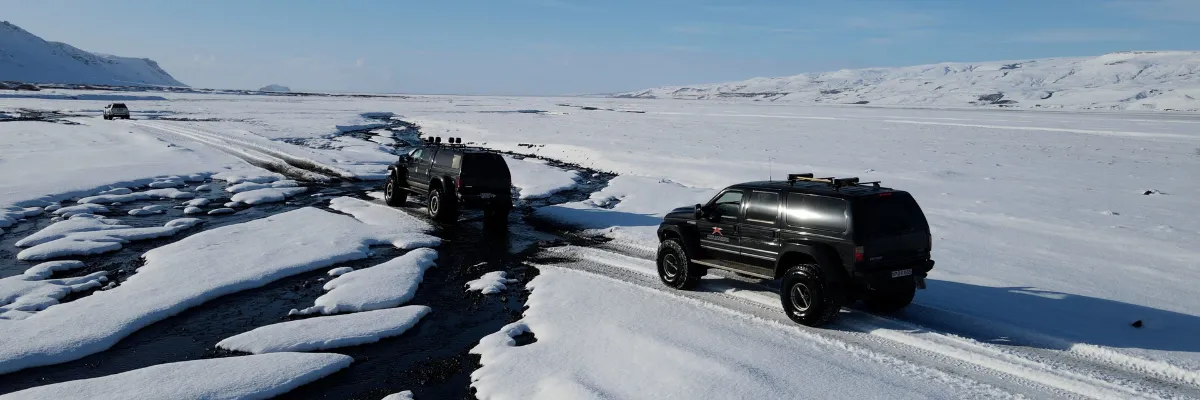
Iceland’s Seasons at a Glance
Before looking at each month, it helps to understand the main differences between Iceland’s seasons.
Summer: June, July and August
Summer is the most popular time to visit Iceland. Days are exceptionally long, temperatures are generally milder and many remote roads and hiking trails become accessible.
This is the best season for exploring the Highlands, hiking, camping, wildlife watching and taking longer road trips. It is also a great time to discover places such as Þakgil, Mælifell and Þórsmörk.
The main disadvantage is that popular attractions can be busy, and accommodation and rental cars may be more expensive during peak travel periods.
Autumn: September and October
Autumn brings shorter days, changing colours and the return of darker nights. It is also when the Northern Lights season begins to become more accessible.
September can be particularly attractive because many summer activities are still available, although seasonal conditions begin to change. October feels more like the beginning of winter, with colder temperatures, stronger winds and an increasing chance of snow.
Winter: November, December, January and February
Winter transforms Iceland into a landscape of snow, ice and dramatic contrasts. It is the main season for ice cave adventures and one of the best periods to look for the Northern Lights.
The days are short, especially in December and January, so planning becomes more important. Weather and road conditions can also affect travel plans, making flexibility essential.
Spring: March, April and May
Spring is a transition period. Snow gradually begins to retreat, daylight increases quickly and nature starts to come back to life.
March still offers many winter experiences, including ice caves and Northern Lights opportunities. By May, the days are much longer, migratory birds begin arriving and the landscape starts changing towards summer.
Best Time to Visit Iceland Month by Month
Every month offers something different. Here is what you can expect throughout the year.
January: Winter Landscapes and Northern Lights
January is one of Iceland’s darkest months, with only a few hours of daylight each day. This creates long evenings for Northern Lights hunting, while snow and ice give the landscape a completely different appearance.
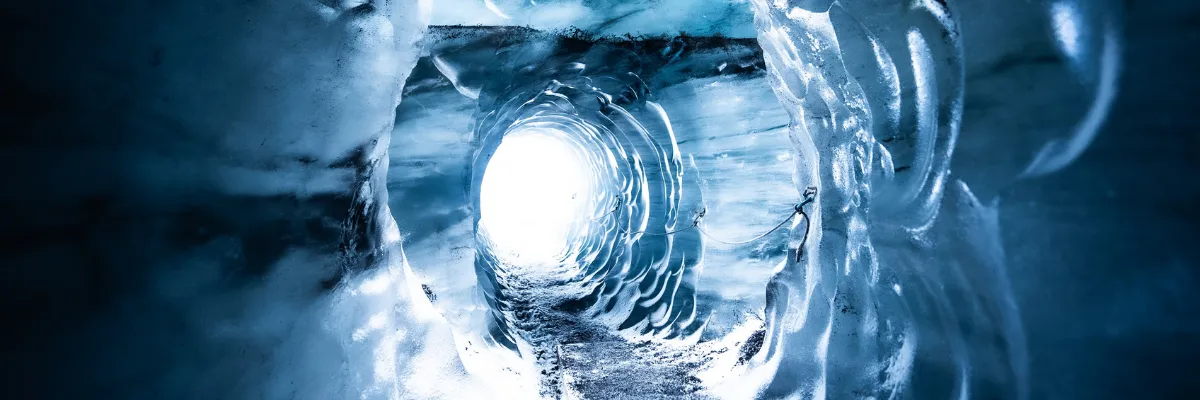
It is a good month for winter adventures, including guided glacier hikes and ice cave visits. The Katla Ice Cave, near Vík, is a particularly interesting option because it can be visited throughout the year with a qualified guide.
However, winter storms, strong winds and icy roads can affect travel plans. If you visit in January, avoid creating an itinerary that depends on reaching several distant destinations every day. We recommend you to check official websites to check the road and weather conditions before start your day with the car.
Best for: Northern Lights, ice caves, winter photography and glacier experiences.
February: A Little More Daylight, Still Plenty of Winter
February combines winter scenery with gradually increasing daylight. There is more time to explore during the day than in January, while nights remain long enough for Northern Lights opportunities.
It is also a good month for visiting South Iceland’s waterfalls, glaciers and black sand beaches. Snow-covered landscapes can create beautiful contrasts with the dark volcanic coastline.
Conditions can still be challenging, so check weather forecasts and road information before setting out.
Best for: Ice caves, Northern Lights, glacier hikes and winter landscapes.
March: Winter Adventures and Longer Days
March is an interesting month for travellers who want winter experiences without the shortest days of the year.
There is considerably more daylight than in midwinter, allowing more time for sightseeing. At the same time, winter conditions can still make ice cave tours and glacier adventures possible.
In South Iceland, you can combine visits to waterfalls and black sand beaches with guided activities around Mýrdalsjökull glacier.
The Northern Lights may also be visible on clear, dark nights, although sightings are never guaranteed.
Best for: Ice caves, glacier activities, Northern Lights and winter road trips.
April: The Transition into Spring
April is a changing month in Iceland. Snow begins to disappear in some lowland areas, daylight increases rapidly and the first signs of spring become more noticeable.
However, winter conditions can still occur, particularly in the mountains and inland areas. Some seasonal summer roads and activities may not yet be available.
April can be a good option if you prefer a quieter travel experience and want to combine winter scenery with longer days.
The Northern Lights are still possible early in the month, although the increasingly bright evenings make sightings less likely as spring progresses.
Best for: Waterfalls, scenic road trips, quieter attractions and early spring landscapes.
May: Longer Days and the Arrival of Summer
May is one of the most interesting months for visiting Iceland if you want to experience the transition into summer.
The days become much longer, temperatures gradually rise and many outdoor activities resume or become more accessible. Puffins also begin returning to Iceland’s coastal nesting areas, generally arriving in late April or early May.
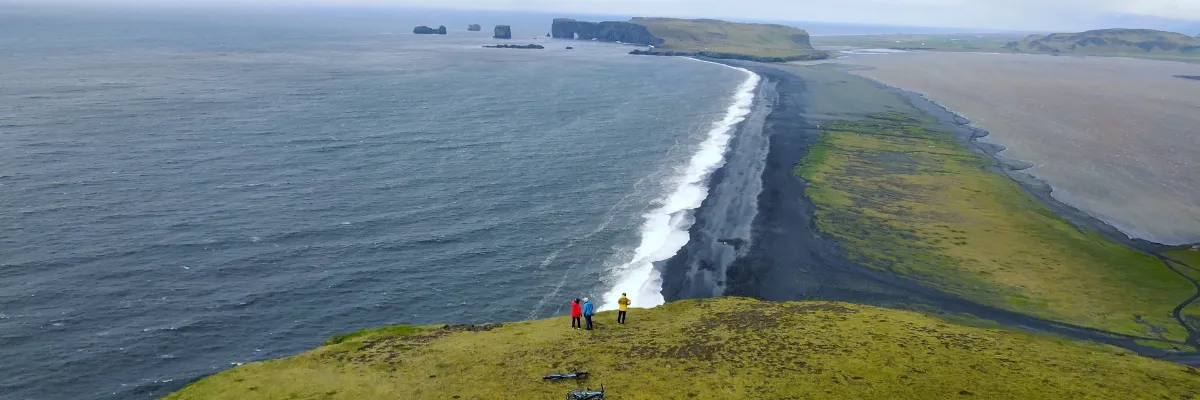
In South Iceland, the cliffs around Dyrhólaey are among the places where visitors may be able to observe these seabirds during the nesting season, subject to access restrictions and wildlife conditions.
May is also a good time to explore Vík and its surroundings. You can visit black sand beaches, waterfalls and scenic viewpoints without necessarily travelling during the busiest summer period.
Keep in mind that the Highlands and their mountain roads may still be inaccessible.
Best for: Puffin watching, waterfalls, road trips, sightseeing and longer daylight hours.
June: The Midnight Sun and Outdoor Adventures
June marks the beginning of summer and brings some of the longest days of the year.
Around the summer solstice, Iceland experiences almost continuous daylight. In Reykjavík, daylight lasts approximately 20 to 21 hours in June, while northern areas experience even longer periods of light.
This gives visitors plenty of time to explore, hike and photograph Iceland’s landscapes. It is also the beginning of the main season for visiting the Highlands, although individual mountain roads open at different times depending on snow and conditions.
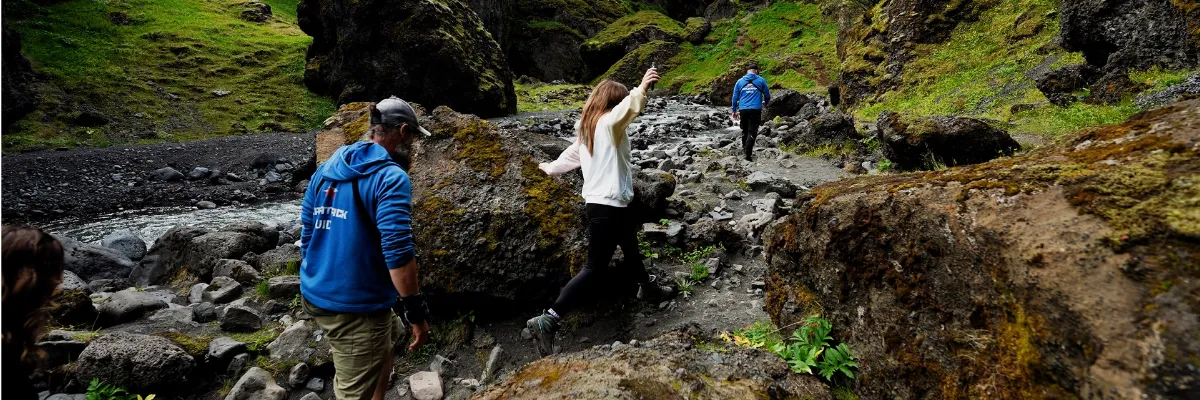
In South Iceland, June is a great month for exploring places such as Þakgil, Mælifell and Þórsmörk.
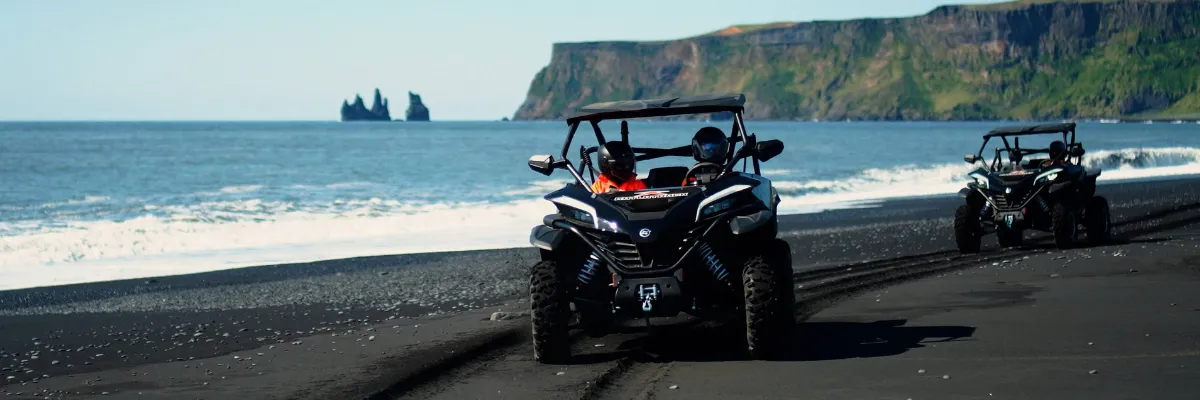
Adventure activities also become more accessible. At Katlatrack, summer visitors can explore the landscapes around Vík on buggy tours, discover remote areas in a Super Jeep or enjoy an electric mountain bike adventure.
One important detail: the Northern Lights are not realistically visible during the brightest summer months because the sky does not become dark enough.
Best for: Hiking, the Midnight Sun, Highlands, wildlife and outdoor adventures.
July: The Best Month for Exploring the Highlands
July is generally one of the warmest months in Iceland and is a favourite for travellers planning longer road trips.
Most accessible Highland routes that open during summer are usually available by this point, although road conditions and opening dates vary each year.
This is an excellent time to visit Þórsmörk, Landmannalaugar and other remote destinations. Hiking trails are generally more accessible, and the long days make it easier to explore without rushing.
Around Vík, July is a great month for discovering the green landscapes of Þakgil and the volcanic scenery surrounding Mælifell.
Puffins are also still present in many coastal nesting areas, although their exact departure dates vary.
The main disadvantage is that July is part of the peak tourist season. Popular attractions can be busy, so booking accommodation, rental cars and guided activities in advance is recommended.
Best for: Highlands, hiking, road trips, puffins and summer adventures.
August: Summer Adventures and the First Darker Nights
August is still a summer month, but the days gradually become shorter as the month progresses.
Outdoor activities remain widely available, and it is still a good time for hiking, visiting the Highlands and exploring remote landscapes.
For visitors interested in the Northern Lights, late August can bring the first opportunities of the season when darkness returns. However, sightings depend on solar activity, cloud cover and sufficiently dark skies.
In South Iceland, August is an excellent month for combining sightseeing with adventure activities. You can explore the black sand beaches around Vík, visit waterfalls and discover the volcanic landscapes around Katla volcano.
Best for: Hiking, Highlands, summer road trips, wildlife and the first Northern Lights opportunities towards the end of the month.
September: Autumn Colours and Northern Lights
September is one of the most appealing months for travellers who want a balance between summer and winter experiences.
The days are still long enough for sightseeing, but nights become dark enough for Northern Lights opportunities. Autumn colours begin appearing across the landscape, creating beautiful contrasts with glaciers, mountains and volcanic terrain.
In South Iceland, September is a particularly interesting month to explore Vík and its surroundings. You may still be able to enjoy some summer activities, depending on weather and seasonal schedules.
It is also a good month for exploring the area around Katla, including guided Super Jeep adventures and visits to the Katla Ice Cave.
However, the weather becomes less predictable, and some Highland roads may begin closing as autumn progresses.
Best for: Northern Lights, autumn landscapes, road trips, ice caves and fewer summer crowds.
October: The Beginning of the Winter Season
October brings shorter days, colder temperatures and a greater chance of winter weather.
It is a good month for travellers interested in the Northern Lights, although clear skies are always necessary. It is also a transitional period for adventure activities, with some summer tours ending and winter experiences becoming more prominent.
Around Vík, you can visit the Katla Ice Cave, explore black sand beaches and discover the dramatic scenery of the South Coast.
If you are planning to drive around Iceland in October, allow extra time and be prepared to change your plans if weather conditions deteriorate.
Best for: Northern Lights, ice caves, waterfalls, dramatic coastal scenery and autumn road trips.
November: Ice Caves and Dark Winter Nights
November feels like winter in much of Iceland. Days are short, temperatures are colder and storms can affect travel conditions.
However, it is an exciting month for visitors interested in winter adventures.
Ice caves and glaciers become particularly attractive, while the long nights create more opportunities to see the Northern Lights.
The Katla Ice Cave near Vík is a year-round experience, making it a great option for travellers exploring South Iceland in November. A guided Super Jeep journey takes visitors towards the glacier, where they can discover the remarkable colours and formations of the ice.
As always, glacier environments and ice caves require specialist knowledge and appropriate equipment. Never enter an ice cave or glacier area independently.
Best for: Ice caves, Northern Lights, glacier experiences and winter photography.
December: Christmas Atmosphere and the Longest Nights
December is one of the darkest months in Iceland, with only a few hours of daylight around the winter solstice.
The short days make it important to plan sightseeing carefully, but they also create a special winter atmosphere. Towns and villages are decorated for Christmas, and Reykjavík becomes particularly festive.
December is also a good month for Northern Lights opportunities and guided winter adventures, including visits to ice caves.
If you are visiting South Iceland, Vík makes a convenient base for exploring the surrounding landscapes. You can discover black sand beaches, waterfalls and the Katla Ice Cave, depending on weather and access conditions.
Remember that Christmas and New Year are popular holiday periods. Check opening hours and book accommodation and activities ahead of time.
Best for: Christmas celebrations, Northern Lights, ice caves and winter landscapes.
What Is the Best Month to Visit Iceland for Different Experiences?
If you already know what you want to see, choosing your travel dates becomes much easier.
|
Experience |
Best months |
|
Northern Lights |
September to March |
|
Midnight Sun |
June and early July |
|
Hiking and Highlands |
June to August |
|
Puffin watching |
May to August |
|
Ice caves |
Winter is a popular period; availability depends on the cave and conditions |
|
Glacier hiking |
Available in different seasons, depending on the glacier and tour |
|
Road trips |
May to September for generally easier conditions |
|
Autumn landscapes |
September and October |
|
Christmas atmosphere |
December |
These are general seasonal recommendations, not guarantees. Wildlife, road access and outdoor activities depend on natural conditions and may vary from year to year.
Is Summer or Winter Better for Visiting Iceland?
This is one of the most common questions travellers ask when planning their trip.
The truth is that summer and winter offer very different experiences.
Choose summer if you want:
- Long daylight hours and flexible sightseeing.
- Easier access to many roads and hiking trails.
- Opportunities to explore the Highlands.
- Puffin watching and other seasonal wildlife experiences.
- Green landscapes and outdoor adventures.
Choose winter if you want:
- Dark skies and opportunities to see the Northern Lights.
- Snow-covered landscapes and winter scenery.
- Ice cave adventures.
- A different atmosphere at waterfalls, glaciers and black sand beaches.
- Cosy evenings and Icelandic Christmas traditions.
If you have enough time, visiting Iceland in both seasons can be an excellent way to experience just how dramatically the country changes throughout the year.
When Is the Best Time to Visit South Iceland and Vík?
South Iceland is worth visiting throughout the year, but the experiences available around Vík change with the seasons.
During summer, the region is ideal for exploring remote landscapes, hiking and taking adventure tours. You can visit Þakgil, discover the volcanic scenery around Mælifell or explore the valleys of Þórsmörk.
Winter offers a different perspective. The glaciers and black sand landscapes become even more dramatic, and the longer nights create opportunities to see the Northern Lights.
One of the most distinctive experiences near Vík is the Katla Ice Cave. Unlike some seasonal attractions, it can be visited throughout the year on a guided tour, subject to weather and safety conditions.
At Katlatrack, our local guides have been exploring the landscapes around Katla since 2009. We offer different ways to discover the region, including Super Jeep adventures, buggy tours, electric mountain bike experiences and glacier activities.
Some tours operate seasonally, while others are available throughout the year. Weather and local conditions can also affect daily operations.
If you are visiting Vík, choosing the right activity for the season can make a big difference to your experience.
What Should You Consider Before Choosing Your Travel Dates?
Before booking your flights, think about more than just the season.
Daylight Hours
Daylight changes dramatically throughout the year. In summer, you can enjoy long days and flexible sightseeing schedules. In winter, you will need to plan your driving and outdoor activities around shorter daylight hours.
Weather and Road Conditions
Iceland’s weather is unpredictable, even in summer. Strong winds, rain, snow and sudden changes in conditions can affect travel plans.
Always check the Icelandic Meteorological Office forecasts and official road conditions before driving. If you are travelling in winter, allow extra time and avoid tight itineraries.
Your Budget
Summer is generally the busiest travel season, which can make accommodation and rental cars more expensive. Spring and autumn may offer more flexibility, although prices vary depending on dates, availability and demand.
Booking important parts of your trip in advance is a good idea, particularly if you are travelling during popular holiday periods.
Your Preferred Activities
Some experiences are seasonal. The Highlands are generally a summer destination, while winter is particularly popular for ice cave adventures and Northern Lights hunting.
Check the availability of the activities you most want to experience before deciding on your travel dates.
Frequently Asked Questions About the Best Time to Visit Iceland
What is the best month to visit Iceland for the first time?
June, July and August are excellent choices for a first visit because of the long daylight hours, generally milder weather and wider access to roads and outdoor activities. September is another good option if you want darker nights and the possibility of seeing the Northern Lights.
Can you see the Northern Lights in Iceland in summer?
The Northern Lights are generally not visible during June and July because the nights are too bright. Darkness gradually returns towards the end of August, making aurora sightings possible again when conditions are right.
Is Iceland worth visiting in winter?
Absolutely. Winter offers experiences that are very different from summer, including ice caves, snowy landscapes and Northern Lights opportunities. You just need to be more flexible with your itinerary because weather and road conditions can change quickly.
What is the cheapest month to visit Iceland?
There is no single cheapest month for every traveller, as prices depend on flights, accommodation, rental cars and availability. April, May, October and November can be worth comparing if you want to travel outside the busiest summer period.
Can you visit Iceland all year round?
Yes. Iceland is a year-round destination, although some activities and remote locations are only accessible during certain months. Popular attractions such as waterfalls, black sand beaches and the Katla Ice Cave can be experienced throughout the year, subject to conditions and access.
When is the best time to visit Vík?
Vík is worth visiting in every season. Summer is ideal for outdoor adventures, hiking and exploring the surrounding valleys. Winter offers ice cave experiences, dramatic coastal scenery and Northern Lights opportunities. May and September can also be excellent months for exploring the area.
So, When Should You Visit Iceland?
There is no wrong season to visit Iceland, only different ways to experience it.
If you dream of hiking through green valleys, exploring the Highlands and enjoying almost endless daylight, summer is probably your best choice. If you want to discover ice caves, experience snowy landscapes and search for the Northern Lights, winter may be more suitable.
Spring and autumn offer their own advantages, with changing landscapes and a different rhythm of travel.
The most important thing is to choose your dates based on what you want to experience, leave some flexibility in your itinerary and remember that Iceland’s weather is always part of the adventure.
And if South Iceland is on your travel list, make sure you leave enough time to explore the landscapes around Vík and Katla. There is much more to discover than you might expect.

More about Plan Your Trip to Iceland