
Best Places to Visit in Iceland: 25 Must-See Destinations and Hidden Gems
Iceland is a country of extraordinary contrasts. In a single road trip, you can explore volcanic craters, walk along black sand beaches, admire powerful waterfalls, discover ice caves beneath glaciers and relax in naturally heated water. Every region offers something different, which is why travelling around the island is such a memorable experience.
Some of the best places to visit in Iceland are close to Reykjavík and easy to reach on a day trip. Others require a longer drive, a ferry crossing or a journey into the Highlands. The Ring Road, also known as Route 1, connects many of the country’s most popular destinations and is an excellent starting point for planning a road trip.
This guide follows a route beginning in Reykjavík and travelling through South Iceland, the Eastfjords, North Iceland and the west of the country. It includes famous landmarks as well as quieter places worth adding to your itinerary.
1. Reykjavík
Reykjavík is the natural starting point for most trips to Iceland. Although it is a relatively small capital, it has plenty to offer, from interesting museums and colourful streets with excellent restaurants, cafés and a lively cultural scene.
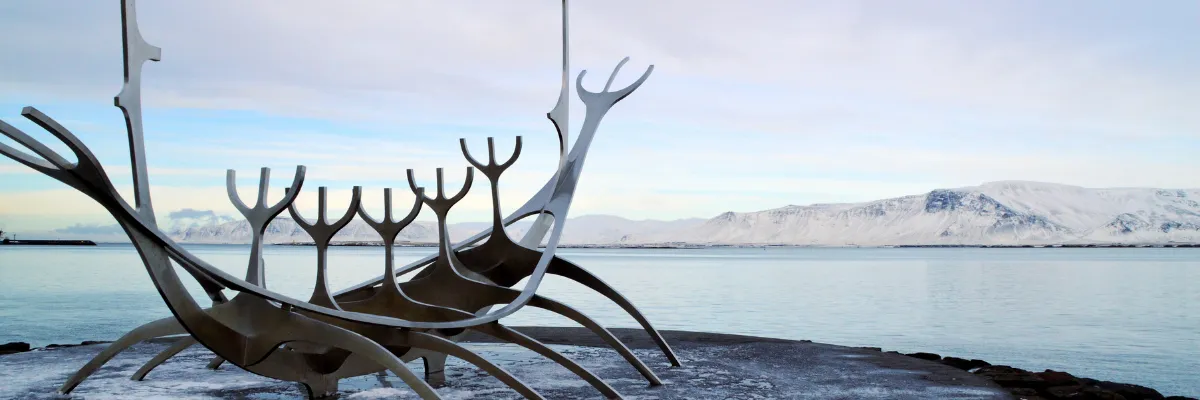
One of the city’s most recognisable landmarks is Hallgrímskirkja, a striking church inspired by Iceland’s volcanic landscapes. Visitors can take the lift to its tower for panoramic views over Reykjavík and the surrounding mountains. Other highlights include Harpa Concert Hall, the Sun Voyager sculpture and the old harbour.
Reykjavík is also a good place to learn about Icelandic history and culture before heading into the countryside. You can visit the National Museum of Iceland, explore local galleries or enjoy traditional Icelandic food.
Allow: Half a day to one full day.
Best for: Culture, architecture, restaurants, museums and getting to know Iceland’s capital.
2. The Golden Circle
The Golden Circle is one of Iceland’s most popular sightseeing routes. It is an excellent introduction to the country’s geology and history, combining a national park, an active geothermal area and a spectacular waterfall.
The route’s three main attractions are:
- Þingvellir National Park: A UNESCO World Heritage Site where visitors can explore a dramatic rift valley associated with the movement of the North American and Eurasian tectonic plates. It is also the historic location of Iceland’s early parliament.
- Geysir Geothermal Area: Home to bubbling hot springs and Strokkur, a geyser that regularly erupts and sends water high into the air.
- Gullfoss Waterfall: One of Iceland’s most famous waterfalls, where the Hvítá River plunges into a deep canyon in two powerful stages.
You can explore the Golden Circle on a self-drive trip or join a guided tour from Reykjavík.
Allow: One full day, although you can spend longer exploring the surrounding area.
Best for: First-time visitors, geology, waterfalls and Icelandic history.
3. Reykjadalur Hot River
Reykjadalur, which translates as “Steam Valley”, is one of the most unusual places to enjoy Iceland’s geothermal landscape. Located near the town of Hveragerði, it is known for a naturally heated river where visitors can bathe outdoors surrounded by mountains and steaming hillsides.
Getting there requires a hike through a beautiful geothermal valley. Along the trail, you will see hot springs, bubbling mud pools and steam rising from the ground. The walk is part of the experience, offering a closer look at the volcanic activity that shapes this region.
When you reach the bathing area, you can find sections of the river where the water is warm enough to enjoy. Temperatures vary along the river, so take care when choosing where to enter.
Remember to bring a towel, swimwear and suitable hiking shoes. The path can be muddy, slippery or exposed to changing weather, so check conditions before setting out.
Allow: Around three to four hours for the hike and bathing experience.
Best for: Natural hot springs, hiking and geothermal landscapes.
4. Kerið Crater
Kerið is a volcanic crater in South Iceland, recognised for its steep slopes and striking lake at the bottom. The contrast between the red volcanic rock, green vegetation and blue water makes it a particularly photogenic stop.
The crater was formed by volcanic activity and later filled with water. A walking path runs around its rim, offering different views of the lake and surrounding landscape. Visitors can also follow the path down towards the water.
Kerið is an easy addition to a Golden Circle itinerary, making it a convenient stop for travellers who want to see another example of Iceland’s volcanic geology.
Allow: 30–60 minutes.
Best for: Photography, volcanic landscapes and a short stop during a Golden Circle road trip.
5. Seljalandsfoss and Gljúfrabúi
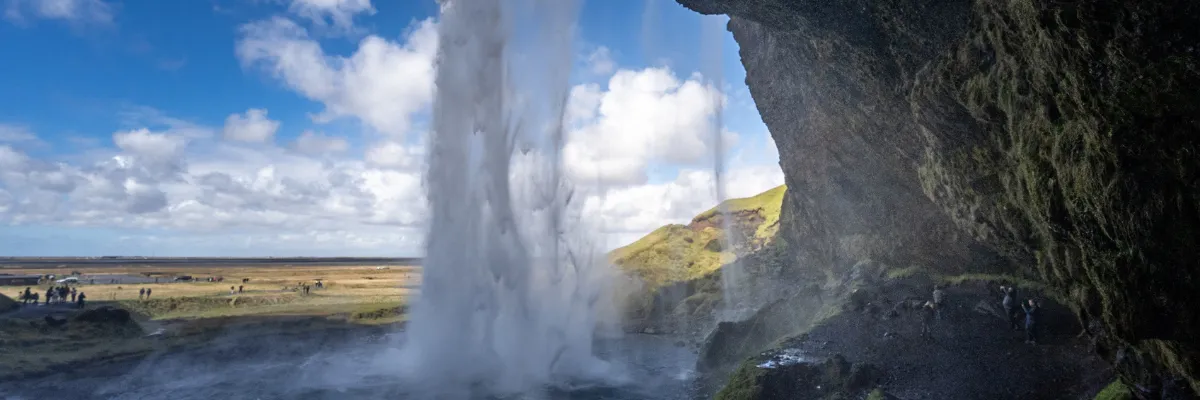
Seljalandsfoss is one of Iceland’s most recognisable waterfalls. It is particularly famous because a path allows visitors to walk behind the falling water when conditions permit.
Seeing the waterfall from behind is a memorable experience, as the landscape opens up around you and the water cascades down from the cliffs. However, the path can be slippery, and you should expect to get wet. It may also be closed during unsafe conditions.
A short walk from Seljalandsfoss brings you to Gljúfrabúi, a beautiful waterfall hidden inside a narrow gorge. Partially concealed by the surrounding cliffs, it offers a very different experience from its famous neighbour. To get a closer view, visitors may need to walk through shallow water and over slippery rocks.
Both waterfalls are easy to combine on the same stop and are among the highlights of the South Coast.
Allow: One to two hours for both waterfalls.
Best for: Waterfall photography, short walks and exploring two very different natural settings.
6. Vestmannaeyjar (Westman Islands)
The Westman Islands, or Vestmannaeyjar, are a small archipelago off Iceland’s southern coast. The largest island, Heimaey, is the only inhabited island and offers a fascinating combination of volcanic history, coastal scenery and wildlife.
One of the most important events in the island’s recent history was the 1973 eruption of Eldfell volcano. The eruption forced residents to evacuate and covered parts of the town in lava and ash. Today, visitors can learn about the event at the Eldheimar museum and hike up Eldfell to see the landscape shaped by the eruption.
The islands are also known for their birdlife. During summer, puffins gather around the cliffs, making the area particularly popular with wildlife enthusiasts and photographers.
You can reach Heimaey by ferry from Landeyjahöfn on the mainland.
Allow: One full day, ideally with an overnight stay if you want to explore at a relaxed pace.
Best for: Volcanic history, puffins, coastal scenery and boat trips.
7. Skógafoss
Skógafoss is one of the most impressive waterfalls in South Iceland. With a wide curtain of water dropping from a height of approximately 60 metres, it creates a powerful display, especially when the river is flowing strongly.
You can walk close to the waterfall and feel the spray, or climb the staircase beside it for a view from above. On sunny days, rainbows often appear in the mist, making it a favourite stop for photographers.
Skógafoss is also the starting point of the famous Fimmvörðuháls hiking route, which leads between Eyjafjallajökull – the worldwide known volcano because of its eruption in 2010 which stopped the air traffic for almost a week – and Mýrdalsjökull glaciers towards Þórsmörk. The full hike is a demanding adventure and should only be attempted with proper preparation and suitable conditions.
Even if you do not plan a long hike, Skógafoss is a must in your South Coast itinerary.
Allow: 45 minutes to one hour for the waterfall, or longer if you explore the surrounding trails.
Best for: Waterfall photography, hiking and dramatic South Coast scenery.
8. Dyrhólaey
Dyrhólaey is a dramatic headland on Iceland’s South Coast, just west of Vík. Its name refers to the large rock arch that extends into the sea, creating one of the region’s most recognisable coastal views.
From the cliffs, you can look across the Atlantic Ocean, see the black sand coastline stretching towards Reynisfjara and enjoy views of the Reynisdrangar sea stacks. On clear days, the landscape is particularly impressive.
Dyrhólaey is also an important nesting area for seabirds. Puffins can often be seen here during the breeding season, generally from late spring through summer, although sightings are never guaranteed.
Access to some areas may be restricted during nesting periods to protect wildlife. Weather conditions can also be challenging, so follow local signs and any temporary closures.
Allow: 45 minutes to one hour.
Best for: Coastal views, photography, birdwatching and puffins in summer.
9. Vík and Reynisfjara
Vík í Mýrdal is a small village on Iceland’s South Coast and one of the most convenient places to stop during a road trip. Surrounded by dramatic landscapes, it is a great base for exploring black sand beaches, glaciers, volcanoes and nearby adventure destinations.
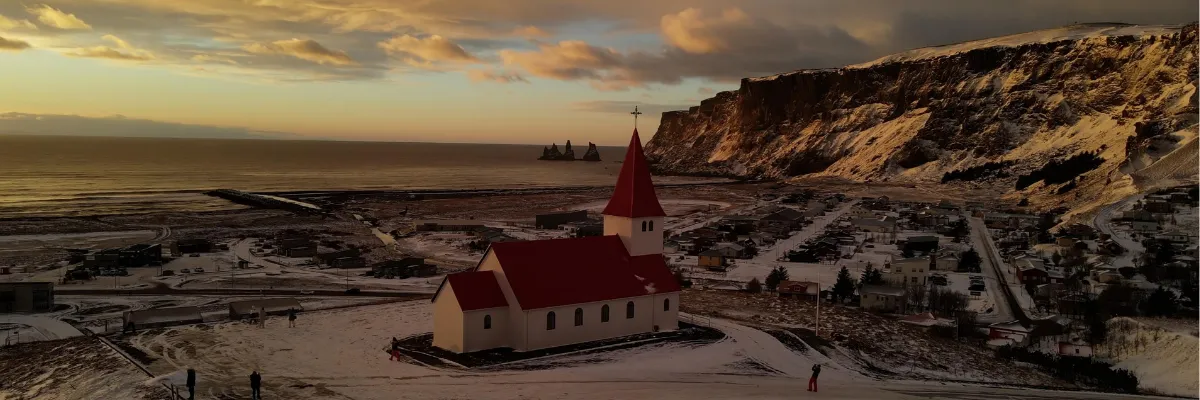
The village itself is known for its white church on the hill, which offers beautiful views over the settlement and surrounding coastline. Vík also has restaurants, cafés, shops and accommodation, making it a useful place to rest and refuel.
A short drive away is Reynisfjara, one of Iceland’s most famous black sand beaches. Its basalt columns, sea caves and towering Reynisdrangar rock formations create an extraordinary landscape.
However, Reynisfjara is also one of the most dangerous beaches in Iceland because of its powerful waves. Sneaker waves can reach much farther up the shore than expected, even when the sea appears calm. Always stay well back from the water, follow warning signs and never turn your back on the waves.
For a different experience, Víkurfjara, the black sand beach beside the village, offers lovely views of Reynisdrangar.
Allow: Two to three hours for Vík and the nearby beaches.
Best for: Black sand beaches, coastal scenery, local culture and exploring the area around Katla.
10. Katla Ice Cave and Mýrdalsjökull Glacier
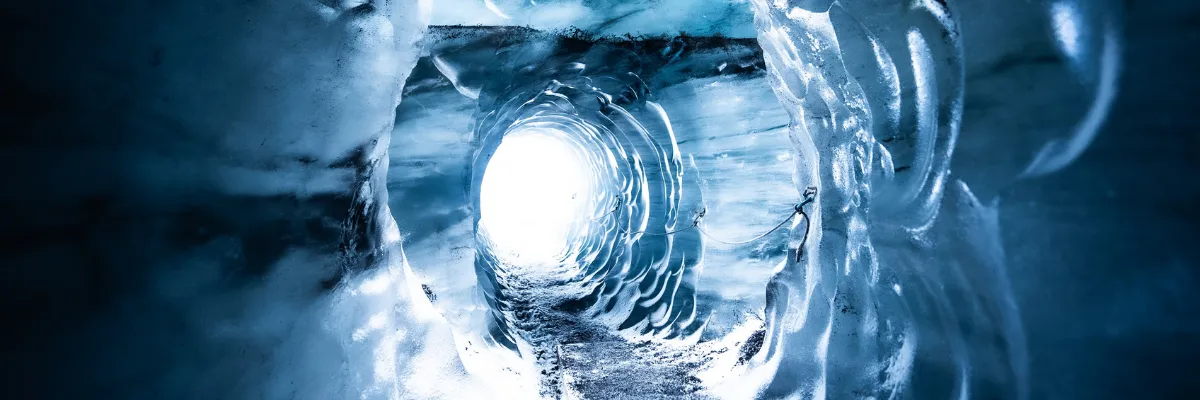
Katla Ice Cave is one of the most extraordinary natural attractions near Vík. Located beneath Mýrdalsjökull, a vast glacier covering the Katla volcano, the cave offers visitors the opportunity to explore a landscape shaped by ice and volcanic activity.
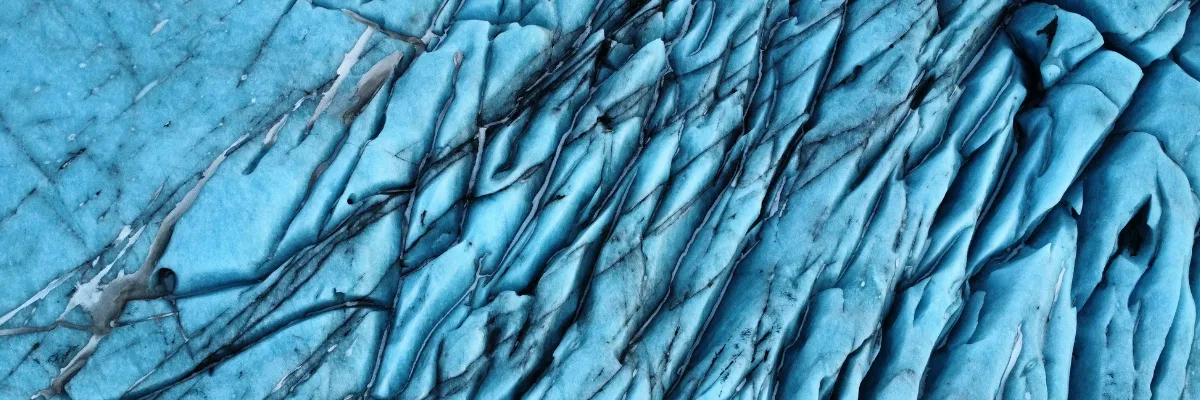
Unlike the bright blue ice caves often associated with other parts of Iceland, Katla’s ice formations can display a fascinating mixture of blue, white, grey and black. The dark colours come from volcanic ash and other material trapped in the glacier over time.
The appearance of the cave changes naturally as the ice moves and melts. This means that every visit will be different, and the route through the cave may change depending on conditions.
Because ice caves are constantly changing environments, visitors must explore them with a qualified guide and appropriate safety equipment. Never attempt to enter an ice cave independently.
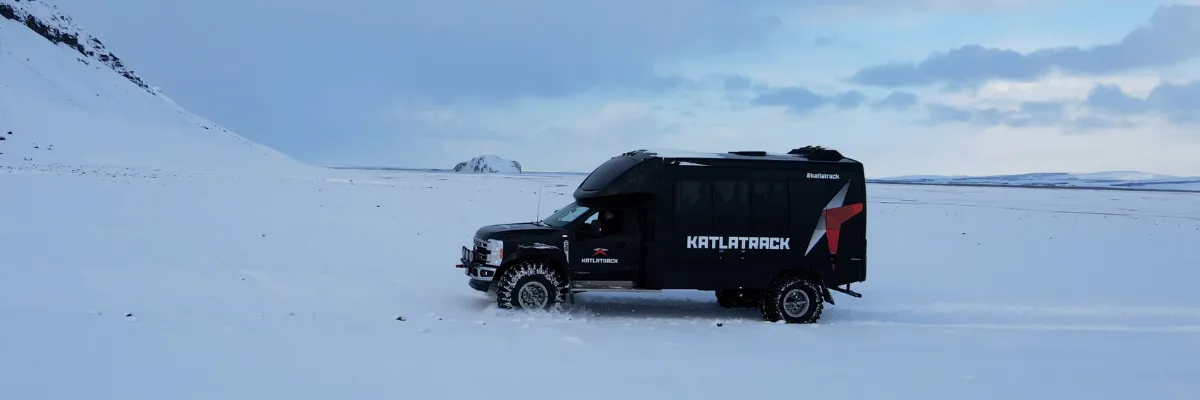
Katla Ice Cave tours usually begin in Vík and involve travelling across rugged terrain in a specially equipped vehicle.
Allow: Around three hours, depending on the tour and conditions.
Best for: Ice formations, volcanic landscapes, guided adventures and photography.
11. Þakgil
Þakgil is a spectacular valley hidden among the mountains inland from Vík. Its name means “Roof Canyon”, referring to the dramatic rock formations that surround parts of the area.
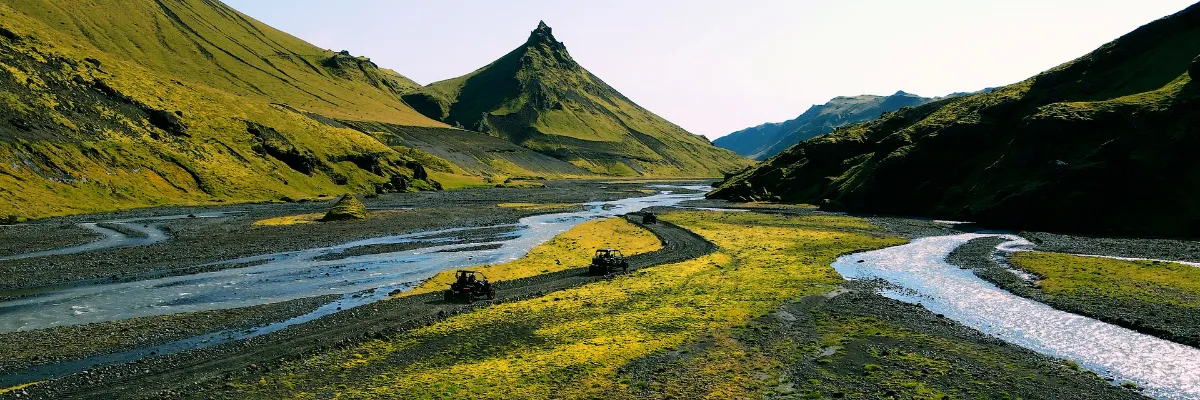
Unlike the more accessible attractions along the South Coast, Þakgil feels remote and peaceful. The landscape combines green slopes, dark volcanic rock, narrow canyons and impressive mountain views. It is an excellent destination for travellers who want to explore beyond the main tourist route.
There are several hiking trails in the area, offering different perspectives of the valley and its surroundings. Þakgil is also known for its campsite, which has a distinctive sheltered setting beneath the cliffs.
The access road is rough and conditions can change, so check the road situation before travelling. A suitable vehicle is important, particularly outside the summer season.
For a more adventurous way to discover the area, guided Super Jeep and buggy tours from Vík can explore parts of the surrounding landscape that are difficult to reach in a regular car.
Allow: Half a day or longer, depending on your activities.
Best for: Hiking, remote landscapes, camping and off-road adventures.
12. Fjaðrárgljúfur Canyon
Fjaðrárgljúfur is one of Iceland’s most beautiful canyons. Located near Kirkjubæjarklaustur in South Iceland, it is known for its winding shape, steep green cliffs and the river flowing along the canyon floor.
The canyon was formed over thousands of years through the interaction of water, erosion and changing geological conditions. Today, a marked walking route follows the upper edge, offering spectacular viewpoints over the landscape.
The scenery changes with the seasons. In summer, the cliffs are often covered in green vegetation, while winter can bring snow and a more dramatic atmosphere.
To protect the fragile environment, visitors should stay on marked paths and respect any temporary closures. The vegetation around the canyon can be easily damaged by foot traffic.
Allow: One to two hours.
Best for: Scenic walks, photography and exploring Iceland’s distinctive geology.
13. Landmannalaugar
Landmannalaugar is one of the most remarkable destinations in the Icelandic Highlands. Located in the Fjallabak Nature Reserve, it is famous for its colourful rhyolite mountains, lava fields, geothermal activity and extensive hiking trails.
The mountains display shades of red, orange, yellow, green and pink, creating a landscape unlike anywhere else in the country. One of the most popular activities is hiking through the surrounding valleys and mountains, where you can enjoy panoramic views of the Highlands.
After a hike, many visitors relax in the area’s natural geothermal bathing pool. The warm water is a welcome reward after exploring the rugged terrain.
Landmannalaugar is also the starting point of the famous Laugavegur hiking trail, which connects the Highlands with Þórsmörk.
Access is seasonal and depends on road and weather conditions. The journey involves Highland roads, and some routes include river crossings. A suitable 4×4 vehicle and experience driving in the Highlands may be necessary. Always check official road conditions and access restrictions before setting out.
Allow: One full day at minimum, although an overnight stay is ideal.
Best for: Hiking, geothermal bathing, colourful mountains and Highland landscapes.
14. Skaftafell
Skaftafell is a beautiful natural area within Vatnajökull National Park, known for its combination of glaciers, mountains, waterfalls and hiking trails.
One of its most famous attractions is Svartifoss, a waterfall surrounded by dark basalt columns. The distinctive rock formations make it look almost like a natural architectural structure.
Skaftafell also offers excellent views of the surrounding glaciers and mountains. Several marked hiking trails allow visitors to explore the area, from shorter walks to more demanding routes.
The region is particularly interesting for travellers who want to experience Iceland’s glacier landscapes. Guided glacier hikes are available through specialist operators, providing an opportunity to explore the ice safely with the right equipment and an experienced guide.
Remember that glacier and weather conditions can change quickly. Never walk onto glacier ice without appropriate guidance and equipment.
Allow: Two to four hours, depending on your chosen hikes and activities.
Best for: Hiking, waterfalls, glacier scenery and outdoor adventures.
15. Jökulsárlón Glacier Lagoon
Jökulsárlón is one of Iceland’s most famous natural attractions. Located beside Vatnajökull National Park, the glacier lagoon is filled with floating icebergs that have broken away from Breiðamerkurjökull, an outlet glacier of Vatnajökull.
The icebergs drift slowly across the lagoon, displaying different shapes and shades of blue, white and grey. Some eventually reach the ocean, where pieces of ice are washed back onto the nearby black sand beach known as Diamond Beach.
Visitors can admire the lagoon from the shore or join a boat tour during the operating season for a closer look at the icebergs. Seals are also sometimes spotted swimming among the ice.
Jökulsárlón is beautiful throughout the year, although the experience changes with the seasons and weather. In winter, the surrounding landscape can be covered in snow, while summer offers longer daylight hours.
Allow: One to two hours, or longer if you take a boat tour.
Best for: Icebergs, wildlife, photography and glacier landscapes.
16. Vestrahorn
Vestrahorn is one of Iceland’s most recognisable mountains. Located on the Stokksnes Peninsula near Höfn in Southeast Iceland, it rises dramatically above a black sand beach, creating a striking landscape.
The mountain’s jagged peaks are particularly impressive when reflected in shallow water across the beach. Depending on the weather, you may also see waves, mist or clouds moving around the summit, creating constantly changing photographic opportunities.
The area is also home to a Viking village film set, built for a production that was never completed. It offers an interesting additional stop when exploring the peninsula.
Access to the Stokksnes area is through private land, and an entrance fee applies. Check the current visiting arrangements before travelling.
Allow: One to two hours.
Best for: Landscape photography, mountain scenery and exploring the area around Höfn.
17. Hengifoss
Hengifoss is one of the tallest waterfalls in Iceland and a highlight of East Iceland. It is famous not only for its height but also for the distinctive geological layers visible in the cliffs behind the falling water.
The dark basalt rock is crossed by reddish clay layers, creating striking horizontal patterns. These colours provide a fascinating glimpse into the volcanic history of the region.
Reaching the waterfall requires a hike from the parking area. The trail climbs gradually through a scenic valley, with views over the surrounding landscape. Along the way, you can also see Litlanesfoss, a smaller waterfall framed by impressive basalt columns.
The route can be steep and slippery in places, so wear appropriate footwear and allow enough time for the return walk.
Allow: Around two to three hours for the hike.
Best for: Hiking, geology, waterfalls and discovering East Iceland.
18. Stuðlagil Canyon
Stuðlagil Canyon is one of the most striking geological formations in East Iceland. It is known for its towering basalt columns, which form impressive geometric patterns along the sides of the river.
The canyon became much more visible after changes to the water levels of the Jökla River following the development of a hydroelectric project. Depending on the season and river conditions, the water can appear in beautiful shades of turquoise.
There are different ways to visit Stuðlagil, including viewpoints from either side of the river. The experience and walking distance vary depending on the access point you choose.
Be aware that water levels and currents can be dangerous, and the river colour is not guaranteed to be bright blue. Follow local signs and remain in designated areas.
Allow: Two to three hours, depending on the viewpoint and walking route.
Best for: Basalt formations, geology, photography and exploring East Iceland.
19. Seyðisfjörður
Seyðisfjörður is a charming village in the Eastfjords, surrounded by steep mountains and located at the end of a beautiful fjord. Its colourful wooden buildings and artistic atmosphere make it one of the most distinctive small towns in Iceland.
One of its most photographed locations is the rainbow-painted street leading towards the blue church. The village is also known for its art scene, independent shops, cafés and cultural events.
The drive to Seyðisfjörður is an attraction in itself. The mountain road offers impressive views over the fjord and surrounding peaks, although weather conditions can change quickly.
Seyðisfjörður is also an important ferry port, connecting Iceland with the Faroe Islands and mainland Europe. This gives the village a distinctive maritime atmosphere.
Allow: Two to three hours, or longer if you want to explore the village at a relaxed pace.
Best for: Small-town charm, photography, art and scenic mountain roads.
20. Akureyri
Akureyri is the largest town in North Iceland and an important base for exploring the region. Located at the end of Eyjafjörður, one of Iceland’s longest fjords, it offers a combination of urban attractions and beautiful natural surroundings.
The town has a lively centre with restaurants, cafés, shops and museums. Its botanical garden is particularly interesting, featuring a wide variety of plants despite the northern climate. Akureyri Church, designed by architect Guðjón Samúelsson, is another well-known landmark.
Akureyri is also a convenient starting point for visiting Goðafoss, Lake Mývatn and Húsavík. During winter, the surrounding region is popular for skiing and other snow activities.
Allow: Half a day to one full day.
Best for: Exploring North Iceland, local culture, restaurants and outdoor activities.
21. Goðafoss
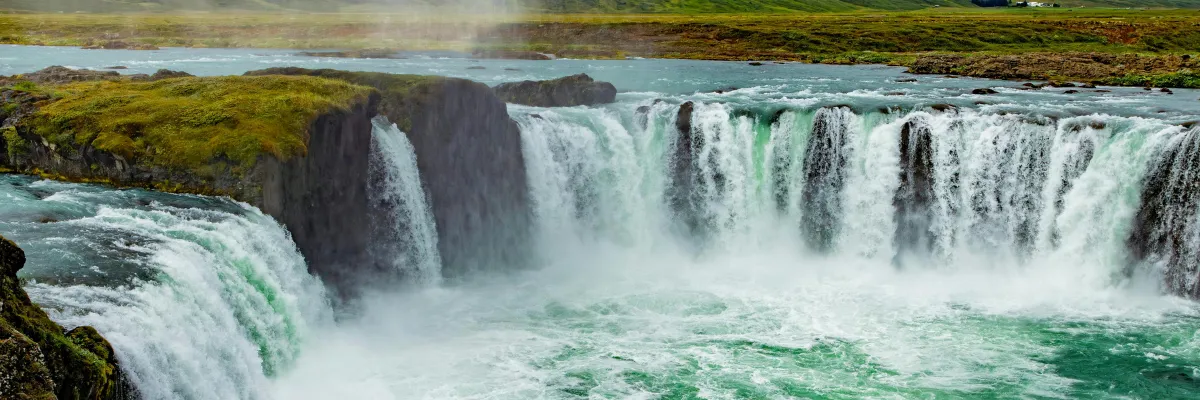
Goðafoss, known as the Waterfall of the Gods, is one of the most beautiful waterfalls in North Iceland. The Skjálfandafljót River flows over a wide curved edge, creating a powerful cascade surrounded by dramatic rock formations.
The waterfall is closely connected to Icelandic history. According to tradition, around the year 1000, the lawspeaker Þorgeir Ljósvetningagoði threw statues of the old Norse gods into the waterfall after Iceland adopted Christianity.
Today, visitors can admire Goðafoss from several viewpoints on both sides of the river. The paths offer different perspectives of the waterfall, making it a particularly rewarding stop for photography.
Its location along the Ring Road makes it easy to include when travelling between Akureyri and Lake Mývatn.
Allow: 45 minutes to one hour.
Best for: Waterfall photography, Icelandic history and scenic road trips.
22. Lake Mývatn and Mývatn Nature Baths
Lake Mývatn is one of the most fascinating geological areas in North Iceland. The region is known for its volcanic landscapes, pseudocraters, lava formations, geothermal activity and rich birdlife.
The lake itself is relatively shallow and surrounded by unusual geological features. Nearby, visitors can explore Dimmuborgir, a remarkable lava field filled with strange rock formations, and the Hverir geothermal area, where bubbling mud pools and steaming vents reveal the volcanic activity beneath the surface.
The area is also an important habitat for birds, particularly during the summer months.
After exploring the landscape, Mývatn Nature Baths offer an opportunity to relax in geothermal water while enjoying views of the surrounding countryside. The bathing facilities are a popular alternative to the more crowded geothermal spas closer to Reykjavík.
The region has a lot to explore, so it is worth allowing enough time rather than treating Lake Mývatn as a quick roadside stop.
Allow: Half a day to a full day, depending on how many attractions you visit.
Best for: Geology, birdwatching, geothermal landscapes and relaxing in hot water.
23. Dettifoss
Dettifoss is one of the most powerful waterfalls in Europe and one of the most impressive natural attractions in Iceland. Located in Vatnajökull National Park in the northeast, it is known for the enormous volume of water that plunges into the Jökulsárgljúfur canyon.
The surrounding landscape is rugged and dramatic, with dark volcanic rock and deep canyon walls. The sound of the water can be heard well before the waterfall comes into view.
There are viewpoints on both sides of the river, but access routes and road conditions vary. Some roads are not suitable for all vehicles, particularly outside summer. Check current conditions before choosing your route.
Allow: One to two hours, plus driving time.
Best for: Powerful waterfalls, dramatic landscapes and exploring Vatnajökull National Park.
24. Húsavík
Húsavík is a small fishing town on the north coast of Iceland, widely recognised as one of the country’s best destinations for whale watching.
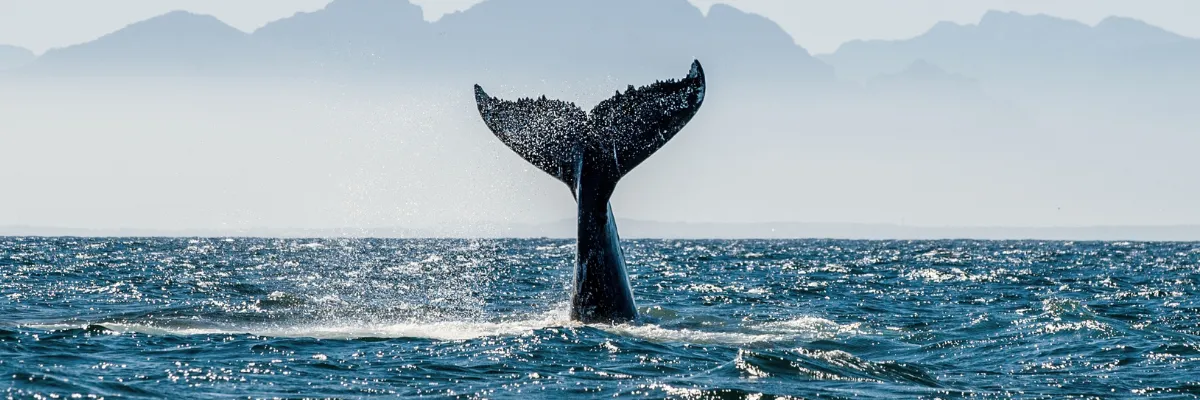
Its location on Skjálfandi Bay makes it an excellent place to join a boat tour in search of whales and other marine wildlife. Depending on the season and conditions, visitors may spot humpback whales, minke whales, dolphins and other species. Sightings are never guaranteed, as these are wild animals in their natural habitat.
The town itself is worth exploring. Its harbour, colourful buildings and traditional wooden church create a welcoming atmosphere. The Húsavík Whale Museum is also an interesting stop for anyone wanting to learn more about whales and marine conservation.
Allow: Half a day, or a full day if you join a whale-watching tour.
Best for: Whale watching, marine wildlife, coastal culture and boat trips.
25. Snæfellsnes Peninsula (including Kirkjufell)
The Snæfellsnes Peninsula is often described as Iceland in miniature because it brings together many of the landscapes that make the country so special. Within a relatively compact area, you can discover volcanic mountains, glaciers, black sand beaches, fishing villages, lava fields and dramatic coastal cliffs.
One of its most famous landmarks is Kirkjufell, a distinctive mountain near the village of Grundarfjörður. Its unusual shape and the nearby Kirkjufellsfoss waterfall make it one of the most photographed locations in Iceland.
Other highlights include Snæfellsjökull National Park, the coastal villages of Arnarstapi and Hellnar, the rock formations at Lóndrangar and the black pebble beach of Djúpalónssandur.
The peninsula is a great destination for travellers who want to explore beyond the Ring Road without committing to a much longer journey into the Westfjords.
Although it can be visited on a long day trip from Reykjavík, spending one or two nights in the region allows you to explore at a more relaxed pace.
Allow: One to two days.
Best for: Coastal scenery, photography, volcanic landscapes, small fishing villages and road trips.
When Is the Best Time to Visit These Places in Iceland?
The best time to visit Iceland depends on the experiences you want to enjoy. Summer and winter offer very different conditions, and some destinations are only accessible during certain parts of the year.
- Summer (June to August) is generally the easiest season for road trips. Days are long, temperatures are milder and many Highland routes become accessible. It is an excellent time for hiking in Landmannalaugar, visiting Þakgil, exploring the Westman Islands and enjoying wildlife watching.
- Autumn (September to October) brings changing colours, fewer daylight hours and the possibility of seeing the Northern Lights. Many main roads and attractions remain accessible, although weather conditions become less predictable.
- Winter (November to March) transforms Iceland into a landscape of snow, ice and frozen waterfalls. It is a great season for exploring ice caves, enjoying winter scenery and looking for the Northern Lights. However, driving conditions can be challenging, and some remote destinations may be difficult or impossible to reach.
- Spring (April to May) is a transition period. Snow begins to melt, waterfalls become powerful and daylight increases quickly. Some Highland roads remain closed, but many of the main attractions are accessible.
Before travelling, always check weather forecasts, road conditions and official safety alerts. Conditions can change quickly in Iceland, even during summer.
How Many Days Do You Need to Visit Iceland?
The number of days you need depends on how much of the country you want to explore.
- 3–5 days: Focus on Reykjavík, the Golden Circle and the South Coast as far as Vík or Jökulsárlón.
- 7 days: Explore more of the South Coast and include destinations such as Skaftafell and Jökulsárlón.
- 10 days: A good starting point for a more extensive road trip, including parts of East and North Iceland.
- 12–14 days: A more comfortable timeframe for exploring the Ring Road, with time for detours and additional activities.
- Two weeks or more: Consider adding the Snæfellsnes Peninsula, the Highlands or other destinations that require extra travel time.
Do not underestimate driving times. Iceland’s landscapes are best enjoyed slowly, and you will often want to stop for photographs, short walks and unexpected discoveries.
Also remember that not all 25 destinations in this guide are directly on the Ring Road. Some require additional driving, a ferry crossing or a guided excursion.
Frequently Asked Questions About the Best Places to Visit in Iceland
What is the most beautiful place in Iceland?
There is no single answer, as Iceland has many extraordinary landscapes. Jökulsárlón Glacier Lagoon, the South Coast, Landmannalaugar, Snæfellsnes Peninsula and the Eastfjords are among the most visually impressive destinations. The best choice depends on whether you prefer glaciers, waterfalls, mountains, beaches or volcanic landscapes.
What are the best places to visit in Iceland for first-time visitors?
First-time visitors should consider Reykjavík, the Golden Circle, Seljalandsfoss, Skógafoss, Vík, Reynisfjara and Jökulsárlón. These destinations offer a good introduction to Iceland’s landscapes and are relatively straightforward to combine into a South Coast road trip.
Can you visit the best places in Iceland without renting a car?
Yes. You can explore several popular destinations through guided day trips and multi-day tours from Reykjavík. However, renting a car offers more flexibility, especially if you want to visit remote places or travel at your own pace. Some Highland destinations require a suitable 4×4 vehicle or a guided excursion.
Is it possible to drive the Ring Road in one week?
Yes, but it will be a busy trip. Seven days can be enough to drive around the island, but you will need to prioritise your stops and spend relatively little time in some places. Ten to fourteen days allow for a more relaxed experience.
Are the best places in Iceland open all year?
Many of Iceland’s most famous attractions can be visited throughout the year, including Reykjavík, the Golden Circle, Seljalandsfoss, Skógafoss, Vík and Jökulsárlón. However, access to Highland destinations such as Landmannalaugar is seasonal, and winter weather can affect roads and walking paths elsewhere.
What are the best hidden gems in Iceland?
Some destinations offer a quieter alternative to Iceland’s busiest attractions. Þakgil, Hengifoss, Stuðlagil Canyon and parts of the Eastfjords are excellent choices for travellers looking to explore beyond the most famous stops. Even popular destinations can feel more peaceful if you visit early or later in the day.
Explore Iceland and discover a new world
Iceland is a destination that rewards curiosity. Its most famous landmarks are spectacular, but some of the most memorable experiences happen when you take a detour, explore a quieter valley or spend a little longer in a place that catches your attention.
From Reykjavík and the Golden Circle to the glaciers of the southeast, the remote Eastfjords, the volcanic north and the Snæfellsnes Peninsula, these 25 destinations offer a varied introduction to the country.
Plan your route around the season, allow enough time for the distances involved and always put safety first. Most importantly, leave room for the unexpected. In Iceland, the journey between destinations can be just as impressive as the places themselves.
More about Plan Your Trip to Iceland