Things to Do in Vík in September

Things to Do in Vík in September

Things to Do in Vík in September

September is a fantastic month to visit Vík. Summer is coming to an end, but many outdoor activities are still available. The landscapes are starting to change, and the nights are getting darker. This also means that the Northern Lights season is beginning again.

For travelers wondering about the best things to do in Vík in September, this month offers an excellent combination of adventure, nature and quieter surroundings. You can explore black sand beaches, hike through dramatic mountains, visit glaciers and ice caves, or join an off-road tour into the Icelandic highlands.

If you are planning a trip to Vík Iceland in September, it is worth remembering that the weather can change quickly. Some tours and mountain roads depend on weather and road conditions. Planning ahead, while keeping some flexibility, is the best way to enjoy your time in South Iceland.

How Much Daylight Is There in Vík in September?

One of the biggest changes during September is the amount of daylight.

At the beginning of the month, there is still plenty of light for exploring. On September 1, the sun rises at approximately 6:25 AM and sets around 8:40 PM in Vík. That means more than 14 hours of daylight.

By September 30, sunrise is around 7:37 AM, while sunset is approximately 7:08 PM. This gives you around 11 hours and 30 minutes of daylight.

In just one month, Vík loses almost three hours of daylight. This makes late September feel noticeably different from the beginning of the month.

However, there is also an important advantage. The nights are becoming dark enough to see the Northern Lights.

See the Northern Lights in Vík

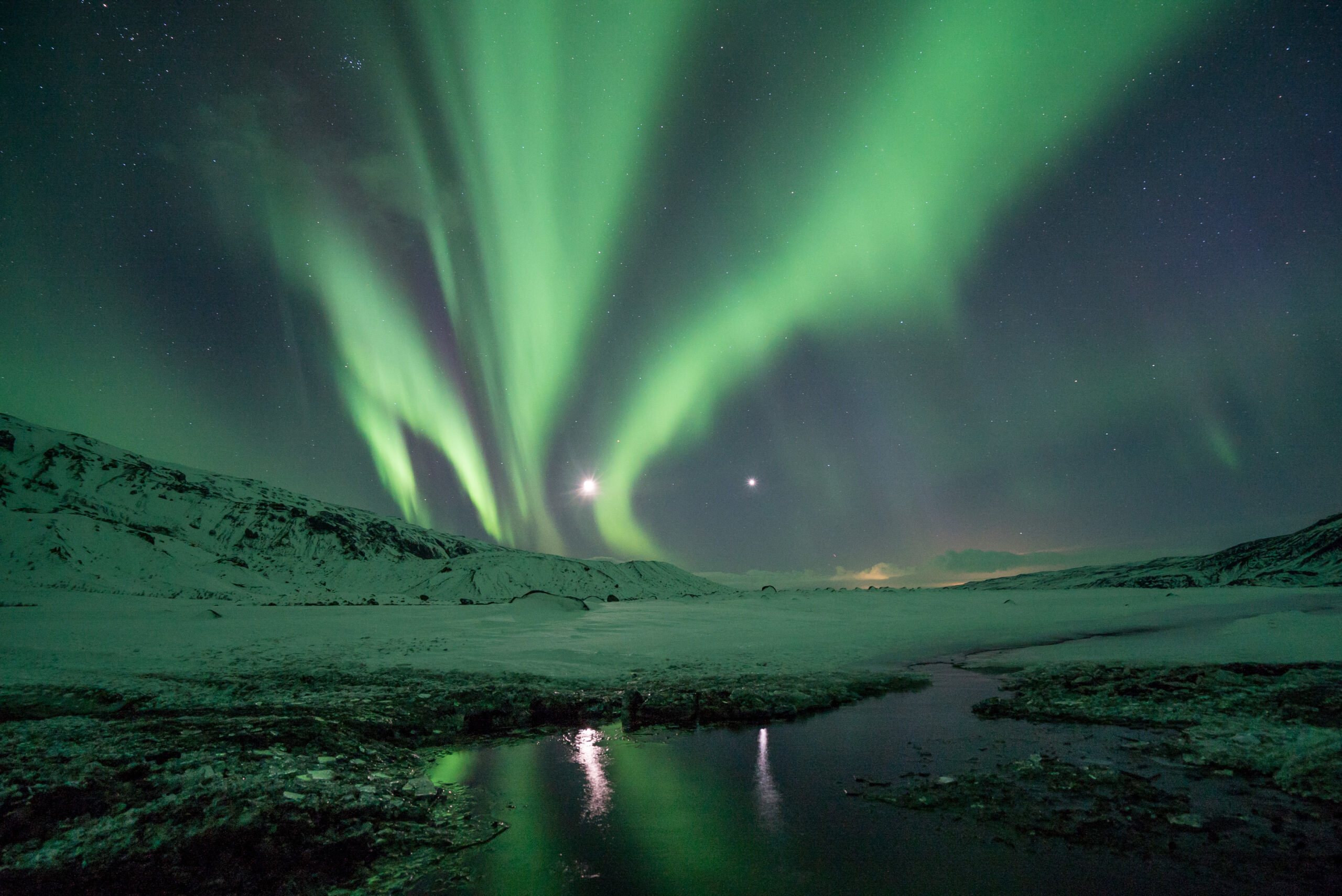
The return of darkness is one of the biggest reasons to visit Vík in September.

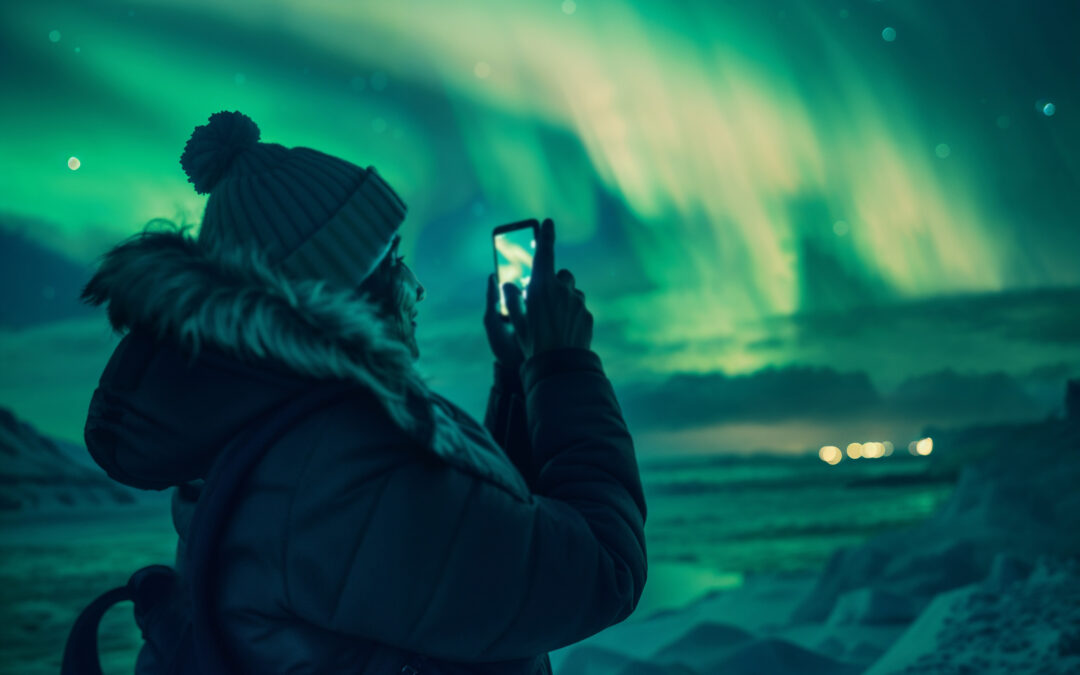
During the summer months, Iceland has too much daylight to see the aurora. In September, however, the nights become dark enough for the Northern Lights to appear.

Seeing the aurora is never guaranteed. You need darkness, clear skies and enough solar activity. Still, the area around Vík offers excellent landscapes for Northern Lights photography.

Imagine watching green lights move across the sky above the mountains or the Reynisdrangar sea stacks. It is one of the most memorable experiences you can have during September in Iceland.

If the forecast looks promising, keep your evening flexible. The Northern Lights can appear late at night, so patience is important.

Walk Along Vík’s Black Sand Beaches

One of the easiest things to do in Vík in September is exploring the local coastline.

Víkurfjara Beach

Víkurfjara is Vík’s own black sand beach. It is only a few minutes’ walk from the village center.

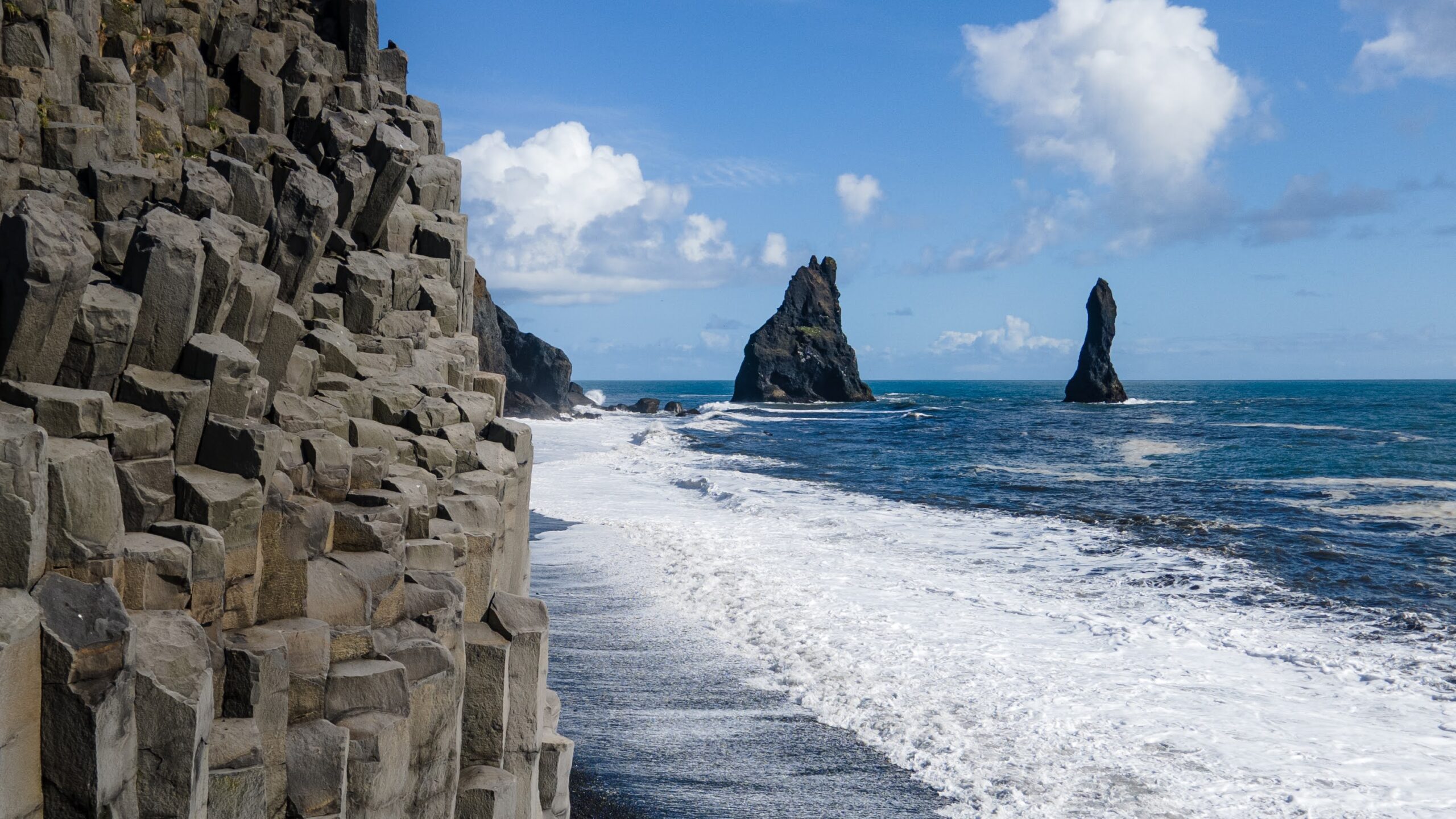
The beach offers beautiful views of the Atlantic Ocean and the famous Reynisdrangar sea stacks. In September, the summer crowds are starting to disappear, making it a great place for a peaceful walk.

The changing autumn light can also make the coastline look completely different throughout the day.

Reynisfjara Black Sand Beach

A short drive from Vík takes you to Reynisfjara, one of the most famous beaches in Iceland.

The beach is known for its black volcanic sand, dramatic basalt columns and Reynisdrangar sea stacks. It is one of the most iconic landscapes on the South Coast and an essential stop when visiting Vík.

However, Reynisfjara is also dangerous. The beach is famous for its unpredictable sneaker waves, which can suddenly reach much farther up the shore than expected.

Always stay well away from the water. Follow the safety signs and never turn your back on the ocean. The waves can be extremely powerful, even on days when the sea appears calm.

Visit Vík Church for the Best Easy View

For one of the easiest viewpoints in Vík, head up to Vík Church.

The small white church sits on a hill overlooking the village. From here, you can see Vík, the surrounding mountains and the coastline.

It is a particularly beautiful viewpoint during Vík Iceland September trips. The first autumn colors begin to appear, while the low evening light creates dramatic views across the landscape.

The church is also connected to the area’s volcanic history. Because Vík lies close to the Katla volcanic system, the church has an important role in the community in the event of an emergency.

A visit does not take long, making it an easy stop to add to your September itinerary.

Hike Reynisfjall for Incredible Views

If you are looking for more active September activities in Vík, consider hiking Reynisfjall.

The mountain rises directly above the village and offers spectacular views over the South Coast. From higher points, you can see Vík, the black sand beaches, Reynisdrangar and, on clear days, Dyrhólaey.

The hike can be demanding. September weather can also bring strong wind and rain, so you should be prepared for changing conditions.

The effort is worth it. The views from Reynisfjall are among the best around Vík.

For another local adventure, Hatta offers beautiful views and a more rugged experience. Both areas show a different side of the landscape away from the main tourist attractions.

Discover Yoda Cave and Hjörleifshöfði

Another interesting place near Vík is Hjörleifshöfði, better known to many visitors as Yoda Cave.

The cave gets its nickname from the shape of its entrance, which resembles the famous Star Wars character. The surrounding landscape is equally fascinating, with dramatic volcanic formations and views across the black sand plains.

Hjörleifshöfði is also connected to Icelandic history and folklore. It takes its name from Hjörleifur Hróðmarsson, a figure associated with Iceland’s early settlement.

If you are planning a Vík Iceland September itinerary, this is a good place to visit before winter conditions make some outdoor areas more difficult to access.

Explore Katla Geopark

Vík is located within Katla Geopark, an area shaped by volcanoes, glaciers, rivers and the Atlantic Ocean.

The region is a perfect example of Iceland’s relationship between fire and ice. Katla Volcano lies beneath the Mýrdalsjökull glacier, while volcanic activity has helped create the black sand beaches and unusual rock formations around Vík.

Exploring Katla Geopark is not only about seeing individual attractions. It is about understanding how the entire landscape was formed.

September is a great time to explore the area. The weather can still allow for a wide range of outdoor activities, while the first signs of autumn add another layer to the scenery.

Adventure Tours to Do in Vík in September

September is also an interesting time for adventure travelers. Some Katlatrack tours are especially dependent on summer conditions.

As the weather gets colder and mountain roads begin to close, some activities may no longer be available. If you want to experience these tours, early September can be an excellent opportunity.

Þakgil Buggy Tour

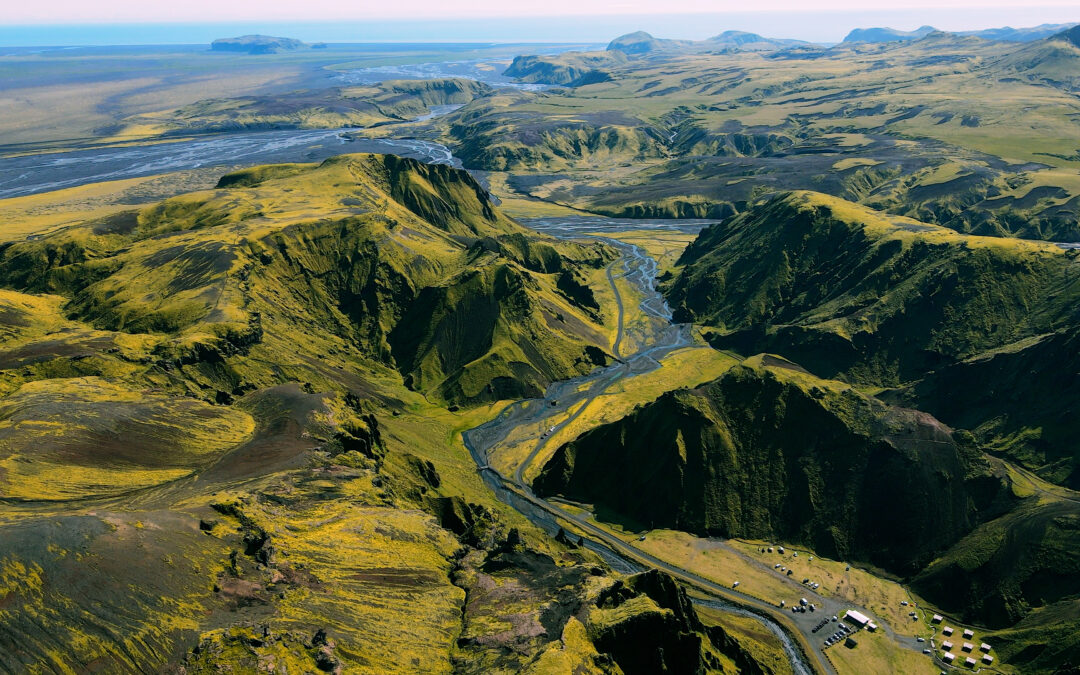
Þakgil is one of the most spectacular areas near Vík. The landscape is filled with narrow canyons, black volcanic terrain, rivers and rugged mountain trails.

The Þakgil Buggy Tour combines off-road driving with spectacular scenery. You can cross rivers and explore remote areas while enjoying views of the surrounding mountains and glaciers.

The tour normally operates during the warmer season. Weather and road conditions can affect availability, so September may be one of the last opportunities to experience Þakgil by buggy before winter arrives.

E-Bike Tour on Reynisfjall

The Reynisfjall Electric Mountain Bike Tour is another great option for active travelers.

Starting in Vík, the route climbs Reynisfjall by e-mountain bike. The electric assistance makes the climb easier, but a good level of fitness is still required.

At the top, you are rewarded with panoramic views of Reynisfjara, Reynisdrangar, Dyrhólaey and the Atlantic Ocean.

Because the route takes place on exposed mountain terrain, the tour depends on suitable weather. September can offer beautiful autumn light, but conditions should always be checked before departure.

Mælifell Super Jeep Tour

For those looking for a real Icelandic adventure, Mælifell is hard to beat.

This green, cone-shaped volcano stands in the middle of a vast black volcanic landscape. Getting there means traveling into the Icelandic highlands by Super Jeep, crossing rivers and following remote mountain roads.

The Mælifell area is seasonal. Highland roads eventually close because of snow and difficult conditions.

For this reason, September in Iceland can be one of the final opportunities to visit Mælifell before winter takes over the highlands.

Þórsmörk Super Jeep Tour

Þórsmörk is another spectacular destination in South Iceland.

The valley is surrounded by mountains and glaciers and is known for its hiking trails, rivers and dramatic scenery. A Super Jeep makes it possible to explore areas that ordinary vehicles cannot reach.

As with Mælifell and Þakgil, access depends on road and weather conditions. September can therefore be a great time to experience Þórsmörk before winter arrives.

Visit Katla Ice Cave in September

One of the best things about visiting Vík in September is that you do not have to wait for winter to explore an ice cave.

The Katla Ice Cave is accessible all year round. This makes it different from many other natural ice caves in Iceland, which are only accessible during the winter season.

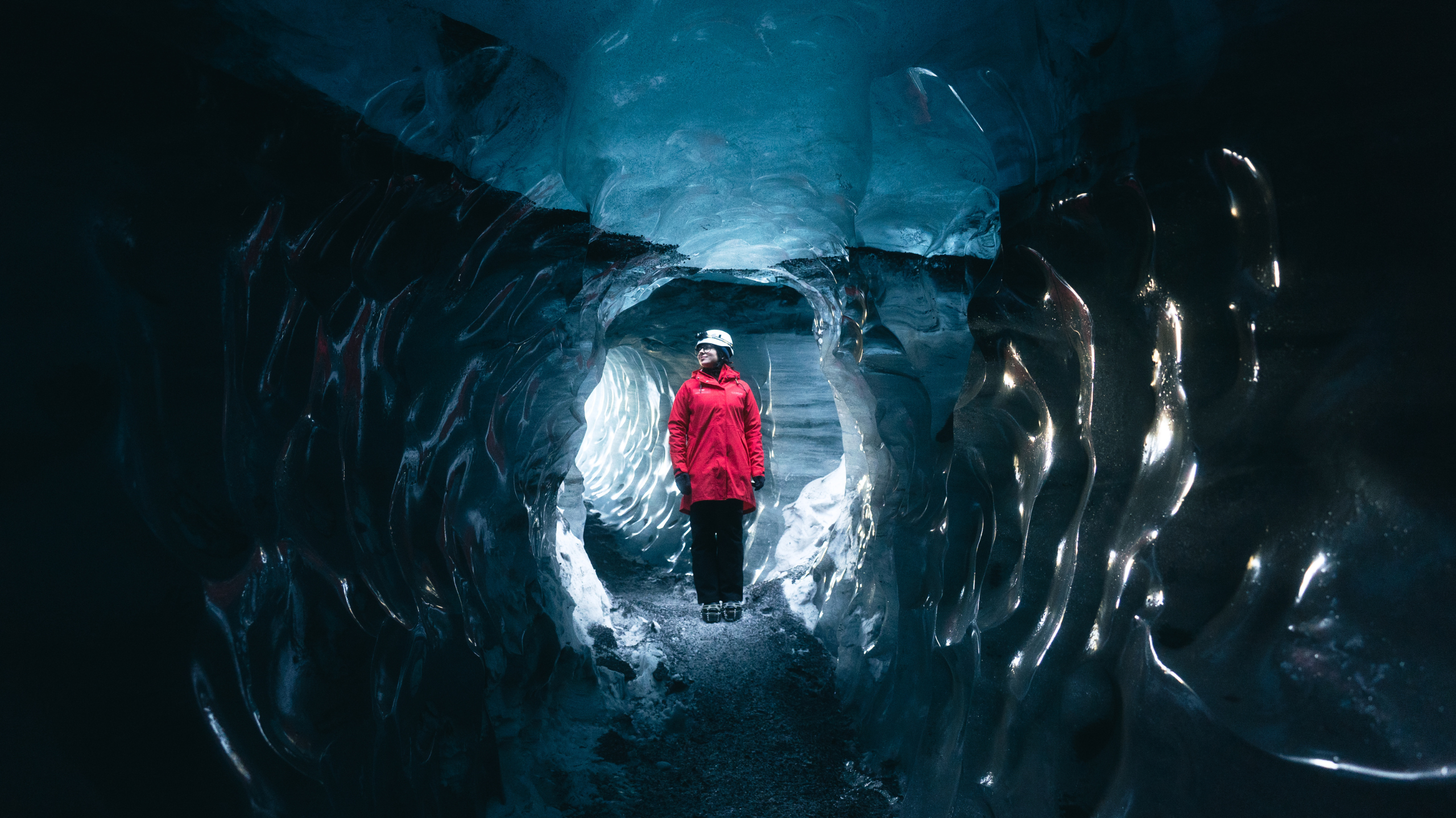
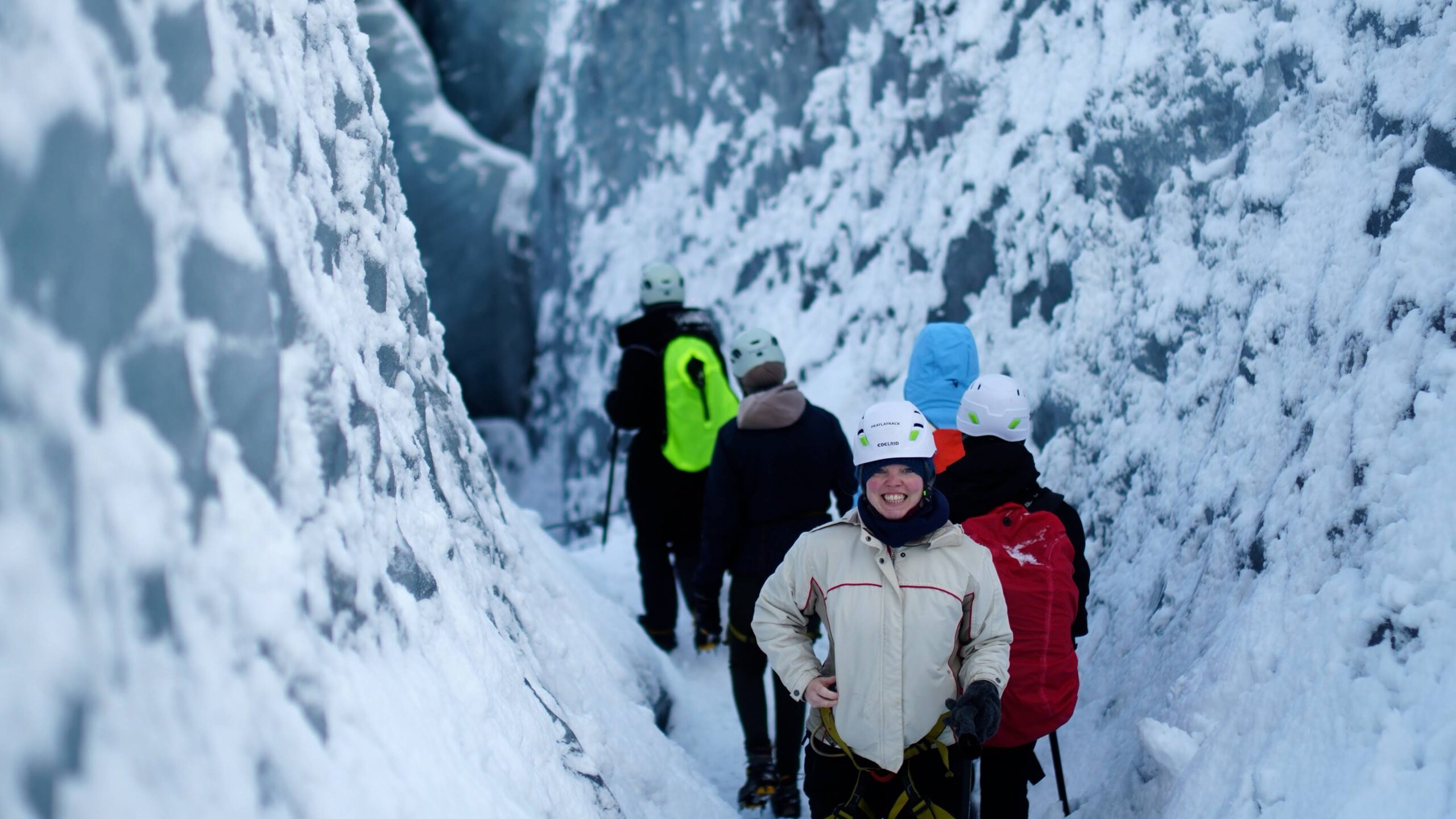
The cave is located beneath the Mýrdalsjökull glacier. Inside, you can see blue ice mixed with layers of volcanic ash from Katla’s volcanic activity.

The result is a completely unique landscape. The dark volcanic ash contrasts with the blue and white ice, creating spectacular patterns and textures.

Because glacier conditions are constantly changing, ice caves should always be visited with an experienced guide and the appropriate safety equipment.

For travelers looking for unique things to do in Vík in September, the Katla Ice Cave is one of the highlights.

What to Wear in Vík in September

Packing correctly is essential for a trip to Vík in September.

Although September is technically still part of the warmer season, Icelandic weather can change quickly. You may experience sunshine, rain, strong wind and cold temperatures on the same day.

A waterproof and windproof jacket should be one of the first things in your suitcase. Warm layers are also important. Fleece, wool and thermal base layers work well.

For outdoor activities, waterproof trousers can make a big difference. A hat and gloves are also useful, especially during early mornings, evenings and mountain activities.

Good footwear is equally important. Bring waterproof hiking boots with good grip. Many of the best places around Vík involve uneven, wet or rocky terrain.

The best strategy is to dress in layers. This allows you to adapt quickly when Iceland’s weather changes.

Why Visit Vík in September?

September offers one of the best combinations of summer and autumn in Iceland.

You can still enjoy outdoor adventures such as Þakgil buggy tours, e-biking, Mælifell and Þórsmörk. You can hike glaciers, explore the Katla Ice Cave and walk along the black sand beaches.

At the same time, the nights are becoming dark enough for the Northern Lights. The landscapes are starting to change, and the busiest summer period is coming to an end.

For anyone planning things to do in Vík in September, the best advice is to stay flexible. Some activities depend on weather and road conditions, especially in the mountains and highlands.

But when the conditions are right, September is an incredible time to discover Vík.

The days may be getting shorter, but there is still plenty to explore. And once darkness arrives, you may have one more reason to look up at the sky.

More from our blog
Things to Do in Vík in September

Explore Vík in September with black sand beaches, glaciers, Northern Lights, hikes and adventure tours before winter arrives.

10 Tips Before Your Trip to Iceland in Summer

10 essential tips for first-time travelers in Iceland: packing, driving, tours, activities, and summer must-see attractions.

5 Things You Should Know Before Doing a Glacier Hike Tour in Iceland

If you are planning to do a glacier hike in Iceland, you should know few things before. Ready to start this adventure?

Things to Do in Iceland During the Winter

Discover different things to do in Iceland this winter. Northern Lights, Waterfalls, Ice Caves, Glacier Hikes… A lot to do!

Northern Lights Forecast in Iceland: How to Read and Use It

How to read the northern lights forecast in Iceland and use it to see the aurora during your trip.

Christmas in Iceland: How We Celebrate Christmas

Learn how Iceland celebrates Christmas and New Year’s Eve with traditions, Yule Lads, markets, and magical winter experiences.

How is the Weather in Iceland in Winter?

Learn what Iceland’s winter is really like: weather, driving tips, clothing and the best activities for a safe and magical trip.

Strongest in Iceland Award 2025

Proud to be among the Strongest in Iceland 2025—our second year in a row! Thank you to our amazing team and travelers.

Northern Lights in Iceland: When, Where and How to See Them

Find out when and where to see the Northern Lights in Iceland, plus tips to plan your perfect aurora adventure.

Our Private Tours in Iceland

Experience Iceland private tours in Katlatrack: buggy rides, glacier hikes, and super jeep adventures led by expert local guides.

10 Tips Before Your Trip to Iceland in Summer

10 Tips Before Your Trip to Iceland in Summer

10 Tips Before Your Trip to Iceland in Summer

Summer in Iceland is a magical time. The days are long, the weather is relatively mild, and the landscapes are at their most vibrant. However, visiting Iceland for the first time can be overwhelming. From unpredictable weather to driving conditions and local customs, there’s a lot to keep in mind. This travel guide for Iceland will give you ten essential tips to ensure your summer trip is unforgettable.

1. Pack Smart: Clothing and Layers

One of the most important tips for Iceland is to dress in layers. Even in summer, temperatures can fluctuate dramatically from sunny mornings to chilly or cold evenings. Waterproof jackets and pants are essential, as rain showers are frequent, especially near waterfalls and the coast. We never know how the Icelandic weather will look like! 

Warm layers like fleece or wool sweaters will help you stay comfortable when the wind picks up, and thermal undergarments can be useful for colder days or high-altitude hikes.

What about the shoes? Our highly recommendation is to bring hiking boots, they’re essencial for exploring glaciers, lava fields, or uneven terrain safely.

A beanie, gloves, and a scarf are small additions that can make a big difference in comfort.

2. Driving Tips in Iceland

If you plan to rent a car, knowing driving tips in Iceland is crucial. Summer is the safest season to drive, but conditions can still be challenging. Gravel roads are common, especially in the Highlands or rural areas.

Katlatrack tip: Always check road conditions before heading out in official websites like road.is. They are extremly helpful for real-time updates.

Drive slowly on gravel, respect single-lane bridges, and never underestimate the wind. Strong gusts, especially in open areas near the coast, can easily affect your vehicle and driving.

If you plan on exploring highland areas or F-roads, make sure your rental is suitable for rough terrain, preferably a 4×4 prepared for that. Always carry a full tank of fuel and be prepared for long stretches without service stations.

3. Must-See Attractions in Summer

Iceland’s summer offers unparalleled natural beauty, and some spots are truly must-visits:

  • Reynisfjara Black Sand Beach: Famous for its black volcanic sand, basalt columns, and the powerful Atlantic waves. Be cautious, as sneaker waves can appear suddenly. And it is just few minutes away from Vík!
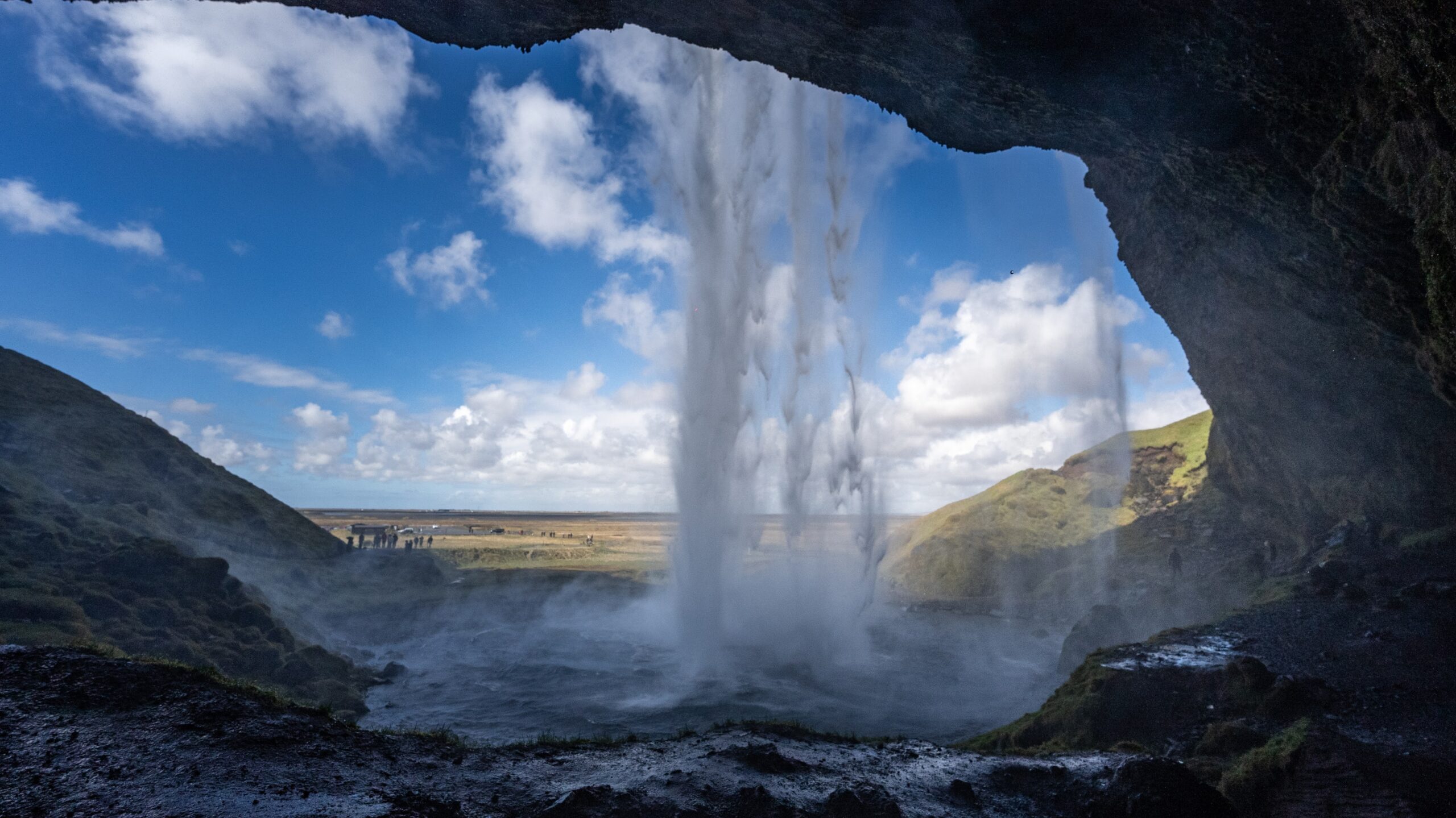
  • Seljalandsfoss and Skógafoss: Iconic waterfalls. Seljalandsfoss allows you to walk behind it: a unique experience. If you feel like hiking, you must go up of Skógafoss and you will discover a trail with several waterfalls on the way! 
  • Þingvellir National Park: A UNESCO World Heritage site with incredible geology and historical significance. You can also find here Silfra, were you can do snorkeling and discover another world!
  • Jökulsárlón Glacier Lagoon: Witness floating icebergs in a surreal setting, and nearby Diamond Beach sparkles with ice fragments washed ashore.
  • Ice Caves and Glaciers: If you go to Iceland, seeing an ice cave, doing a glacier hike – or both! – are a must. You will feel like in other planet, sorrounded by blue ice, crevasses and unique landscapes!

Summer is also the best time to explore the highlands, which are mostly inaccessible in winter. Roads like Landmannalaugar offer stunning rhyolite mountains and geothermal hot springs.

4. Try Icelandic Cuisine

Experiencing typical Icelandic food is an adventure in itself. During summer, fresh ingredients are abundant, and local dishes reflect both tradition and innovation. Must-try foods include:

  • Lamb: Icelandic lamb is prized for its flavor, often slow-cooked or roasted.
  • Fresh fish and Seafood: Fresh fish, especially cod, arctic char, and langoustine.
  • Skyr: A thick yogurt-like dairy product, perfect for breakfast or snacks.
  • Hot dogs (pylsur): Surprisingly famous in Iceland, often topped with crispy onions, mustard, and remoulade.

Visiting local restaurants or food trucks in Reykjavik and along the South Coast is a good way to taste authentic Icelandic flavors.

5. Respect Nature and Follow the Rules

Iceland’s landscapes are fragile, and respecting nature rules is essential. Stick to marked trails, avoid walking on moss (it takes decades to recover), and never drive off-road. Campers should use designated sites, and always dispose of waste responsibly.

Many hot springs and natural pools are accessed via trails. Follow signs and guidelines to protect the environment and ensure your safety.

6. Hot Springs and Geothermal Pools

One of the highlights of summer travel in Iceland is enjoying hot springs and geothermal pools. The Blue Lagoon is iconic, but smaller, lesser-known pools provide a more intimate experience.

  • Secret Lagoon (Flúðir): Rustic and charming, surrounded by nature.
  • Landmannalaugar hot spring: Perfect after a day of hiking in the Highlands.
  • Local swimming pools: Found in almost every town, these pools are heated and offer a cultural experience. Locals gather here to relax and socialize.

Remember that water temperatures can vary, so check before jumping in.

If you feel adventorous, you can search for natural hot springs, some of them are in the highlands and they are not accesible during the winter. Prepare your hiking boots, your backpack and hike until the prize of relax surrounded by Icelandic nature!

7. Plan Tours with Local Experts

Iceland is best explored with guides who know the terrain. Summer is a perfect season for tours like Katlatrack’s adventures, which include:

  • Katla Ice Cave tours: Unique, scenic tours in Super Jeep or buggy for small groups to see Katla Ice Cave.
  • Buggy tours: High-adrenaline exploration of volcanic landscapes near Vík. You can visit Þakgil, the Black Sand Beach or visit the stunning Katla Ice Cave!
  • Super Jeep tours: Journey into the highlands safely with proffessional drivers, crossing rivers and enjoying the remote landscapes in the South of Iceland, like Þórsmörk or Mælifell.
  • Glacier Hikes in Sólheimajökull: Walk on ice with a professional guide.
  • Zipline tour: Explore Vík like never before, feel the arenaline while flying!

Local guides provide not only safety but also deep insight into Icelandic geology, history, and folklore.

8. Be Prepared for Midnight Sun

In Icelandic summer, daylight can last almost 24 hours in the north, which is magical but can affect your sleep. Bring an eye mask if you are sensitive to light. Long days also mean more opportunities to explore, photograph, and enjoy outdoor activities late into the evening. Take advantage of this unique natural phenomenon to maximize your experience.

9. Transportation and Connectivity

While Reykjavik and main tourist areas are well-connected, public transportation is limited outside cities. Renting a car is the most flexible way to explore the South Coast, highlands, and hidden gems.

Mobile coverage is generally good in populated areas but may be patchy in remote regions. Even in summer we recommed you check road.is before heading the road, weather in Iceland can change quickly and can be totally different from one day to another.

10. Other Activities in Summer

Beyond natural sights, Iceland offers unique summer activities:

  • Horseback riding: Icelandic horses are gentle and perfect for beginners. Tours near Vík or Hella allow you to ride across lava fields and green valleys.
  • Lava Centre in Hvolsvöllur: Learn about Iceland’s volcanic history and Katla volcano’s eruptions.
  • Hiking and trekking: Trails in Þórsmörk, Landmannalaugar, and Fimmvörðuháls are accessible in summer.
  • Birdwatching and puffin spotting: Coastal cliffs near Dyrhólaey and Látrabjarg offer incredible views. Visit Vestmannaeyjar to see Iceland’s largest puffin colony!
  • Photography and scenic drives: Capture waterfalls, glaciers, mountains, and black sand beaches in the soft summer light.

Combining guided tours with independent exploration allows travelers to experience both adventure and flexibility.

Blue ice cave winter

Final Tips

Summer in Iceland is magical, but preparation makes it unforgettable. Dress in layers, respect the fragile environment, plan your drives carefully, and take advantage of local guides for both safety and deeper understanding. With long days, incredible landscapes, and a variety of activities—from glaciers and hot springs to horseback riding and volcanic tours—your Icelandic adventure will be truly memorable.

More from our blog

Things to Do in Vík in September

Explore Vík in September with black sand beaches, glaciers, Northern Lights, hikes and adventure tours before winter arrives.

10 Tips Before Your Trip to Iceland in Summer

10 essential tips for first-time travelers in Iceland: packing, driving, tours, activities, and summer must-see attractions.

5 Things You Should Know Before Doing a Glacier Hike Tour in Iceland

If you are planning to do a glacier hike in Iceland, you should know few things before. Ready to start this adventure?

Things to Do in Iceland During the Winter

Discover different things to do in Iceland this winter. Northern Lights, Waterfalls, Ice Caves, Glacier Hikes… A lot to do!

Northern Lights Forecast in Iceland: How to Read and Use It

How to read the northern lights forecast in Iceland and use it to see the aurora during your trip.

Christmas in Iceland: How We Celebrate Christmas

Learn how Iceland celebrates Christmas and New Year’s Eve with traditions, Yule Lads, markets, and magical winter experiences.

How is the Weather in Iceland in Winter?

Learn what Iceland’s winter is really like: weather, driving tips, clothing and the best activities for a safe and magical trip.

Strongest in Iceland Award 2025

Proud to be among the Strongest in Iceland 2025—our second year in a row! Thank you to our amazing team and travelers.

Northern Lights in Iceland: When, Where and How to See Them

Find out when and where to see the Northern Lights in Iceland, plus tips to plan your perfect aurora adventure.

Our Private Tours in Iceland

Experience Iceland private tours in Katlatrack: buggy rides, glacier hikes, and super jeep adventures led by expert local guides.

5 Things You Should Know Before Doing a Glacier Hike Tour in Iceland

5 Things You Should Know Before Doing a Glacier Hike Tour in Iceland

5 Things You Should Know Before Doing a Glacier Hike Tour in Iceland

A glacier hike tour is one of the most exciting outdoor experiences you can have in Iceland. Walking across ancient ice, discovering deep crevasses, and seeing vibrant blue ice formations up close is something most travelers have never experienced before.

Iceland is home to some of the most impressive glaciers in Europe, and glacier hiking allows visitors to explore these frozen landscapes safely with experienced guides. One of the most popular locations for a glacier hike tour is Sólheimajökull Glacier, an outlet glacier that flows from the massive ice cap Mýrdalsjökull.

Further east along the South Coast lies Vatnajökull, the largest glacier in Europe and one of Iceland’s most dramatic natural wonders.

If you’re considering booking a glacier hike tour, here are five important things you should know before stepping onto the ice.

1. You Don’t Need Previous Experience

One of the most common concerns people have before booking a glacier hike tour is whether they need mountaineering experience. The good news is that most glacier hikes in Iceland are designed for beginners. But you will need to be physically fit and able to walk in uneven terrain for at least 3 hours. 

Professional guides lead the tours and provide a full safety introduction before the hike begins. They explain how to walk safely on the ice, how to use the equipment, and how to follow the safest routes across the glacier.

During a glacier hike in Iceland, guides carefully select paths that allow visitors to explore impressive glacier features while staying within safe areas. Even if you’ve never used crampons before, most people become comfortable walking on the ice within a few minutes.

Guides also share fascinating information about the glacier itself, from how it formed thousands of years ago to how volcanic eruptions have shaped its surface.

The result is a glacier experience that combines adventure, learning, and breathtaking scenery, without requiring technical climbing skills.

2. All the Equipment Is Provided

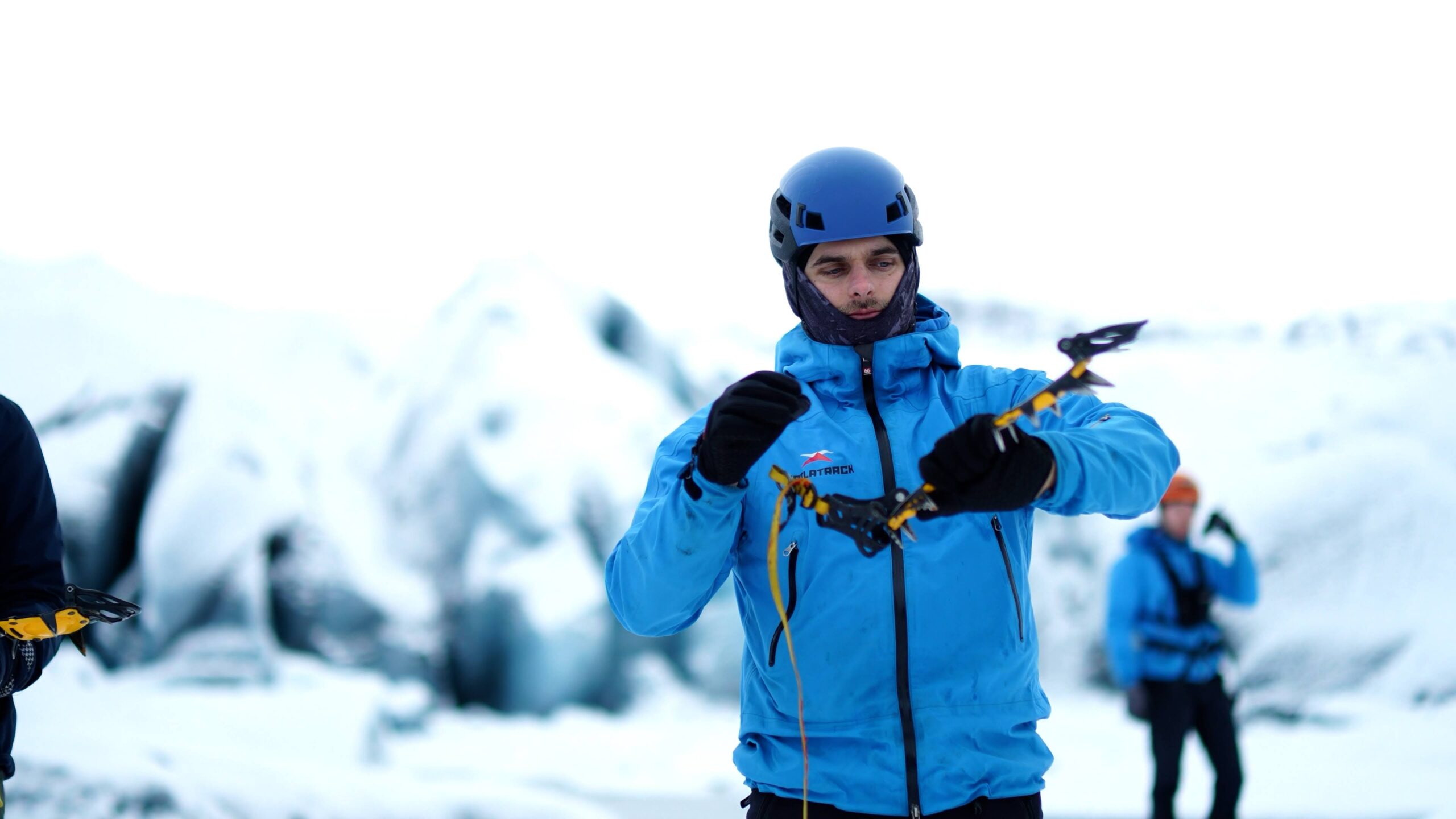
Another great thing about joining a glacier hike tour is that you don’t need to own specialized mountaineering gear. Tour operators provide all the essential equipment needed for a safe glacier experience.

For example, on a typical glacier hike in Sólheimajökull with Katlatrack, participants receive:

  • Helmet – to protect your head from small falling rocks or ice
  • Crampons – metal spikes that attach to your boots to provide traction on ice
  • Ice axe – used mainly for balance while walking
  • Harness – sometimes used in areas where extra safety measures are needed

Before stepping onto the glacier, your guide will help you put on the equipment correctly and explain how it works.

Crampons might feel unusual at first, but they quickly become your best friend on the ice. They allow you to walk confidently across surfaces that would otherwise be too slippery.

Because all technical equipment is included, you can simply focus on enjoying the adventure and exploring the glacier landscape.

3. Glaciers Are Full of Incredible Natural Features

Many people imagine glaciers as flat, frozen surfaces. In reality, glaciers are constantly moving rivers of ice filled with dramatic formations and geological features.

During your glacier hike tour, you’ll likely encounter several fascinating elements that make every glacier unique.

Crevasses

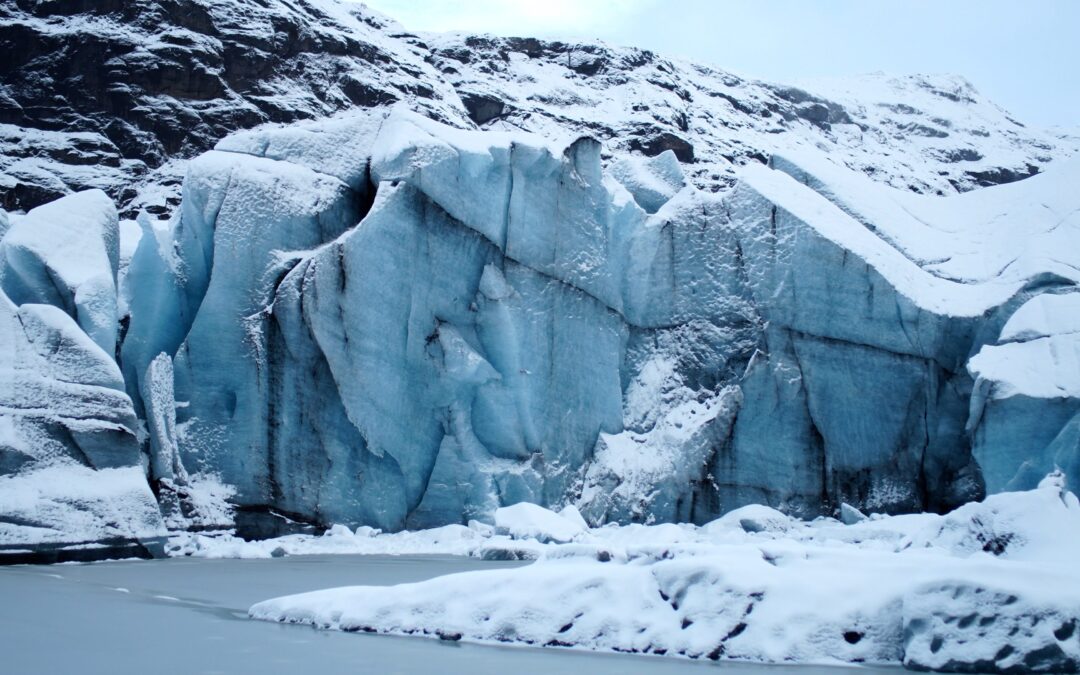
Crevasses are deep cracks that form as the glacier slowly moves downhill. Some are narrow and shallow, while others open into deep blue gaps that reveal layers of ancient ice.

These crevasses are one of the most striking features of glaciers and provide a glimpse into the glacier’s internal structure.

Blue Ice

One of the most magical sights on a glacier hike is blue ice. Over time, compressed ice absorbs most colors of light except blue, which gives certain areas of the glacier a vivid and almost glowing appearance.

These blue tones are especially visible in crevasses and compact ice formations.

Volcanic Ash Layers

Some glaciers, like Mýrdalsjökull, are strongly impacted by volcanic activity. Over centuries, volcanic eruptions have deposited ash on the glacier surface. As snow and ice accumulate over time, these ash layers become trapped within the glacier.

When the ice shifts and melts, these layers appear as dark stripes inside the ice, creating a natural record of past volcanic events.

Ice Caves, Sculptures and Ridges

Wind, melting water, and glacier movement constantly reshape the ice surface. This creates natural ice caves, sculptures, ridges, and small formations that make every glacier hike slightly different.

No two glacier hikes are ever exactly the same, which is part of what makes this experience so special.

4. How long are the glacier hike tours?

Many travelers assume a glacier hike requires a full-day commitment, but most glacier hike tours in Iceland last only a few hours.

A typical glacier hike in Sólheimajökull lasts about 2.5 to 3 hours, making it easy to combine with other activities along Iceland’s South Coast.

If you have more experience, you can book a tour that involves more exploring, ice climbing, longer hikes and it will be longer. 

The experience usually includes:

  • Meeting your guide and checking in
  • Getting fitted with helmets, crampons, and other equipment
  • Walking to the glacier from the parking area
  • A safety briefing and training session
  • Hiking across the glacier with your guide

Because the tour is relatively short, it fits perfectly into a day exploring nearby attractions like waterfalls, black sand beaches, and some attractions around.

5. What to wear for a glacier hike?

Glacier environments can be colder and windier than nearby areas, so dressing properly is important for a comfortable glacier hike tour.

The best approach is to dress in layers, which allows you to adjust depending on the temperature and wind.

Base layer: Start with a thermal or moisture-wicking base layer that keeps you warm while allowing your body to breathe.

Mid Layer: Add an insulating layer such as a fleece or light jacket. This helps trap heat and maintain warmth during the hike.

Outer Layer: Your outer layer should be waterproof and windproof, as Iceland’s weather can change quickly.

Pants: Wear comfortable hiking pants or waterproof outdoor trousers that allow you to move easily.

Footwear: Good footwear is essential, most of the companies offer rentals for your tour, because appropriate footwear is a must for these tours. You should wear:

  • Waterproof hiking boots
  • Shoes with solid ankle support
  • A sturdy sole that allows crampons to attach securely

Additional Items: You may also want to bring gloves, a warm hat or beanie, sunglasses (glacier surfaces reflect a lot of light) or a small backpack with water or some snacks.

Dressing properly ensures you stay warm, dry, and comfortable during the entire glacier experience.

Sólheimajökull vs Vatnajökull: Iceland’s Glacier Giants

Iceland has many glaciers, but two of the most famous are Sólheimajökull and Vatnajökull.

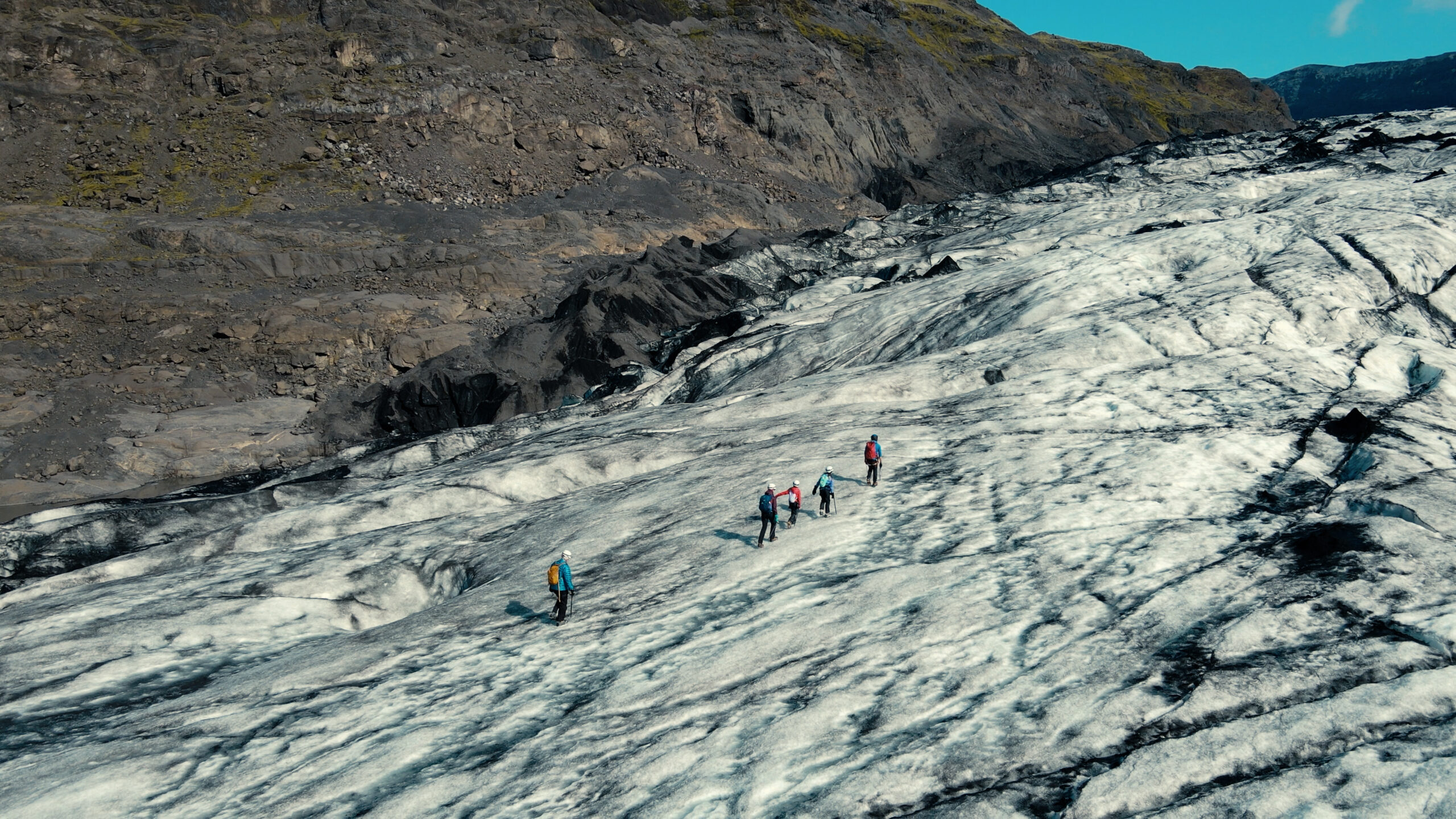
Sólheimajökull Glacier is one of the most accessible glaciers in Iceland. Located along the South Coast, it’s relatively easy to reach from Reykjavik and offers dramatic scenery with deep crevasses, volcanic ash layers, and beautiful blue ice formations.

Because of its accessibility and manageable terrain, Sólheimajökull is one of the best places for a first glacier hike tour.

Further east lies Vatnajökull, which covers about 8% of Iceland’s entire landmass. It is the largest glacier in Europe and feeds numerous outlet glaciers throughout the region.

Vatnajökull is famous for its massive ice fields, ice caves, glacier lagoons and remote glacier hiking routes.

While Vatnajökull offers some of Iceland’s most spectacular glacier landscapes, many visitors choose Sólheimajökull for their first glacier hiking experience because it is easier to access and ideal for guided tours.

Join a Glacier Hike tour! 

A glacier hike tour is one of the most memorable activities you can do in Iceland. Walking across ancient ice, exploring crevasses, and seeing blue ice formations up close offers a completely different perspective on the country’s dramatic landscapes.

With professional guides, proper safety equipment, and accessible glaciers like Sólheimajökull, glacier hiking is safe, exciting, and suitable for beginners.

Whether you’re visiting the South Coast for waterfalls, black sand beaches, or volcanoes, adding a glacier hike in Sólheimajökull to your itinerary is an adventure you’ll remember long after your trip to Iceland ends.

More from our blog

Things to Do in Vík in September

Explore Vík in September with black sand beaches, glaciers, Northern Lights, hikes and adventure tours before winter arrives.

10 Tips Before Your Trip to Iceland in Summer

10 essential tips for first-time travelers in Iceland: packing, driving, tours, activities, and summer must-see attractions.

5 Things You Should Know Before Doing a Glacier Hike Tour in Iceland

If you are planning to do a glacier hike in Iceland, you should know few things before. Ready to start this adventure?

Things to Do in Iceland During the Winter

Discover different things to do in Iceland this winter. Northern Lights, Waterfalls, Ice Caves, Glacier Hikes… A lot to do!

Northern Lights Forecast in Iceland: How to Read and Use It

How to read the northern lights forecast in Iceland and use it to see the aurora during your trip.

Christmas in Iceland: How We Celebrate Christmas

Learn how Iceland celebrates Christmas and New Year’s Eve with traditions, Yule Lads, markets, and magical winter experiences.

How is the Weather in Iceland in Winter?

Learn what Iceland’s winter is really like: weather, driving tips, clothing and the best activities for a safe and magical trip.

Strongest in Iceland Award 2025

Proud to be among the Strongest in Iceland 2025—our second year in a row! Thank you to our amazing team and travelers.

Northern Lights in Iceland: When, Where and How to See Them

Find out when and where to see the Northern Lights in Iceland, plus tips to plan your perfect aurora adventure.

Our Private Tours in Iceland

Experience Iceland private tours in Katlatrack: buggy rides, glacier hikes, and super jeep adventures led by expert local guides.

Things to Do in Iceland During the Winter

Things to Do in Iceland During the Winter

Things to Do in Iceland During the Winter

If you are wondering about the best things to do in Iceland during winter, the south coast is the ideal region to explore. It offers easy access from Reykjavík, well-maintained roads, and a wide variety of natural attractions and activities, all while avoiding the harsher winter conditions often found in the North and East.

This guide focuses on winter experiences between Reykjavík and Höfn (and slightly beyond), highlighting activities, natural sights, and unique tours that allow you to enjoy Iceland safely and fully during the colder months.

Why Winter Is a Great Time to Visit Iceland

Winter in Iceland usually runs from November to March. During these months, daylight hours are shorter, but the landscapes become more dramatic. Glaciers glow blue, waterfalls freeze into sculptures of ice, and volcanic beaches contrast sharply with snow-covered mountains.

Another advantage of winter travel is the reduced number of visitors. Popular places feel calmer, photography is easier, and many tours become more personal. Road conditions along the south coast are generally manageable, especially compared to more remote regions.

For travelers planning their first winter trip and looking for things to do in Iceland, staying along the south coast is often the smartest choice.

Explore Ice Caves: A True Winter-Only Experience

Ice caves are one of the most iconic winter activities in Iceland. These natural formations appear inside glaciers when meltwater freezes again, creating tunnels and chambers of blue ice mixed with volcanic ash.

Katla Ice Cave

The Katla Ice Cave, located beneath the Mýrdalsjökull glacier near Vík, is one of the few ice caves accessible throughout the winter season. Katla offers a reliable and safe experience when visited with certified guides.

A private ice cave tour allows visitors to explore at a slower pace, ideal for families or photographers. A buggy ice cave tour adds an adventurous element, combining off-road driving across black sand deserts with glacier exploration.

Ice caves are often considered one of the top things to do in Iceland in winter, and Katla is one of the best places to experience them.

Blue ice cave Iceland

Glacier Hikes: Walk on Ice in South Iceland

Winter is an excellent time for glacier hiking. Cold temperatures stabilize the ice, and the snow highlights crevasses and ice formations.

Sólheimajökull Glacier

Located between Vík and Skógafoss, Sólheimajökull is one of the most accessible glaciers from Reykjavík. Guided glacier hikes here take you onto the ice, where you can see deep crevasses, ice ridges, and frozen meltwater channels.

Glacier hiking is both educational and adventurous. Guides explain how glaciers move, how climate affects them, and how volcanic activity shapes the ice. For many visitors, this is their first time walking on a glacier, making it a memorable winter highlight.

Vatnajökull Glacier

Farther east, Vatnajökull is Europe’s largest glacier and one of Iceland’s most iconic natural landmarks. In winter, parts of this massive ice cap become accessible for glacier hikes and ice cave experiences, known for their striking blue ice and wide, open landscapes.

Hiking near Vatnajökull offers a more remote feeling compared to Sólheimajökull, with vast icy views and dramatic surroundings. It’s a great option for travelers heading farther along the South Coast who want to experience Iceland’s glaciers on a bigger scale.

Waterfalls in Winter: Frozen Power and Beauty

The south coast is famous for its waterfalls, and winter gives them an entirely different character.

Seljalandsfoss

In winter, Seljalandsfoss partially freezes, creating massive ice formations around the falling water. The path behind the waterfall is usually closed for safety, but the view from the front is still spectacular.

Skógafoss

Skógafoss remains powerful year-round. In winter, ice builds up along its edges, and on sunny days, rainbows sometimes appear even in freezing temperatures.

Gljúfrabúi and Hidden Falls

Smaller waterfalls near Seljalandsfoss become icy sculptures, often overlooked in winter but well worth a short stop.

Visiting waterfalls is one of the easiest and most rewarding things to do in Iceland during winter, especially along the south coast where access remains good.

Black Sand Beach: Dramatic Winter Landscapes

Iceland’s black sand beaches look even more dramatic in winter. Snow dusts the volcanic sand, and waves crash powerfully against the shore.

Reynisfjara: Iceland’s Most Famous Black Sand Beach

Reynisfjara is without a doubt Iceland’s most famous black sand beach. Located just outside the village of Vík, this volcanic shoreline is known for its striking contrast between deep black sand, towering basalt columns, and the raw power of the Atlantic Ocean.

The beach is framed by massive hexagonal basalt formations that rise like organ pipes from the cliffs, along with a natural sea cave carved by centuries of wind and waves. Just offshore, the iconic Reynisdrangar sea stacks stand tall in the ocean, wrapped in local legends about trolls turned to stone at sunrise.

But Reynisfjara is not only beautiful, it is also one of the most dangerous beaches in the world.

The Power of the Sneaker Waves

What makes Reynisfjara especially hazardous are its “sneaker waves.” These are unpredictable, powerful waves that can suddenly surge much farther up the beach than expected. Unlike regular waves, sneaker waves arrive without warning and can easily knock people off their feet or pull them toward the ocean.

The currents here are extremely strong, and once someone is caught in the water, rescue becomes very difficult. Every year, accidents happen because visitors underestimate the force of the sea or get too close while taking photos.

Essential Safety Tips When Visiting Reynisfjara

When exploring Reynisfjara, safety must always come first:

  • Stay well away from the waterline and never turn your back on the ocean.
  • Follow the warning lights at the beach entrance (green, yellow, or red), which indicate current danger levels.
  • Never climb on wet rocks or basalt columns near the shore.
  • Supervise children closely and avoid visiting during storms or high winds.

Vík and the South Coast Beaches

Near Vík, you can explore wide black sand beaches with views of Reynisdrangar sea stacks and towering cliffs. Winter storms make the ocean especially impressive, but caution is essential due to strong sneaker waves.

A Black Beach Buggy tour offers a unique way to experience this landscape. Driving across the volcanic sand provides access to quieter areas and viewpoints that are not reachable on foot.

Black sand beaches are among the most photographed and unforgettable things to do in Iceland, regardless of season.

Super Jeep Adventures into Wild Terrain

Winter limits access to some highland areas, but Super Jeeps make it possible to explore rough terrain safely.

Þórsmörk Super Jeep Tour

Þórsmörk is a legendary valley surrounded by glaciers and mountains. In winter, reaching it requires river crossings, snow driving, and experienced guides.

A Super Jeep tour to Þórsmörk offers dramatic winter scenery, frozen rivers, and views of glaciers that few travelers get to see. This is an ideal option for those who want an off-the-beaten-path experience without driving themselves.

Northern Lights: Winter Nights in Iceland

One of the most popular things to do in Iceland during winter is chasing the northern lights. The south coast offers excellent opportunities thanks to low light pollution and open skies.

Areas around Vík, between waterfalls, glaciers, and beaches, are particularly good when conditions are right. While the aurora is never guaranteed, winter provides the darkness needed to see it.

Combining daytime adventures with evening aurora hunting is one of the best ways to structure a winter trip.

Cultural and Indoor Experiences in the South

Winter weather can be unpredictable, so mixing outdoor activities with indoor attractions is a smart travel strategy.

Lava Show in Vík

The Lava Show offers a rare chance to see real molten lava flowing indoors. It explains Iceland’s volcanic nature in an engaging and safe way, making it perfect for winter afternoons.

Lava Centre in Hvolsvöllur

Located along the south coast, the Lava Centre is an interactive exhibition about Iceland’s volcanic systems, earthquakes, and tectonic forces. It provides valuable context for the landscapes you see outside.

These cultural stops add depth to your journey and are great additions to your list of things to do in Iceland during winter.

Horse Riding in Winter Landscapes

Icelandic horses are known for their strength and calm temperament, making winter riding possible and enjoyable. Short rides near Vík or along the south coast allow you to experience snowy landscapes at a slow, peaceful pace.

Riding through lava fields or along open plains with snow-covered mountains in the background is a uniquely Icelandic winter experience.

Hot Springs and Warm Pools

Winter is the perfect time to enjoy hot water outdoors. While the Blue Lagoon is famous, there are many other options along the south coast.

Local swimming pools in towns like Vík and Hvolsvöllur offer warm geothermal water, hot tubs, and saunas. Some natural hot springs may also be accessible depending on conditions.

Soaking in warm water while surrounded by cold air is one of the simplest yet most rewarding things to do in Iceland in winter.

Driving the South Coast in Winter

The south coast is one of the safest regions for winter driving in Iceland. Roads between Reykjavík and Höfn are regularly maintained, and services are available along the route.

Still, winter driving requires preparation. Check road conditions daily, allow extra time, and avoid driving at night if conditions are poor. Alternatively, guided tours remove the stress of winter driving entirely.

Why the South Coast Is Ideal for Winter Travel

By focusing your winter trip on the south of Iceland, you reduce risks while maximizing experiences. You can reach glaciers, waterfalls, beaches, ice caves, and cultural attractions without venturing into the most extreme winter conditions.

This balance makes the south coast perfect for travelers searching for unforgettable things to do in Iceland during winter, whether it is your first visit or a return trip.

Winter in Iceland is not about doing less. It is about doing things differently. From ice caves and glacier hikes to waterfalls, black sand beaches, and Super Jeep adventures, the south coast offers a wide range of experiences that are both exciting and accessible.

By staying flexible, choosing the right region, and mixing outdoor adventure with cultural stops, you can create a winter itinerary that feels rich, safe, and deeply memorable.

If you are planning a winter journey and wondering about the best things to do in Iceland, the answer is clear: embrace the season, explore the south, and let Iceland’s winter landscapes show you their most powerful side.

More from our blog

Things to Do in Vík in September

Explore Vík in September with black sand beaches, glaciers, Northern Lights, hikes and adventure tours before winter arrives.

10 Tips Before Your Trip to Iceland in Summer

10 essential tips for first-time travelers in Iceland: packing, driving, tours, activities, and summer must-see attractions.

5 Things You Should Know Before Doing a Glacier Hike Tour in Iceland

If you are planning to do a glacier hike in Iceland, you should know few things before. Ready to start this adventure?

Things to Do in Iceland During the Winter

Discover different things to do in Iceland this winter. Northern Lights, Waterfalls, Ice Caves, Glacier Hikes… A lot to do!

Northern Lights Forecast in Iceland: How to Read and Use It

How to read the northern lights forecast in Iceland and use it to see the aurora during your trip.

Christmas in Iceland: How We Celebrate Christmas

Learn how Iceland celebrates Christmas and New Year’s Eve with traditions, Yule Lads, markets, and magical winter experiences.

How is the Weather in Iceland in Winter?

Learn what Iceland’s winter is really like: weather, driving tips, clothing and the best activities for a safe and magical trip.

Strongest in Iceland Award 2025

Proud to be among the Strongest in Iceland 2025—our second year in a row! Thank you to our amazing team and travelers.

Northern Lights in Iceland: When, Where and How to See Them

Find out when and where to see the Northern Lights in Iceland, plus tips to plan your perfect aurora adventure.

Our Private Tours in Iceland

Experience Iceland private tours in Katlatrack: buggy rides, glacier hikes, and super jeep adventures led by expert local guides.

Northern Lights Forecast in Iceland: How to Read and Use It

Northern Lights Forecast in Iceland: How to Read and Use It

Northern Lights Forecast in Iceland: How to Read and Use It

A good aurora forecast helps you know when the lights might appear, where your chances are highest, and how to avoid the most common mistake: showing up on a cloudy night.

In this guide, you’ll learn exactly how to read the Northern Lights Iceland forecast, how to use the main tools like KP index and cloud maps, and how to plan your evening like a pro. Whether you’re traveling along the south coast, staying in Reykjavík, or exploring Iceland’s north, this article gives you everything you need to maximize your chances of witnessing the aurora.

What Is the Aurora and How It Works (Explained Simply)

The Northern Lights—also known as the aurora borealis—happen when charged particles from the sun collide with the Earth’s atmosphere. This creates green, pink, purple, and even red dancing lights in the sky.

You don’t need a perfect scientific explanation to enjoy the aurora, but here are the basics you should remember:

  • The sun sends out bursts of energy.
  • When these particles reach Earth, they follow magnetic fields toward the poles.
  • As they enter the atmosphere, they light up the sky.

The stronger the solar activity, the stronger the aurora. But even low-level activity can produce visible lights in Iceland—if the sky is dark and clear. That’s why learning how to read the forecast matters more than anything else.

KP Index – What It Means and What Numbers to Look For

The KP index is a global scale that measures geomagnetic activity. It ranges from 0 to 9:

  • KP 0–1 → Weak. Low chance, visible mostly with cameras.
  • KP 2–3 → Moderate. Good chance almost anywhere dark.
  • KP 4–5 → Strong. Good show, visible widely.
  • KP 6+ → Storm-level. Rare geomagnetic storms.

In many countries you need a high KP index to see the aurora. Iceland is different. Thanks to its high latitude, you can often see auroras with:

Important:
A high KP index doesn’t matter if the sky is covered in clouds. That’s why Icelanders pay more attention to cloud cover than KP numbers.

Cloud Cover – The Most Important Part of the Northern Lights Forecast

In Iceland, cloud cover is the true key to seeing the Northern Lights.

You could have a very strong aurora (KP 5 or higher), but if the sky is cloudy, you won’t see anything. The Icelandic weather office provides a detailed cloud map showing:

  • Low clouds
  • Mid-level clouds
  • High clouds

Green areas mean clouds, and white areas mean clear skies. Always look for white patches at your location or nearby, especially where the wind direction might push the clouds away.

How to read the Iceland cloud map correctly:

  1. Look at your location (Reykjavík, Vík, Akureyri, etc.).
  2. Look for pockets of clear sky nearby.
  3. Notice wind direction—clouds move fast in Iceland.
  4. Compare with aurora activity like KP index.
  5. Choose the clearest sky within your driving range.

Clouds often clear in unexpected places, especially inland valleys or coastal gaps. This is why even on a “cloudy night,” locals still go out—because Icelandic weather changes fast.

Best Websites and Apps for Real-Time Forecasts

Here are the main tools Icelanders use daily:

1. Vedur.is (Icelandic Meteorological Office)

The most reliable and most used site. It shows:

  • Cloud cover map
  • Aurora activity
  • Wind and temperature

It’s the official forecast used by tour companies, guides, and locals. Use Vedur.is for cloud cover in Iceland and combine it with any KP app you prefer. That’s the winning formula.

2. Aurora Forecast (App)

Great for quick checks:

  • KP index
  • Probability percentage
  • Solar activity alerts

Not Iceland-specific, but useful for travelers.

3. Hello Aurora

For those who love to share and help the community. 

  • Share and check real-time Northern Lights.
  • Photos and alerts.
  • Map to check if it is close to you.

Excellent to not miss any good aurora.

How to Use the Northern Lights Forecast Tonight (Step-by-Step)

Here is a simple and practical guide you can use every night of your trip:

Step 1: Check the Cloud Map

Go to Vedur.is and look at cloud cover first.

  • Find your location on the map.
  • Search for the nearest white (clear) area.

Step 2: Check the Aurora Activity

You can use:

  • Vedur’s aurora forecast
  • Aurora Forecast app
  • Space Weather Live

Look at:

  • KP index
  • Solar wind speed
    General activity level

Even low KP is enough in Iceland if the sky is clear.

Step 3: Choose Your Spot

Pick a place with:

  • Clear sky
  • Darkness (away from street lights)
  • A good northern horizon (mountains can block the view)

Step 4: Give Yourself Time

Auroras come in waves. Sometimes they appear for 2 minutes, disappear for 20, then come back stronger.

Plan to stay out at least one hour.

Step 5: Be Patient and Enjoy the Night

Many travelers give up early. The most incredible shows often happen:

  • After midnight
  • When the forecast looks “low”
  • When skies momentarily open

Locals know: if the sky clears, the aurora often shows up.

A Subtle Note About Tours (Optional but Helpful)

If the forecast looks complicated or you don’t want to drive at night, a guided northern lights tour is a great option. Local guides know where the skies tend to open and follow the real-time forecast throughout the night. However, tours cannot guarantee auroras—they simply improve your chances.

Final Tips and Summary

The northern lights forecast is the most important tool you have when aurora hunting in Iceland. While many travelers focus only on the KP index, the real secret lies in reading cloud cover, watching conditions shift, and being flexible with your plans.

Remember these key points:

  • KP 1 or 2 is often enough in Iceland.
  • Clear sky matters more than high KP.
  • Vedur.is is the most accurate cloud map for the country.
  • Stay out at least one hour—auroras come in waves.
  • Be patient, move a little if needed, and follow the clear sky pockets.


Whether you’re watching from Reykjavík, exploring the south coast, or traveling across north Iceland, the aurora will reward those who understand the forecast and know how to use it.

With the right tools, a little knowledge, and some patience, you’ll give yourself the best possible chance to experience one of the world’s most breathtaking natural wonders.

More from our blog

Things to Do in Vík in September

Explore Vík in September with black sand beaches, glaciers, Northern Lights, hikes and adventure tours before winter arrives.

10 Tips Before Your Trip to Iceland in Summer

10 essential tips for first-time travelers in Iceland: packing, driving, tours, activities, and summer must-see attractions.

5 Things You Should Know Before Doing a Glacier Hike Tour in Iceland

If you are planning to do a glacier hike in Iceland, you should know few things before. Ready to start this adventure?

Things to Do in Iceland During the Winter

Discover different things to do in Iceland this winter. Northern Lights, Waterfalls, Ice Caves, Glacier Hikes… A lot to do!

Northern Lights Forecast in Iceland: How to Read and Use It

How to read the northern lights forecast in Iceland and use it to see the aurora during your trip.

Christmas in Iceland: How We Celebrate Christmas

Learn how Iceland celebrates Christmas and New Year’s Eve with traditions, Yule Lads, markets, and magical winter experiences.

How is the Weather in Iceland in Winter?

Learn what Iceland’s winter is really like: weather, driving tips, clothing and the best activities for a safe and magical trip.

Strongest in Iceland Award 2025

Proud to be among the Strongest in Iceland 2025—our second year in a row! Thank you to our amazing team and travelers.

Northern Lights in Iceland: When, Where and How to See Them

Find out when and where to see the Northern Lights in Iceland, plus tips to plan your perfect aurora adventure.

Our Private Tours in Iceland

Experience Iceland private tours in Katlatrack: buggy rides, glacier hikes, and super jeep adventures led by expert local guides.