How is the Weather in Iceland in Winter?

How is the Weather in Iceland in Winter?

How is the Weather in Iceland in Winter?

A Complete Guide to Temperatures, Storms, Road Closures & Winter Driving

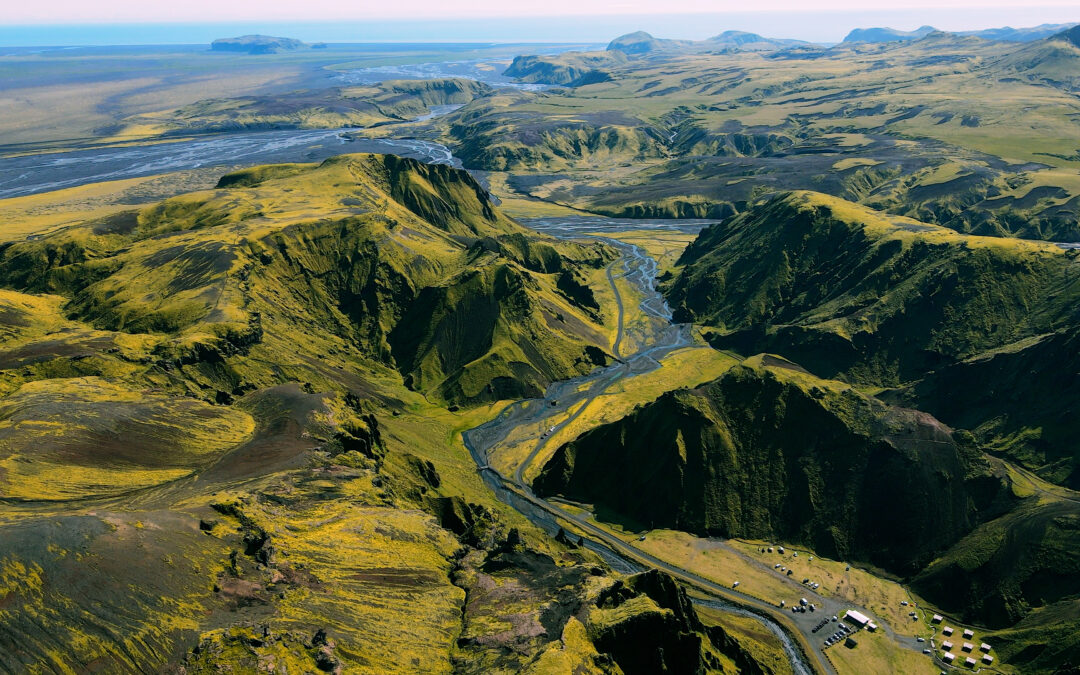
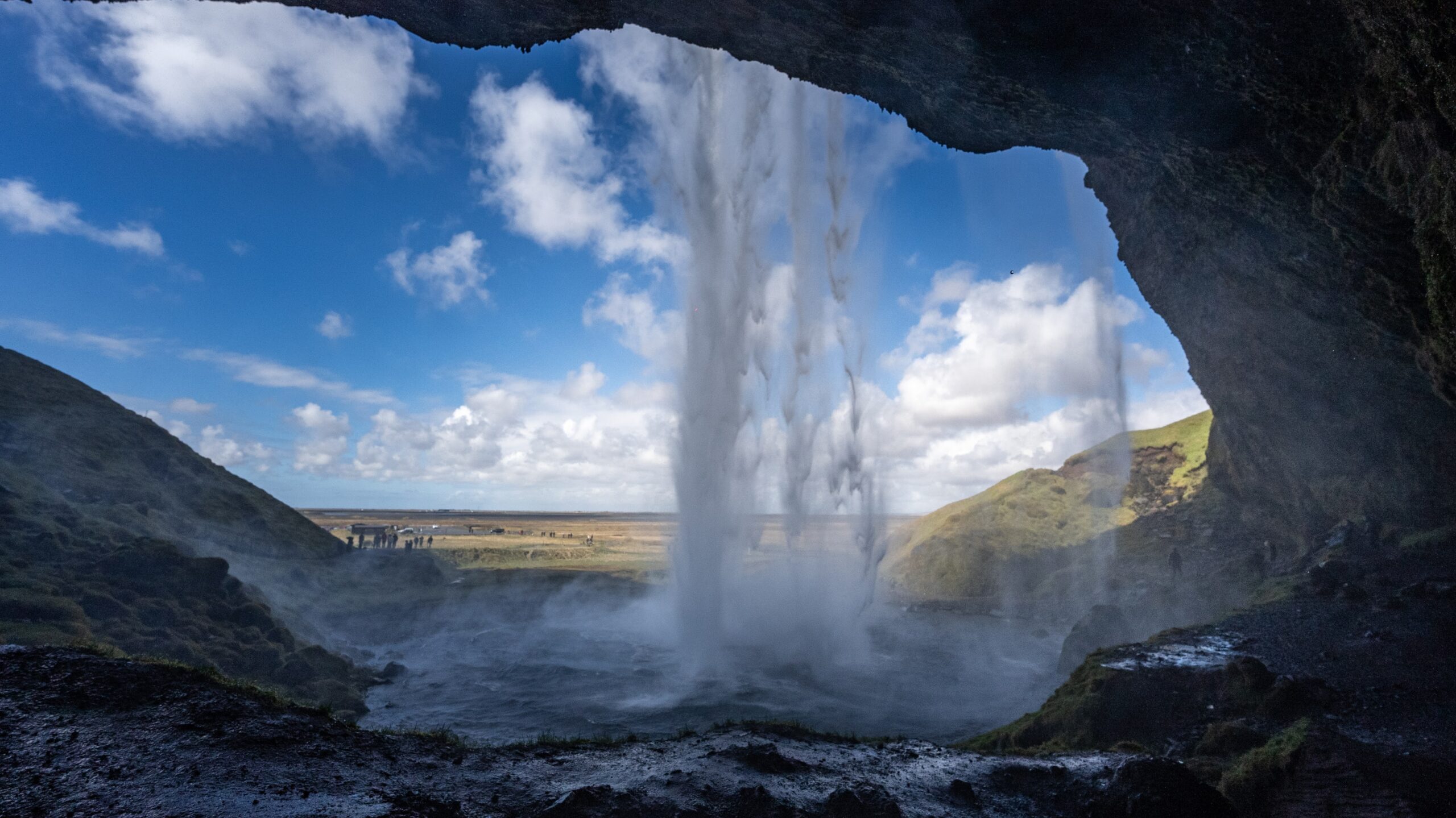
Winter in Iceland is one of the most fascinating seasons of the year. For many travelers, it’s the moment when the country feels most magical: snowy landscapes, long nights illuminated by the northern lights, frozen waterfalls, steaming geothermal pools and a type of calm that only the Arctic can offer.
But winter is also the time when Iceland shows its wildest and most unpredictable side. Travelers search for information constantly — iceland weather winter, iceland weather in December, iceland winter driving — trying to understand what to expect before stepping into the land of ice and fire.

Understanding Iceland’s Winter Weather

When is winter in Iceland?

In Iceland, winter runs roughly from late October to early April, although snowy conditions can appear earlier or extend later. December, January and February are the coldest, darkest months, with limited daylight and frequent storms.

Despite its name, Iceland is not as brutally cold as many imagine. Thanks to the Gulf Stream, temperatures remain milder than in other northern regions. However, weather changes extremely fast — sometimes several times an hour — and wind can make even mild temperatures feel much colder.

Typical Winter Temperatures

Travelers often search for iceland weather in December, expecting extreme cold, but the reality is more nuanced:

  • Coastline (Reykjavík, Vík, South Coast):
    Temperatures usually range from -3°C to +5°C (26°F to 41°F).
  • North Iceland (Akureyri, Mývatn):
    Slightly colder, often -10°C to 0°C (14°F to 32°F).
  • Highlands:
    Closed in winter and far colder, often -20°C (-4°F) or below.

Temperatures alone don’t tell the whole story. The real challenge is the combination of wind, snow, sleet and icy roads, which can turn a calm morning into a stormy afternoon without warning.

Snow, Rain and Everything in Between

Winter precipitation in Iceland can take many forms. Snow is common, but the coastal climate also brings sleet, freezing rain, hail or snow that melts and refreezes repeatedly.

This creates constantly changing road conditions, which is why winter driving requires extra caution.

In South Iceland, including Vík, the weather is often wetter than in the north. Snow may fall, melt, and fall again within hours, making the landscape unpredictable.

Icelandic Wind: The True Winter Challenge

If there is one element visitors underestimate, it’s the wind.

During the heart of winter, wind gusts of 20–30 m/s (45–67 mph) are not unusual, and storms can reach even higher speeds. This makes wind the main factor behind weather warnings and road closures.

Understanding this is essential when planning a winter road trip. Many days remain calm and beautiful, but when Iceland issues a warning, it must be taken seriously. Locals respect the wind — and visitors should do the same.

Daylight Hours in Icelandic Winter

One of the unique aspects of winter in Iceland is the limited daylight.

  • December:  Only 4–5 hours of daylight (depending on the region)
  • January:  About 6–7 hours
  • February:  Around 8–10 hours
  • March:  Days get significantly longer


These short days influence travel plans, photography opportunities, and driving schedules.

The upside?
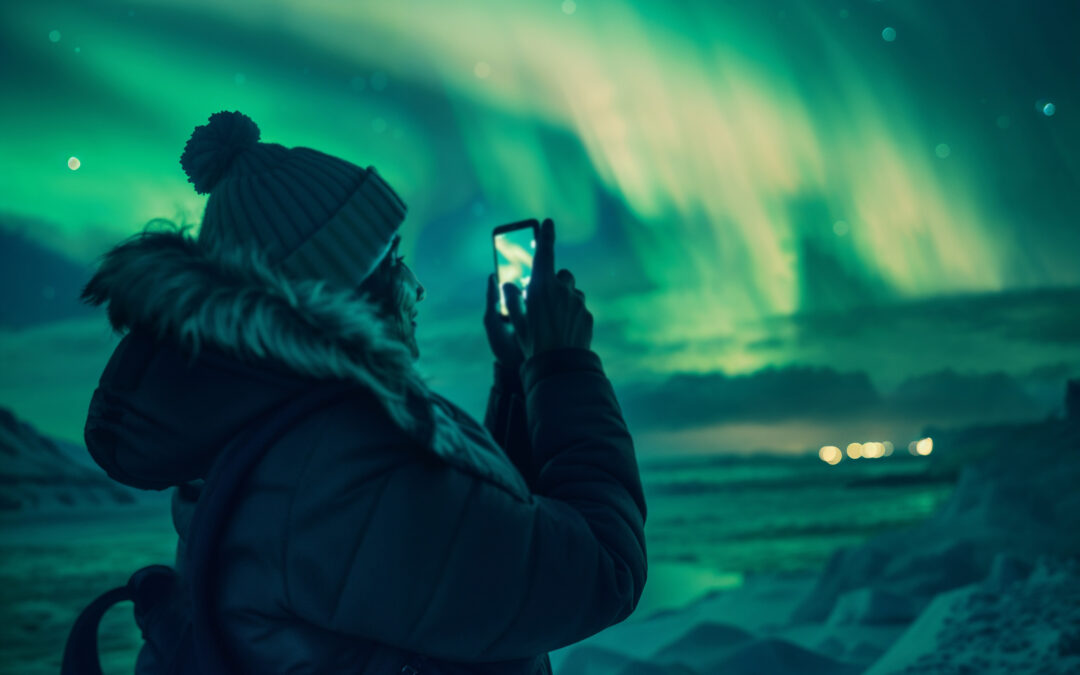
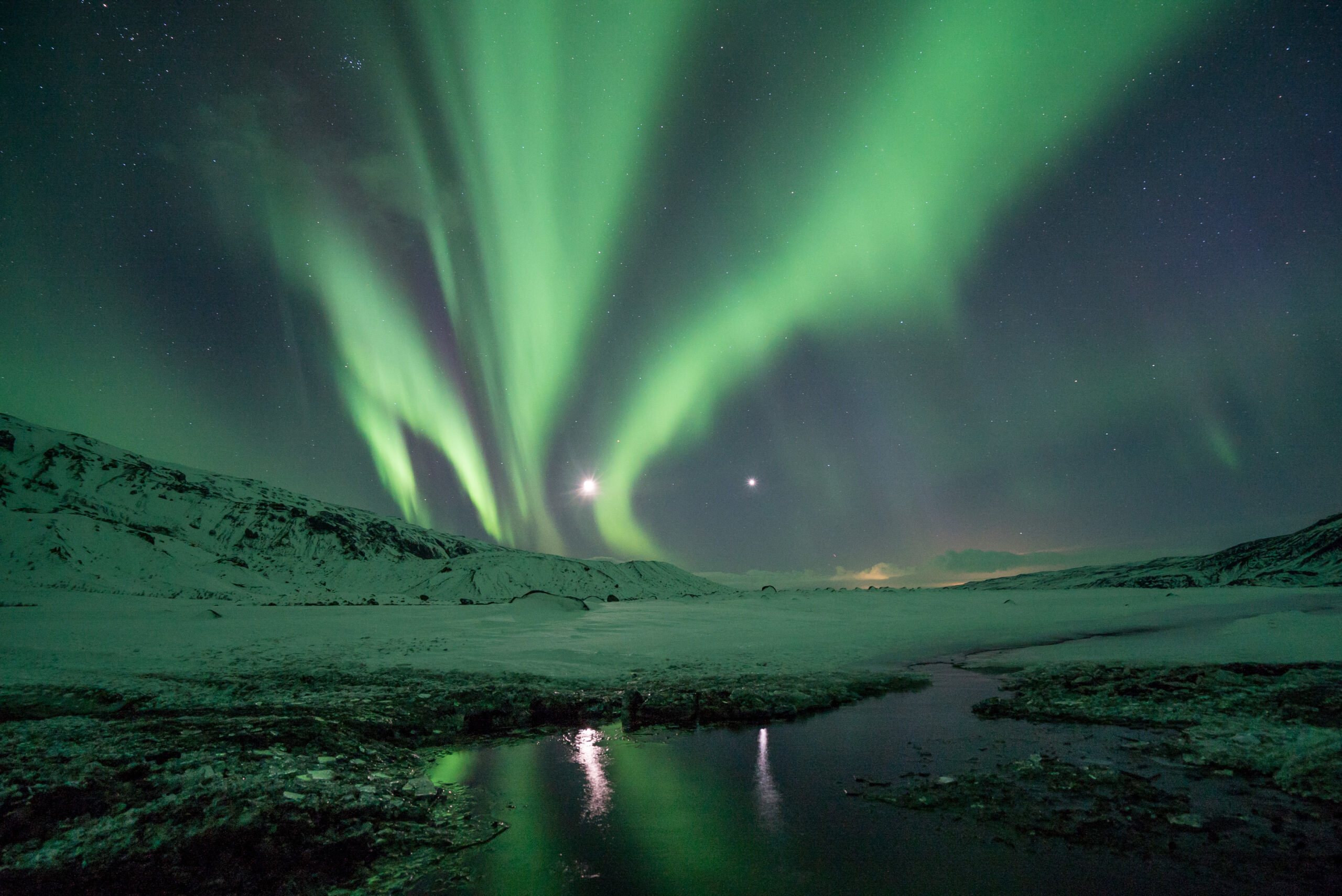
Long nights increase the chances of seeing the Northern Lights, making winter the best season for aurora hunters.

Road Conditions and Closures in Winter

Winter in Iceland affects not just the weather but also the country’s infrastructure. Many travelers don’t realize how common — and normal — winter road closures are.

Why Roads Close

Roads may close due to heavy snowfall, strong winds, poor visibility, ice storms, avalanches or flooding, mostly. 

Even major roads can be affected. For example, Route 1 (the Ring Road) between Vík and Höfn sometimes closes due to wind and sandstorms, while parts around Mývatn can close because of snow.

The Highlands, including famous roads like F-roads leading to Landmannalaugar or Þórsmörk, are fully closed from October to June. Only Super Jeeps with special modifications can access certain areas.

How to Check Road Conditions

Before driving anywhere in winter, always check:

  • Road.is – real-time road conditions and closures
  • Safetravel.is – travel alerts and safety recommendations
  • Vedur.is – weather forecasts and warnings

These websites are essential tools for winter travel. Icelanders use them daily — visitors should do the same.

Driving in Iceland in Winter

The search term iceland winter driving spikes every year from October onward. For good reason: driving conditions can be challenging, but with preparation, they can be managed safely.

What to Expect on Winter Roads

Drivers may encounter snow-covered roads, black ice, limited visibility, sudden whiteouts, slush or strong crosswinds.

Even on the Ring Road, conditions can change in minutes.

General Tips for Safe Winter Driving

  1. Rent a 4×4 vehicle.  Small cars struggle in winter conditions, especially outside Reykjavík.
  2. Drive slower than you think you need to.  Speed limits assume good conditions, which are rare in winter.
  3. Avoid driving in storms or warnings.  If Iceland issues a yellow, orange or red alert, don’t drive.
  4. Use headlights at all times.  It’s the law,  and visibility is often low.
  5. Keep extra time in your schedule.  A 2-hour journey in summer can take 4 hours in winter.
  6. Do not stop in the middle of the road.  Snow banks often hide the edge; stopping can be dangerous.
  7. Refuel more often.  Gas stations are scarce in remote areas.

What to Wear in Iceland in Winter

Understanding Iceland’s winter weather is one thing — dressing for it is another. Winter in Iceland is less about extreme cold and more about staying dry, warm and protected from wind.

Layering is Essential

The best winter outfit includes three layers:

1. Base Layer (thermal underwear). Merino wool or synthetic materials keep you dry and warm.

2. Mid Layer. A fleece or lightweight down jacket adds insulation.

3. Outer Layer. A waterproof and windproof jacket protects you from rain, snow and strong winds. Cotton is not recommended — once wet, it stays cold.

Other Essential Winter Items

  • Waterproof pants
  • Beanie, scarf or buff
  • Insulated gloves
  • Warm socks (preferably wool)
  • Waterproof boots with good grip
  • Crampons or micro-spikes for icy paths

The idea is simple: dress like you’re going hiking in bad weather, even if you’re just walking around town.

Winter Activities in Iceland: What you can do during Winter

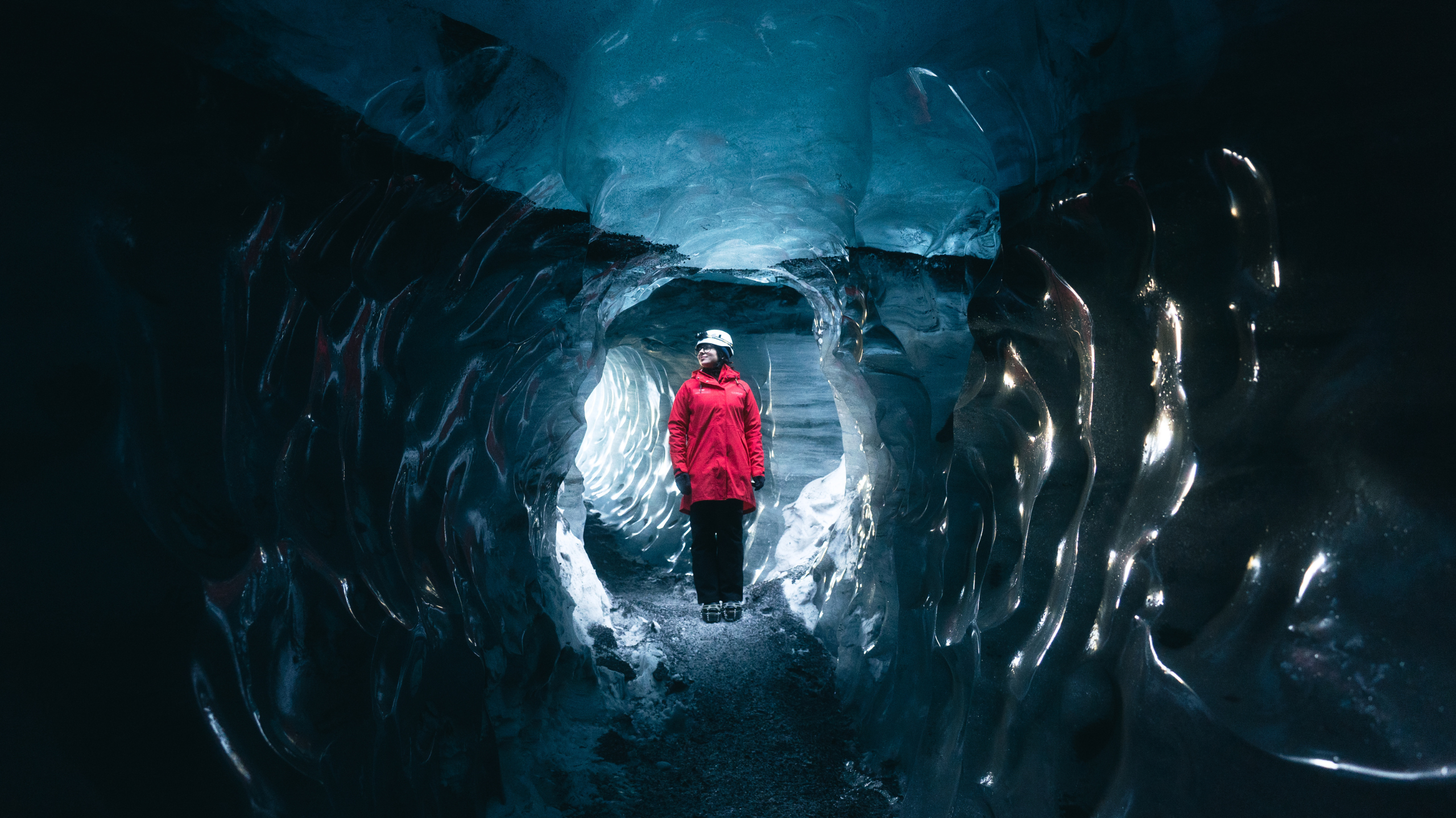
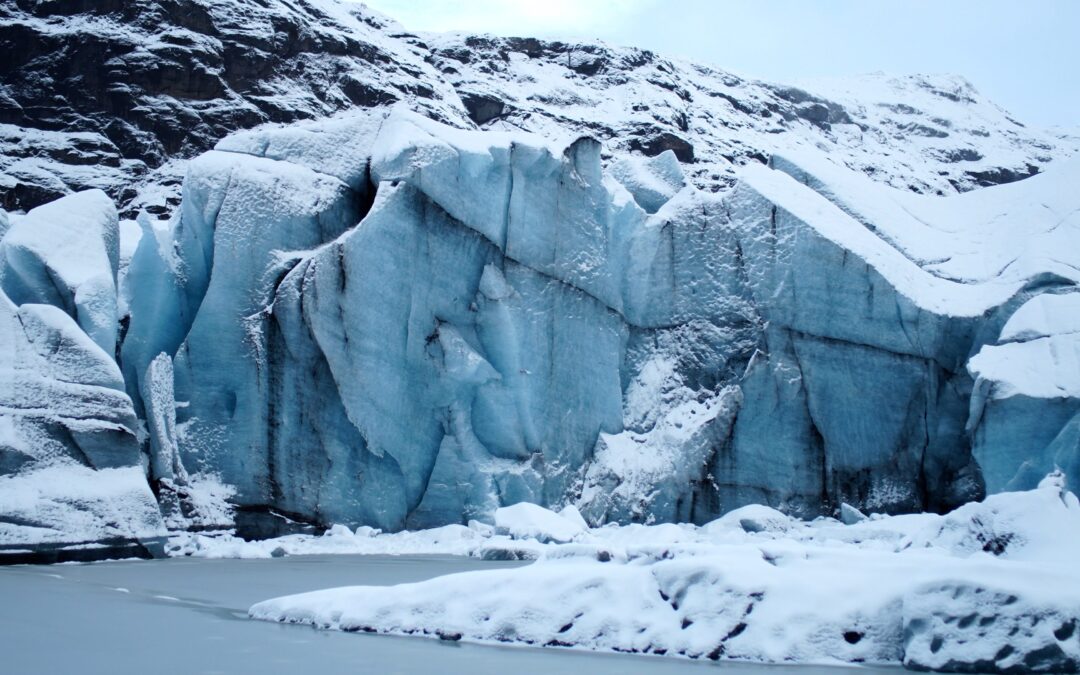
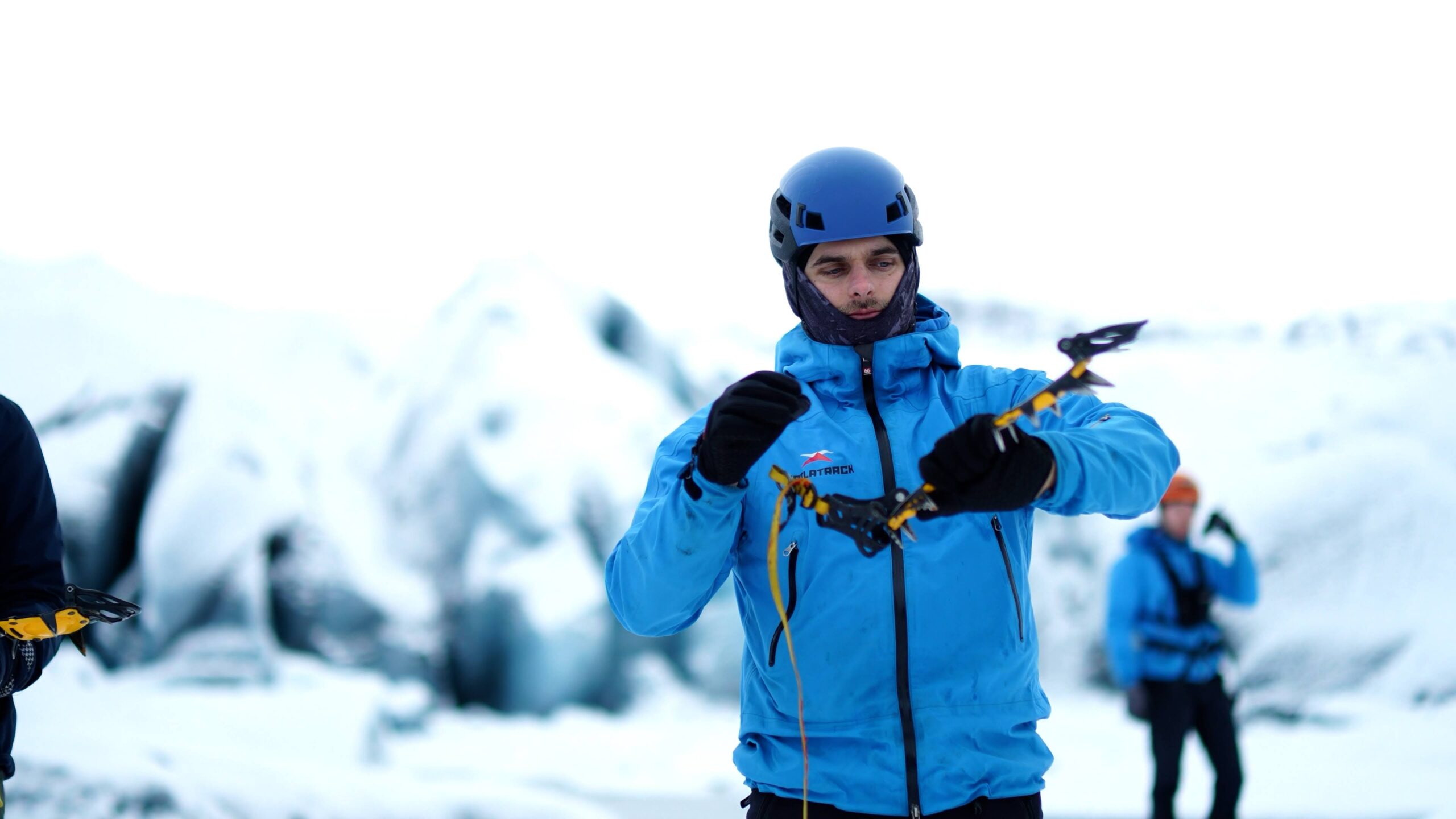
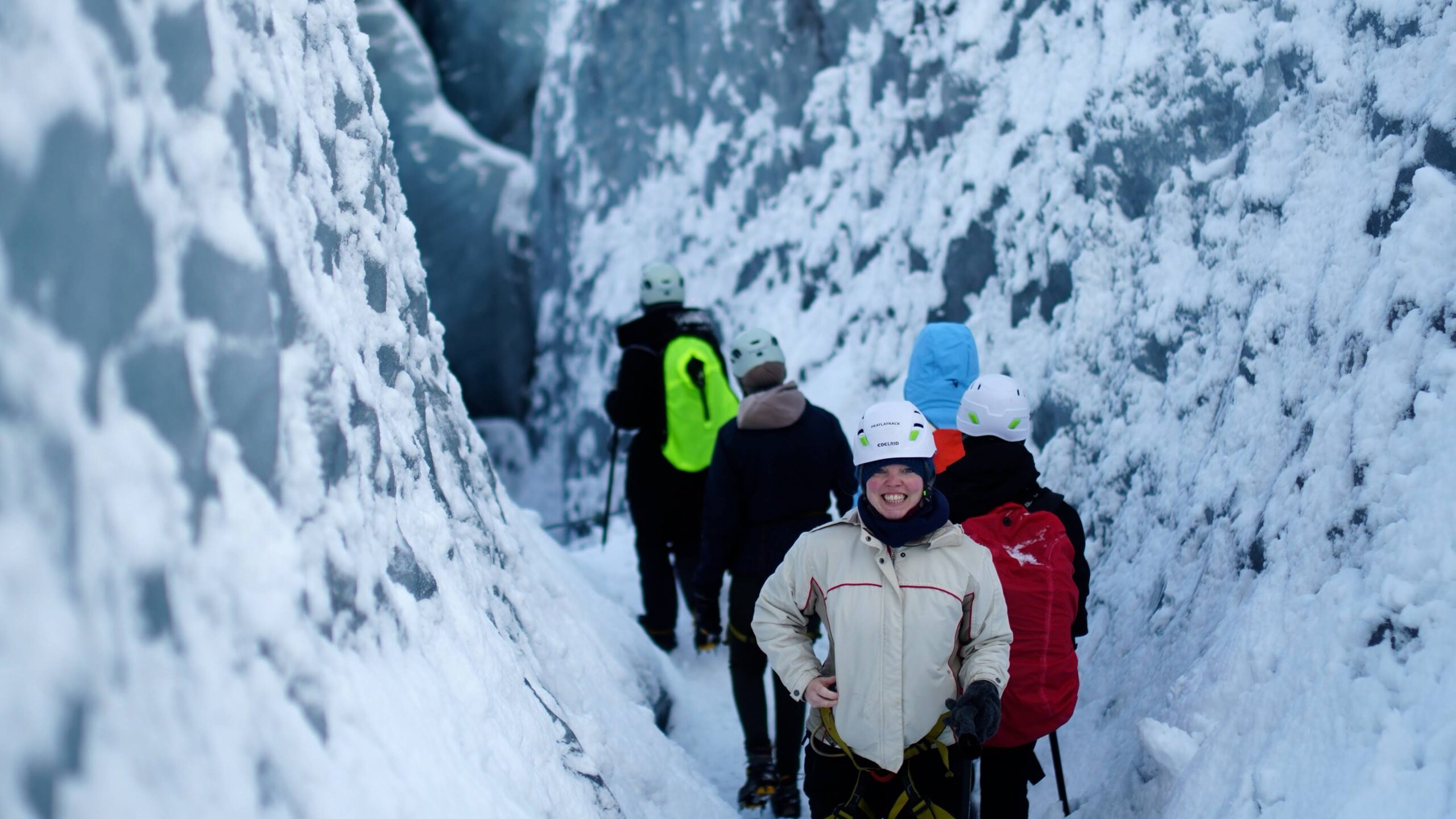
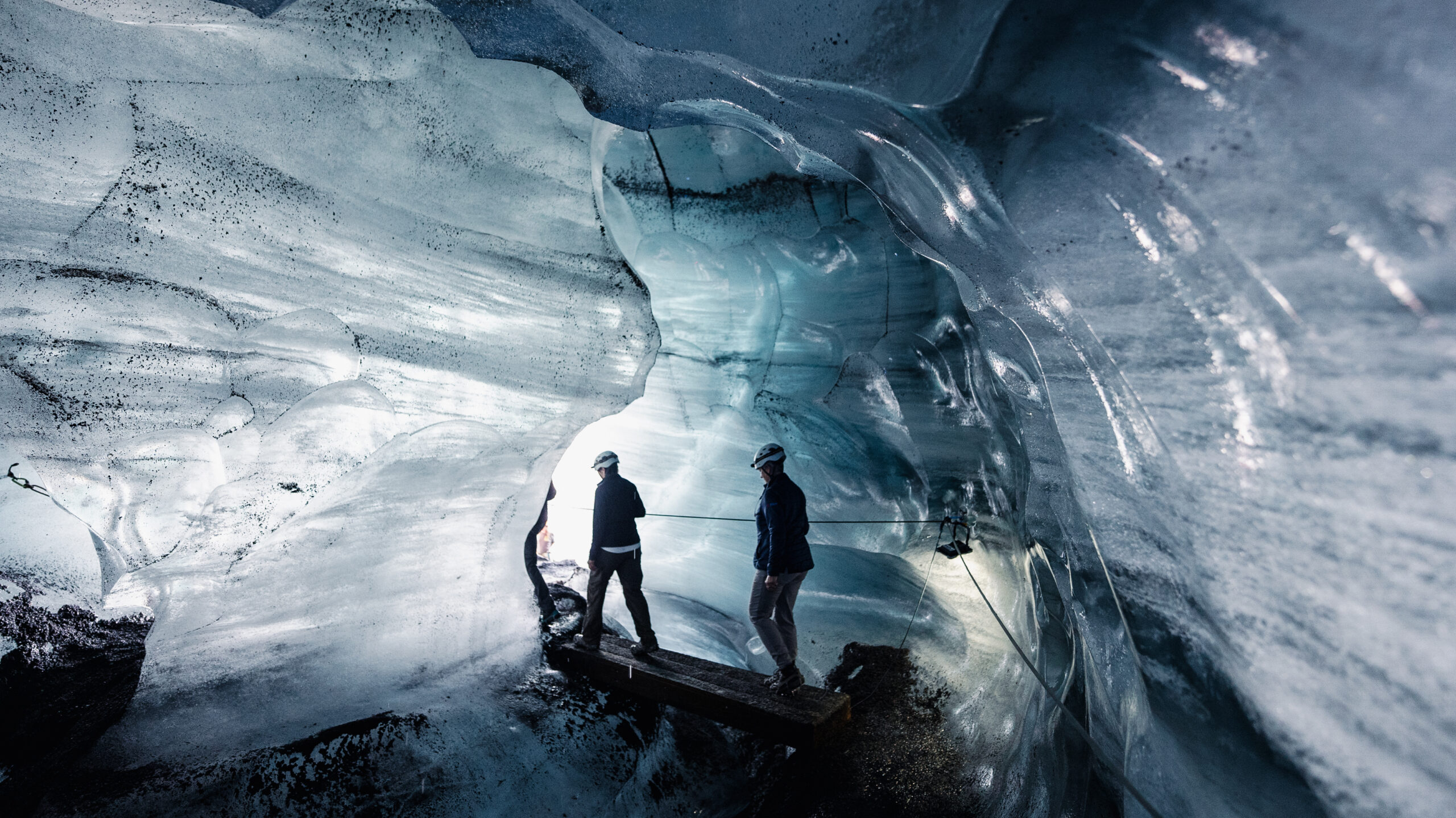
Winter in Iceland is not only about challenging weather, it’s also the season when some of the country’s most extraordinary activities are possible. The landscapes become a natural playground made of ice, snow and volcanic formations. One of the most iconic winter experiences is visiting the Katla Ice Cave, a unique glacier cave formed inside the Kötlujökull outlet glacier, which sits above one of Iceland’s most active volcanoes. Unlike seasonal blue ice caves that only open part of the year, the Katla Ice Cave can often be visited most of the year, but winter is when it becomes truly magical, with deep blue ice walls, frozen textures and dramatic contrasts shaped by centuries of volcanic ash.

Beyond ice caves, winter offers countless other adventures:

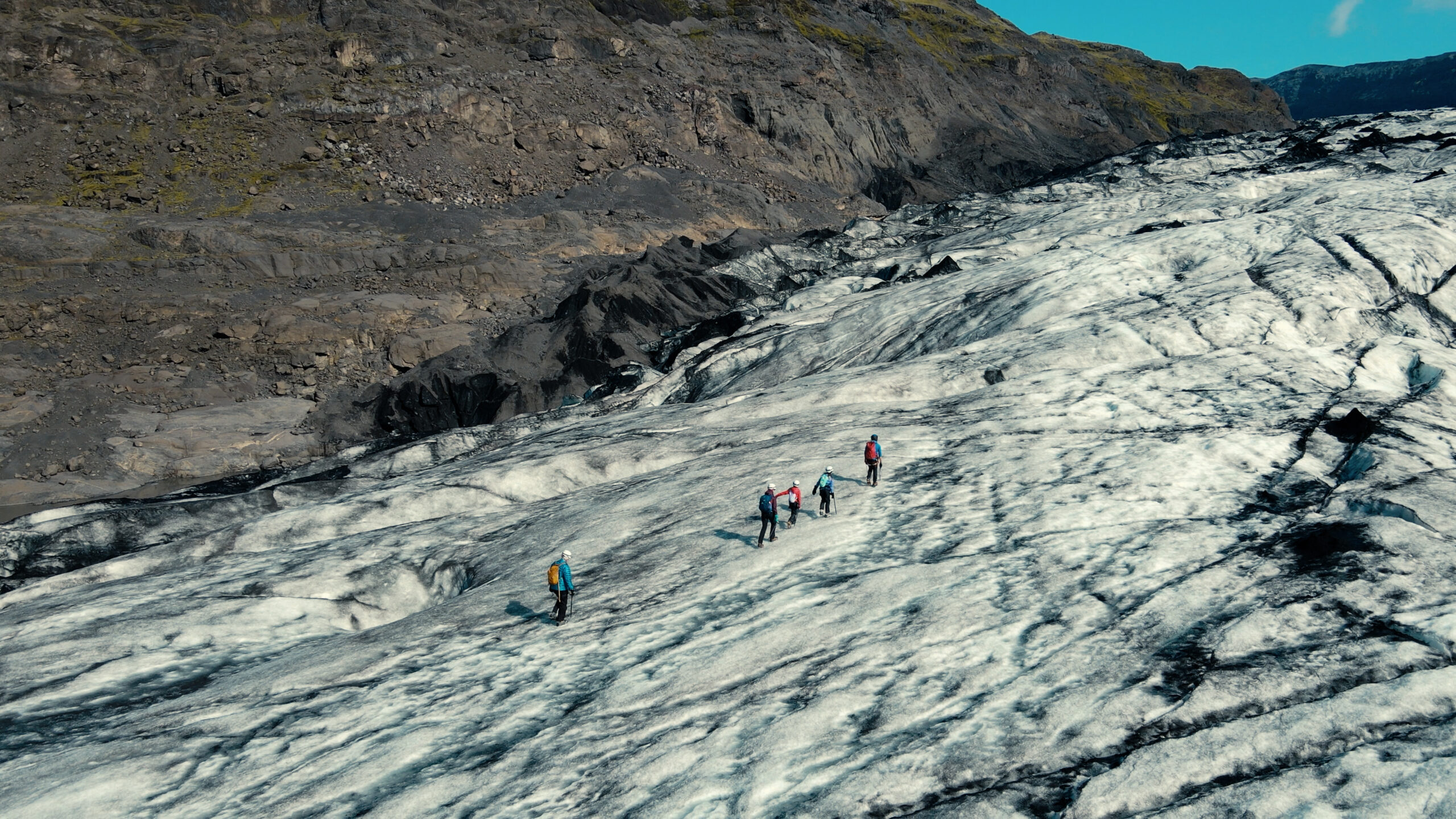
  • Glacier hiking becomes especially beautiful when snow covers the mountains and crevasses, turning the glaciers into smooth white landscapes. 
  • For photographers, winter brings soft Arctic light, snowy mountains and the long nights needed to chase the Northern Lights
  • nowmobiling on Langjökull or Mýrdalsjökull provides an adrenaline-filled journey across vast frozen fields
  • Visiting hot springs, like Blue Lagoon or natural geothermal pools, feel even more luxurious in the frosty air. 
  • Towns and villages become cozy hideaways where you can enjoy Icelandic traditions, seasonal food and the warmth of local hospitality. 

Winter in Iceland is much more than a season; it’s a chance to discover the country at its most authentic and adventurous.

Iceland Weather in December: What Makes It Unique?

December is one of the most searched months for weather in Iceland. Travelers want to know what to expect during Christmas or New Year’s.

Here’s what makes December special:

  • It’s the darkest month, with very short days.
  • Temperatures hover around -3°C to +3°C.
  • Snow is common around the country.
  • Roads can be icy, but landscapes are often covered in snow.
  • Northern Lights activity is strong thanks to long nights.

December feels like stepping into a winter fairy tale, but also into a month where weather can be highly unpredictable.

Weather by Region: South, North, West and East

  • South Iceland (Reykjavík to Vík). Milder but wetter. Expect rain mixed with snow, strong winds and changing conditions. Roads may close temporarily.
  • North Iceland (Akureyri, Mývatn). Colder, more stable winter weather, more snow, and clearer skies for Northern Lights. 
  • East Iceland. Snowy and calm, but mountain passes can close frequently.
  • West Iceland & Snæfellsnes. Windy and variable, with beautiful winter landscapes and occasional road closures.

How Locals Experience Winter

Icelanders don’t fear winter, we adapt to it. Schools remain open, people go to work as usual and daily life continues despite storms or short days. The secret? Respecting the weather and planning around it.

What we always do as locals:

  • Check the forecast every day.
  • Drive cautiously.
  • Dress properly.
  • Avoid unnecessary travel during storms.

Travelers who follow the same habits usually enjoy a safe and unforgettable winter experience.


Final Tips for Your Winter Trip to Iceland

To enjoy Iceland in winter safely and comfortably:

  • Check Road.is, Vedur.is and Safetravel.is daily.
  • Build flexibility into your itinerary.
  • Avoid long driving days.
  • Dress warmly and waterproof.
  • Consider guided tours for difficult routes.
  • Respect weather alerts — they exist for your safety.

With the right mindset, winter in Iceland becomes a beautiful experience full of unique moments and dramatic scenery.

Winter in Iceland requires preparation, but it rewards travelers with some of the most unique experiences the country offers. With the right clothing, awareness of weather conditions and safe driving habits, you can enjoy a season filled with snow-covered landscapes, Northern Lights and incredible adventures like the Katla Ice Cave. It’s a time when Iceland feels wilder, quieter and deeply authentic. Visit with respect for nature — and winter will show you its most magical side.

More from our blog

How is the Weather in Iceland in Winter?

Learn what Iceland’s winter is really like: weather, driving tips, clothing and the best activities for a safe and magical trip.

Strongest in Iceland Award 2025

Proud to be among the Strongest in Iceland 2025—our second year in a row! Thank you to our amazing team and travelers.

Northern Lights in Iceland: When, Where and How to See Them

Find out when and where to see the Northern Lights in Iceland, plus tips to plan your perfect aurora adventure.

Our Private Tours in Iceland

Experience Iceland private tours in Katlatrack: buggy rides, glacier hikes, and super jeep adventures led by expert local guides.

5 Things You Didn’t Know About Katla Volcano

Discover 5 facts about Katla Volcano. This hidden and powerful volcano in the South of Iceland is a sleeping giant… For now.

What to Do in Vík Iceland in Less Than 2 Hours?

Visiting Vík with limited time? Discover the top things to do in less than two hours, including the black sand beach, Vík Church, Yoda Cave, and fun tours.

Where is Þórsmörk and Why is it so Special?

Þórsmörk offers epic hikes, glacier views, and legends in Iceland’s highlands—explore by foot, bus, or Super Jeep for the ultimate adventure.

What can you do in Þakgil? Campsite, hiking and much more!

Discover Þakgil in South Iceland: camping, hiking, and buggy or Super Jeep tours through its mossy cliffs, rivers, and hidden canyon.

How is the Weather in Iceland in Summer?

Iceland in summer offers endless daylight, lush green landscapes, and milder weather than most visitors expect — a true seasonal surprise.

Join a Super Jeep tour in Iceland

Explore Iceland’s wildest places with Katlatrack’s Super Jeep tours — from ice caves to volcanoes, this is off-road adventure at its best.

Northern Lights in Iceland: When, Where and How to See Them

Northern Lights in Iceland: When, Where and How to See Them

Northern Lights in Iceland: When, Where and How to See Them

The Northern Lights in Iceland are one of the most breathtaking natural wonders on Earth. These glowing ribbons of green, pink, and purple light dance across the Arctic sky from late August to April, turning the night into pure magic.

In this guide, you’ll learn when and where to see the aurora borealis in Iceland, how to check the forecast, and what to expect when chasing this incredible phenomenon. Whether you have just a few days or a full week, these tips will help you plan an unforgettable experience under Iceland’s winter skies.

When to See the Northern Lights in Iceland

The Northern Lights season runs from late August to mid-April, when the nights are long and dark enough. During summer, Iceland’s midnight sun makes sightings impossible.

Best Months to see Northern Lights

The best time for aurora viewing is September to March, with peak chances between November and February.

  • September–October: Mild weather, fewer tourists, and reflections in lakes and waterfalls. If you are lucky, you will be able to see auroras in Iceland from late August.
  • November–February: The darkest months, offering up to 20 hours of night—perfect for hunting lights.
  • March–April: Slightly warmer and clearer, with frequent aurora activity.

Best Time of Night

The aurora usually appears between 9 PM and 2 AM, though it can happen any time it’s dark. Keep an eye on the sky—sometimes it starts suddenly and lasts only a few minutes.

Where to See the Northern Lights in Iceland

You can see the Northern Lights almost anywhere in Iceland with dark sky and clear weather. Some locations, however, are especially magical.

1. Vík í Mýrdal – The South Coast Gem

Vík is one of the top spots to see the Northern Lights in Iceland. This small coastal village offers wide open views of the sky, surrounded by black sand beaches and dramatic cliffs.

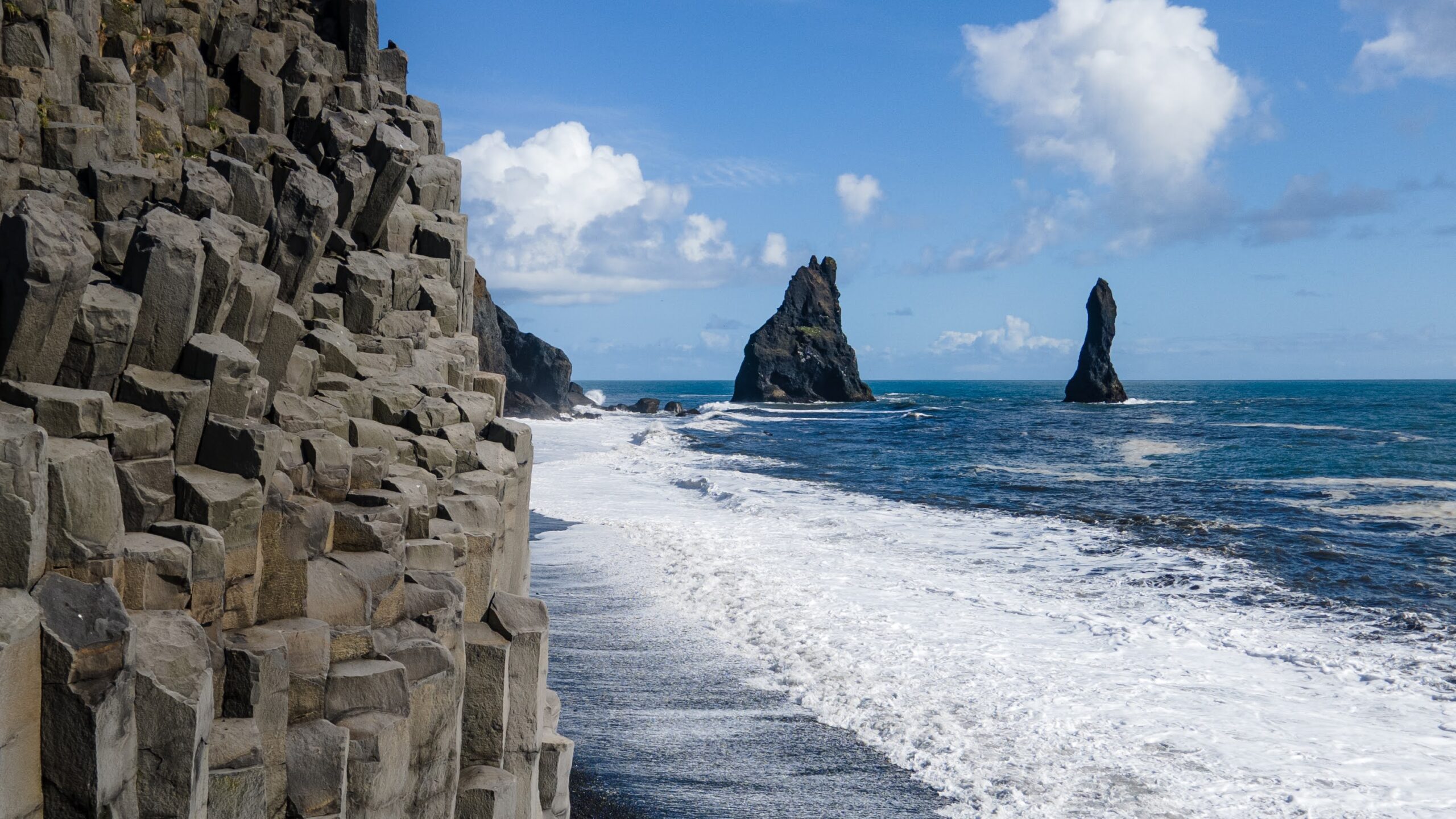
From Vikurfjara Beach, you can often watch the aurora above the Reynisdrangar sea stacks. In winter, it’s common to see the lights shimmering above the ocean waves—an unforgettable contrast of fire and ice.

2. Þingvellir National Park

Located on the Golden Circle route, Þingvellir offers one of the best dark-sky locations in Iceland. The rift valley and open plains make perfect conditions for clear aurora views and stunning photographs.

3. Jökulsárlón Glacier Lagoon

On Iceland’s southeast coast, Jökulsárlón creates a mirror-like reflection of the Northern Lights on its floating icebergs. It’s a must-see for photographers and one of the most otherworldly sights in the country. 

Located in Vatnajökull, the biggest glacier of Europe, this location will allow you to make amazing photographies of the northern lights. 

4. Snæfellsnes Peninsula

Known as “Iceland in Miniature,” this region offers volcanoes, beaches, and glaciers—all under one aurora-filled sky. The iconic Kirkjufell Mountain is a favorite for travelers and photographers seeking the perfect aurora shot.

5. Reykjavík and Surroundings

Even from the capital, you can sometimes catch the Northern Lights. Drive just outside the city—to Grótta Lighthouse, Heiðmörk Nature Reserve, or the Reykjanes Peninsula—for darker skies and easy access.

5. North of Iceland Arctic Views and Clear Skies

North Iceland offers some of the clearest skies and longest nights in the country — ideal for northern lights hunting.

In Akureyri, Iceland’s northern capital, you can often see the aurora just outside town, especially around Eyjafjörður fjord or Hjalteyri village.

Further east, Lake Mývatn is famous for its calm reflections and lack of light pollution. Watching the lights while soaking in the Mývatn Nature Baths is an unforgettable Arctic experience.

Along the coast, Húsavík and Ásbyrgi Canyon offer remote, quiet spots where the aurora shines bright over the sea and snowy cliffs.

If you’re seeking a peaceful, authentic encounter with the aurora borealis, the north is one of Iceland’s best-kept secrets.

Understanding the Aurora Borealis

The aurora borealis happens when charged particles from the sun collide with gases in Earth’s atmosphere. These interactions release energy as glowing colors—most often green, but sometimes pink, violet, or even red.

Why Iceland Is Perfect for the Aurora

  • Close to the Arctic Circle
  • Minimal light pollution outside cities
  • Easy access to remote, dark locations
  • Long winter nights for extended viewing

In short: Iceland’s geography and natural darkness make it one of the world’s top aurora destinations.

How to Check the Northern Lights Forecast

Watching the sky isn’t just luck—it’s planning. Here’s how to read the Iceland Northern Lights forecast before heading out.

1. The KP Index

The KP Index measures geomagnetic activity on a scale from 0 to 9.

  • 0–2: Weak, visible mostly in northern areas
  • 3–4: Moderate, visible across most of Iceland
  • 5+: Strong—visible almost everywhere

For the best odds, aim for KP 3 or higher and clear skies.

2. Cloud Cover Forecast

Even high activity won’t help if clouds block the view. Use the Icelandic Meteorological Office (vedur.is) to check real-time cloud maps. Look for white or light green zones—they indicate clear skies.

3. Recommended Apps

  • Vedur.is (official Icelandic forecast)
  • Aurora Service Europe
  • My Aurora Forecast App (mobile alerts & KP updates)

Tips for Seeing the Northern Lights

To maximize your chances of success:

  • Get away from light pollution. Drive 10–15 minutes out of town.
  • Be patient. The lights can appear after hours of waiting.
  • Dress warmly. Layers, gloves, and waterproof boots are essential.
  • Use a tripod for photos. Long exposures capture the movement beautifully.
  • Avoid bright lights. Use a red flashlight or phone night mode.
  • Join a local guide. They know the best spots to see the northern lights and know how to drive in snowy terrains.

Why Iceland is a perfect destination to see Northern Lights

The Northern Lights in Iceland are more than just a spectacle—they’re a connection between nature, history, and human wonder. With vast open landscapes, easy accessibility, and clear winter nights, Iceland gives every traveler a real chance to experience this phenomenon.

Even if the lights don’t appear, you’ll still find magic in the journey—standing under a vast Arctic sky, surrounded by glaciers and volcanoes, feeling the same awe that ancient Vikings once did.

And when the aurora finally dances above you, you’ll understand why so many call it the heartbeat of the North.

More from our blog

How is the Weather in Iceland in Winter?

Learn what Iceland’s winter is really like: weather, driving tips, clothing and the best activities for a safe and magical trip.

Strongest in Iceland Award 2025

Proud to be among the Strongest in Iceland 2025—our second year in a row! Thank you to our amazing team and travelers.

Northern Lights in Iceland: When, Where and How to See Them

Find out when and where to see the Northern Lights in Iceland, plus tips to plan your perfect aurora adventure.

Our Private Tours in Iceland

Experience Iceland private tours in Katlatrack: buggy rides, glacier hikes, and super jeep adventures led by expert local guides.

5 Things You Didn’t Know About Katla Volcano

Discover 5 facts about Katla Volcano. This hidden and powerful volcano in the South of Iceland is a sleeping giant… For now.

What to Do in Vík Iceland in Less Than 2 Hours?

Visiting Vík with limited time? Discover the top things to do in less than two hours, including the black sand beach, Vík Church, Yoda Cave, and fun tours.

Where is Þórsmörk and Why is it so Special?

Þórsmörk offers epic hikes, glacier views, and legends in Iceland’s highlands—explore by foot, bus, or Super Jeep for the ultimate adventure.

What can you do in Þakgil? Campsite, hiking and much more!

Discover Þakgil in South Iceland: camping, hiking, and buggy or Super Jeep tours through its mossy cliffs, rivers, and hidden canyon.

How is the Weather in Iceland in Summer?

Iceland in summer offers endless daylight, lush green landscapes, and milder weather than most visitors expect — a true seasonal surprise.

Join a Super Jeep tour in Iceland

Explore Iceland’s wildest places with Katlatrack’s Super Jeep tours — from ice caves to volcanoes, this is off-road adventure at its best.

What to Do in Vík Iceland in Less Than 2 Hours?

What to Do in Vík Iceland in Less Than 2 Hours?

What to Do in Vík Iceland in Less Than 2 Hours?

If you are passing through South Iceland and only have one or two hours to explore, don’t worry. Vík, Iceland, has plenty to offer. This small village may seem quiet, but it is full of striking landscapes, fascinating stories, and unique experiences. In this article, we will guide you through the best things to do in Vík in less than two hours. Including tours, landmarks, and hidden gems that make this village unforgettable.

There is something to see for every type of traveler. Whether you are looking for adventure or a brief cultural stop, this guide will help you make the most of your time.

Visit Vík Church

Vík Church, a charming white building overlooking the town, is another must-see. From the churchyard, you get a panoramic view of the village, the coastline, and the surrounding hills. The church is a symbol of the local community and has stood here for decades, witnessing the village’s growth and the forces of nature that surround it.

A curious fact about Vík Church is its role as a safety point. In case of a Katla volcano eruption, residents gather at the church and wait for the rescue team. This connection between nature, history, and community adds a unique layer to your visit, giving a sense of respect for the unpredictable environment around Vík.

Explore the Black Sand Beach in Vík Iceland

Vikurfjara is Vík’s own black sand beach. It is only a few minutes’ walk from the town center. Perfect for travelers asking, “what to do in Vik” with limited time. The beach is peaceful and easy to reach. From here, you can see the Reynisdrangar sea stacks. In summer, puffins nest along the cliffs, and seals often appear near the shore. Sometimes, even whales are spotted. Vikurfjara is ideal for a short walk and wildlife watching. The views are beautiful and unforgettable.

If you only have a short time, a quick walk along the shore is enough to soak in the dramatic scenery. Feel the wind from the ocean, listen to the waves crashing against the volcanic rocks, and take a few memorable photos. This area is also part of our Black Beach Buggy Tour, which lasts about one hour. You will drive your own buggy through the beach and stop at viewpoints. Where you can admire Reynisdrangar from a safe distance while driving along the black sands.

Discover the Yoda Cave (Hjörleifshöfði)

Hidden just outside the village is a small but intriguing cave known as Yoda Cave, locally called Hjörleifshöfði. This cave is easily accessible and offers a quick exploration for anyone with limited time. It is a favorite spot for visitors because of its unusual shape and the feeling of stepping into another world.

The Yoda Cave provides insight into the volcanic history of the area. Standing inside, you can imagine how past eruptions shaped the cliffs and created spaces like this one. Even if you only have a few minutes, the cave is worth visiting for its unique atmosphere and photo opportunities.

Enjoy the Views from Reynisfjall

If you have a little more time, a short hike up Reynisfjall mountain gives you breathtaking views of Vík and the surrounding coastline. From this vantage point, you can see the village, the black sand beaches, and the Reynisdrangar sea stacks in all their glory. The landscape feels vast, yet intimate, showing the power and beauty of Icelandic nature in a compact area.

For those wanting an active experience, our Electric Mountain Bike Tour lasts about 1.5 hours and takes you up to Reynisfjall. The e-bikes make the ascent easier while allowing you to enjoy stunning vistas along the way. This tour combines adventure, fresh air, and remarkable photo opportunities in less than two hours.

Take a Quick Cultural Tour: Best of Vík

Another option for visitors short on time is our Best of Vík Tour, a one-hour guided experience starting from our base in Vík. This tour is designed to showcase the village’s highlights efficiently while giving travelers insight into local culture, folklore, and natural wonders. You will see the church, the coastline, and the hills, including viewpoints not always accessible on your own. It’s perfect for those who want to experience Vík’s charm without missing anything important in a limited timeframe.

Where to Eat in Vík Iceland

After a walk or a short tour, you might want to enjoy something tasty before continuing your trip. For such a small village, Vík offers a surprising variety of restaurants.

If you want to try local flavors, many restaurants serve Icelandic lamb and fresh cod, prepared in traditional ways. For something more international, Vík has options too. The Black Crust Pizzeria is famous for its unique pizzas baked with a black crust, while travelers also enjoy Asian-inspired dishes at one of the local spots, or taste the Icelandic hot dog. 

Whether you prefer local food or international cuisine, Vík has a place for you. It’s the perfect way to recharge before hitting the road again.

Combining Tours and Landmarks

If you only have an hour or two, you don’t need to choose between tours and landmarks—you can combine them. For example, you might start with a quick visit to Vík Church for the views and history, then join the Black Beach Buggy Tour for a fun and dramatic experience on Reynisfjara. Alternatively, for a more active option, explore Reynisfjall on e-bike and finish at the Yoda Cave for a touch of mystery and adventure.

The key is to plan your time wisely. Each of these experiences offers a different perspective of Vík, from cultural insight to natural wonder, making your short stop memorable and fulfilling.

Tips for a Short Visit

When visiting Vík Iceland with limited time, keep these tips in mind:

  • Timing: Allocate at least 30 minutes to see the beach and the sea stacks, as the light changes quickly and enhances photography opportunities. We have plenty of restaurants if you want to eat something tasty before heading your road trip also!
  • Weather: Iceland’s weather can change rapidly. Dress in layers, wear waterproof shoes, and be prepared for wind and rain, especially in Vík.
  • Transport: You can drive yourself until Vík, but if you are not planning to rent a car, there is one bus per day that arrives in the town.
  • Safety: Stick to marked paths on the beach and respect local guidelines. The Atlantic waves at Reynisfjara can be dangerous.

Why Vík Is Worth the Stop

Even with less than two hours, Vík Iceland offers a snapshot of Iceland’s diverse landscapes and history. From the black sand beaches to the church perched above the village, from the volcanic Yoda Cave to the panoramic views of Reynisfjall, every step tells a story. The village is small but packed with natural beauty, folklore, and opportunities for adventure. Short tours like the buggy, e-bike, or Best of Vík allow travelers to experience the essence of the area efficiently and safely.

But if you have more time, we highly recommend spending more time in the area. There are lots of activities and restaurants to visit in the town!

Whether you’re passing through on your way east or simply making a quick stop, Vík proves that even a small village can leave a lasting impression. Its combination of dramatic landscapes, cultural landmarks, and fun tours ensures that every visitor, regardless of time, experiences something unforgettable.

For those wanting to make the most of their short stop, consider combining a guided tour with quick visits to the main attractions. Our tours also provide an extra layer of excitement for anyone interested in exploring the glaciers and dramatic surroundings near Vík, even in a short amount of time.

Vík is a gem on Iceland’s south coast—compact, striking, and full of stories. Spend an hour or two, and you’ll leave with memories that last much longer than your stay.

More from our blog

How is the Weather in Iceland in Winter?

Learn what Iceland’s winter is really like: weather, driving tips, clothing and the best activities for a safe and magical trip.

Strongest in Iceland Award 2025

Proud to be among the Strongest in Iceland 2025—our second year in a row! Thank you to our amazing team and travelers.

Northern Lights in Iceland: When, Where and How to See Them

Find out when and where to see the Northern Lights in Iceland, plus tips to plan your perfect aurora adventure.

Our Private Tours in Iceland

Experience Iceland private tours in Katlatrack: buggy rides, glacier hikes, and super jeep adventures led by expert local guides.

5 Things You Didn’t Know About Katla Volcano

Discover 5 facts about Katla Volcano. This hidden and powerful volcano in the South of Iceland is a sleeping giant… For now.

What to Do in Vík Iceland in Less Than 2 Hours?

Visiting Vík with limited time? Discover the top things to do in less than two hours, including the black sand beach, Vík Church, Yoda Cave, and fun tours.

Where is Þórsmörk and Why is it so Special?

Þórsmörk offers epic hikes, glacier views, and legends in Iceland’s highlands—explore by foot, bus, or Super Jeep for the ultimate adventure.

What can you do in Þakgil? Campsite, hiking and much more!

Discover Þakgil in South Iceland: camping, hiking, and buggy or Super Jeep tours through its mossy cliffs, rivers, and hidden canyon.

How is the Weather in Iceland in Summer?

Iceland in summer offers endless daylight, lush green landscapes, and milder weather than most visitors expect — a true seasonal surprise.

Join a Super Jeep tour in Iceland

Explore Iceland’s wildest places with Katlatrack’s Super Jeep tours — from ice caves to volcanoes, this is off-road adventure at its best.

Where is Þórsmörk and Why is it so Special?

Where is Þórsmörk and Why is it so Special?

Where is Þórsmörk and Why is it so Special?

Have you ever dreamed of standing in a hidden valley surrounded by glaciers, volcanic mountains, and endless hiking trails? Welcome to Þórsmörk (pronounced Thorsmörk), one of Iceland’s most treasured nature reserves and a true paradise for adventurers. 

In this article, we’ll uncover where Þórsmörk is located, why it’s so unique, the best ways to get there, and the unforgettable experiences you can have—whether you’re hiking from Seljalandsfoss, joining a guided tour, or spending the night under a sky of countless stars.

Where is Þórsmörk?

Þórsmörk – meaning Thor’s Valley – lies in the southern Highlands of Iceland, tucked between three mighty glaciers: Eyjafjallajökull, Mýrdalsjökull, and Tindfjallajökull. This dramatic location creates a sheltered microclimate where lush birch forests, moss-covered lava fields, and winding glacial rivers flourish. It’s one of the rare places in Iceland where green valleys meet icy peaks, creating a landscape that feels both otherworldly and welcoming.

This remote area is part of the Icelandic Highlands, which means it’s only accessible via mountain roads (F-roads) during summer, usually from late May to early September. In winter, heavy snow and swollen rivers make it nearly impossible to reach without specialized vehicles – Super Jeeps, as we call them.

Why is Þórsmörk so Special?

The magic of Þórsmörk lies in its contrasts. You can hike through gentle birch forests, hear birdsong echo across green meadows, and then look up to see towering ice caps and jagged volcanic ridges. The area is known for:

  • Stunning panoramic views over glaciers, volcanoes, and valleys.

  • Unique microclimate, often warmer and sunnier than surrounding regions.

  • Rich biodiversity, with many plants and birds not commonly found in other parts of Iceland.

  • Folklore and legends, especially stories tied to Norse mythology and Thor, the god of thunder.

It’s also a beloved destination for Icelanders themselves, it is a wonderful area for locals and tourists! 

Hiking Trails in Þórsmörk

If there’s one thing that defines Þórsmörk, it’s hiking. The valley is the endpoint of some of Iceland’s most famous trails, and a starting point for many more.

1. The Thorsmork Hike from Skógafoss

One of the most epic routes to Þórsmörk is the Fimmvörðuháls trail, starting at Skógafoss waterfall and ending in Þórsmörk.

  • Distance: ~25 km (15.5 miles)

  • Time: 10–12 hours for a full-day hike, or split into two days with an overnight stay.

  • Highlights: Dozens of waterfalls along the Skógá river, crossing between Eyjafjallajökull and Mýrdalsjökull glaciers, and walking past the newly formed craters Magni and Móði from the 2010 eruption.

This hike offers constantly changing landscapes—from lush lowlands to volcanic deserts and then into the green oasis of Þórsmörk.

2. Shorter Local Trails

If you’re not ready for a full-day trek, Þórsmörk has plenty of shorter hikes:

  • Valahnúkur – A short, steep climb with panoramic views over the valley.

  • Stakkholtsgjá Canyon – A stunning walk through a narrow canyon ending at a hidden waterfall.

  • Tindfjöll Circle – A longer loop with glacier views and river crossings.

No matter your fitness level, you’ll find a thorsmork hike that suits you.

How to Get to Þórsmörk

Reaching Þórsmörk is an adventure in itself. The valley is surrounded by unbridged rivers and rough mountain roads, so planning ahead is essential.

1. By Hiking from Skógafoss

As mentioned earlier, the Fimmvörðuháls trail from Skógafoss is a challenging but incredibly rewarding way to arrive. You’ll need to be prepared for a full day of trekking and river crossings. Many hikers choose to arrange transport for their luggage or a bus ride back afterward.

2. Bus from Hvolsvöllur

During summer, highland buses run from towns like Hvolsvöllur and Seljalandsfoss directly into Þórsmörk. These buses are equipped for river crossings and offer a scenic, relaxed way to get there.

3. Guided Tour in a Super Jeep

For the easiest and most adventure option, join one of the guided Super Jeep tours. You will experience the tricky river crossings and navigate the rough F-roads while you sit back and enjoy the views. Plus, the local guides share insider knowledge about Þórsmörk’s history, geology, and hidden spots that most visitors miss.

Spending the Night in Þórsmörk

One day is often not enough to fully enjoy this huge valley. Staying overnight gives you the chance to explore trails at a slower pace and experience the serenity of Þórsmörk when most day visitors have gone.

Accommodation options:

  • Mountain huts – Basic but comfortable, often with bunk beds, cooking facilities, and heating. Booking ahead is essential.

  • Camping – The Þórsmörk campsite is a fantastic base for hiking, with access to facilities and surrounded by breathtaking views.

  • Multi-day tours – Some guided trips include overnight stays, making logistics easy while still giving you the full experience.

At night, the valley becomes peaceful and quiet, and on clear evenings you can enjoy stargazing—or, later in the season, even the Northern Lights.

Folklore of Þórsmörk

The name Þórsmörk comes from Thor’s Valley, and Icelandic folklore says this dramatic landscape was blessed — and fiercely protected — by Thor, the Norse god of thunder. According to the sagas, Thor battled frost giants in the highlands, striking the ground with his hammer Mjölnir and splitting the earth to form the valley. The surrounding glaciers — Eyjafjallajökull, Mýrdalsjökull, and Tindfjallajökull — were said to be ice fortresses he raised to shield the valley from invaders.

Thor’s Watch

Perhaps the most enduring legend is that Thor still watches over his namesake valley. Some say sudden changes in the weather — a protective fog, a warm burst of sunshine, or a rumble of thunder in clear skies — are signs of Thor’s presence, guarding travelers from harm. Whether it’s divine protection or simply Iceland’s unpredictable climate, there’s no denying that Þórsmörk has a powerful, almost mystical energy.

The Hidden People (Huldufólk)

The Krossá River is more than just a waterway; in folklore, it’s the home of the huldufólk — the hidden people. Travelers were warned never to cross without asking permission or leaving a small gift, like a smooth stone or a pinch of food. Those who disrespected the river spirits risked sudden floods or becoming lost in a thick, disorienting fog. Some guides still greet the river quietly before leading tours across it.

The Small Demon of the Highlands

One lesser-known tale speaks of a mischievous small demon who once lived near the Krossá River. Unlike the terrifying devils of other myths, this one was more of a trickster — stealing supplies from travelers, untying their horses at night, and luring them toward the wrong trails with ghostly lights. According to legend, a passing priest eventually trapped the demon inside a boulder using holy runes. Some hikers claim that when the wind is right, you can still hear faint scratching from inside the stone.

Unicorn Mountain (Einhyrningur)

Near Þórsmörk rises a distinctive peak locals call Unicorn Mountain, or Einhyrningur. The name comes from its sharp, horn-like summit, but folklore says it was once a real unicorn who roamed the valley. When hunters came too close, the unicorn fled to the mountains, where a sorcerer turned it to stone to protect it from harm. On misty days, the “horn” seems to pierce the clouds, making it easy to imagine the creature frozen mid-run.

The Cave Elf Church

Deep in one of the surrounding ridges lies a cavern that locals call the Elf Church. This natural lava cave has smooth walls and a dome-like ceiling that make it look like a tiny cathedral. Folklore says it’s where elves gather for important ceremonies, safe from human eyes. Travelers who enter are advised to be respectful and quiet — some say those who make too much noise inside hear whispers in the dark or feel a cold breeze with no source.

The Cave of the Fugitive

One of Þórsmörk’s most dramatic stories is about a man who fled into the highlands to escape justice. He found a hidden cave high above the valley, where he lived for months, surviving on river fish and the occasional sheep he stole from nearby farms. Some say the man eventually disappeared into the glacier itself, swallowed by an ice cave during a summer melt. Today, adventurous hikers sometimes try to find the Cave of the Fugitive, but it remains elusive — as if the valley still protects its secrets.

Must-See Spots in Þórsmörk

Even if you have just one day, don’t miss these highlights:

  • Valahnúkur viewpoint – Possibly the best panoramic spot in the valley.

  • Krossá River crossings – Thrilling to watch (and cross) with the right vehicle.

  • Stakkholtsgjá Canyon – A fairytale-like walk ending at a hidden waterfall.

  • Eyjafjallajökull volcano views – Best seen from high ridges on clear days.

  • Seljalandsfoss – While technically outside Þórsmörk, this waterfall is often included on the journey there and is a must-see.

Þórsmörk is more than a hiking destination—it’s a living piece of Iceland’s natural and cultural heritage. Whether you’re drawn by the challenge of the thorsmork hike from Skógafoss, the beauty of Seljalandsfoss along the way, or the peace of camping in a birch forest under glacier peaks, this valley will stay with you long after you leave.

Plan your trip, pack your hiking boots, and let Þórsmörk reveal its wonders—one trail, river, and breathtaking view at a time.

Visit Þórsmörk in a Super Jeep tour

Reaching and exploring Þórsmörk can be tricky without local knowledge and the appropriate car and driven skills to cross rivers. If you are joining a tour with a local company, you can have::

  • Safe and comfortable transport over F-roads and rivers.

  • Expert local guides who know the trails, viewpoints, and history.

  • Flexible itineraries, from half-day excursions to multi-day hiking adventures.

If you’re drawn to Þórsmörk for its legendary landscapes and its endless hiking possibilities, there’s no better way to experience it than with a local guide who knows every hidden viewpoint and story. At Katlatrack, our Þórsmörk tours take you deep into the heart of the valley — crossing rivers, exploring trails, and stopping at breathtaking spots like Seljalandsfoss along the way. You just relax and take in the views; we’ll handle the driving, the river crossings, and even share a few legends as we go.

Book your adventure today, and let us guide you through the magic, mystery, and beauty of Thor’s Valley. You won’t only go to Þórsmörk – you will be immersed in it.

More from our blog

How is the Weather in Iceland in Winter?

Learn what Iceland’s winter is really like: weather, driving tips, clothing and the best activities for a safe and magical trip.

Strongest in Iceland Award 2025

Proud to be among the Strongest in Iceland 2025—our second year in a row! Thank you to our amazing team and travelers.

Northern Lights in Iceland: When, Where and How to See Them

Find out when and where to see the Northern Lights in Iceland, plus tips to plan your perfect aurora adventure.

Our Private Tours in Iceland

Experience Iceland private tours in Katlatrack: buggy rides, glacier hikes, and super jeep adventures led by expert local guides.

5 Things You Didn’t Know About Katla Volcano

Discover 5 facts about Katla Volcano. This hidden and powerful volcano in the South of Iceland is a sleeping giant… For now.

What to Do in Vík Iceland in Less Than 2 Hours?

Visiting Vík with limited time? Discover the top things to do in less than two hours, including the black sand beach, Vík Church, Yoda Cave, and fun tours.

Where is Þórsmörk and Why is it so Special?

Þórsmörk offers epic hikes, glacier views, and legends in Iceland’s highlands—explore by foot, bus, or Super Jeep for the ultimate adventure.

What can you do in Þakgil? Campsite, hiking and much more!

Discover Þakgil in South Iceland: camping, hiking, and buggy or Super Jeep tours through its mossy cliffs, rivers, and hidden canyon.

How is the Weather in Iceland in Summer?

Iceland in summer offers endless daylight, lush green landscapes, and milder weather than most visitors expect — a true seasonal surprise.

Join a Super Jeep tour in Iceland

Explore Iceland’s wildest places with Katlatrack’s Super Jeep tours — from ice caves to volcanoes, this is off-road adventure at its best.

What can you do in Þakgil? Campsite, hiking and much more!

What can you do in Þakgil? Campsite, hiking and much more!

What can you do in Þakgil? Campsite, hiking and much more!

Have you ever heard of a place in Iceland that feels like stepping into a fantasy world — with mossy cliffs, hidden canyons, and rivers to cross? Welcome to Þakgil (pronounced “Thak-gil”). A breathtaking valley that’s becoming a favorite for adventurers and nature lovers alike. 

In this article, we’ll explore what makes Þakgil so special, from its stunning landscape formations and hiking trails to the popular Þakgil camping site. Plus, if you want to explore this magical area in style, we’ll tell you about the exciting adventures that take you right into the heart of Þakgil canyon.

What is Þakgil?

Þakgil, often spelled “Thakgil” in English to match the Icelandic letter Þ (pronounced like “th”), means “roof canyon”. This hidden gem lies nestled between glaciers and black sand deserts in South Iceland. The canyon’s moss-covered cliffs, winding rivers, and surreal rock formations create a landscape straight out of a fantasy novel or a Game of Thrones set.

This area’s unique combination of volcanic terrain and lush vegetation is unique in Iceland, making Þakgil an oasis of calm and beauty. Here you can enjoy solitude and peace while surrounded by some of the country’s most dramatic scenery.

Þakgil Camping

For those who want to fully immerse themselves in this natural paradise, Þakgil camping is an unforgettable option. The campsite is well-equipped with basic facilities like toilets, running water, and cooking shelters. And all of this keeping a rustic charm that fits the wilderness perfectly.

Camping in Þakgil means falling asleep to the sound of rushing water and waking up surrounded by mossy cliffs and wild landscapes. It’s an ideal spot for photographers, nature lovers, and anyone wanting to escape the crowds and enjoy Iceland’s raw beauty.

Because Þakgil is off the beaten path, booking your spot ahead is recommended, especially during the busy summer months.

Hiking in Þakgil

One of the main reasons people come to Þakgil is for the incredible hiking opportunities. Trails here vary from easy walks around the campsite to more challenging routes that connect to famous Icelandic hiking destinations like Fimmvörðuháls and Þórsmörk.

If you’re a casual hiker, the paths around the canyon offer peaceful strolls beside rivers, through vibrant green moss, the glacier at the background and past small caves — some of which were used as natural shelters for meals during long hikes. For the more adventurous, Þakgil is a perfect base for multi-day treks with stunning panoramic views and geological wonders around every corner.

Along the trails, you’ll encounter glacial rivers that require crossing — a fun and authentic Icelandic experience! Just be sure to wear waterproof boots and be ready for quickly changing weather.

Exploring Þakgil by Buggy Tour

If hiking or camping is not your thing, you have a plan B! If you want to experience Þakgil from a different perspective, you can join one of our buggy tours. These small, agile vehicles allow you to explore rough trails and river crossings comfortably and safely.

The buggy tours provide an adrenaline adventure while taking you deep into Þakgil’s hidden corners. Cross rivers, drive through amazing canyons, stunning views from ocean and glacier… Plus, with a knowledgeable local guide, you will learn about the geology, history, and legends of the area, making the experience even richer.

It’s a perfect way to combine excitement with stunning nature, whether you’re traveling solo, as a couple, or in a small group.

Visit Þakgil on a Super Jeep Tour

If you want to explore Þakgil in comfort and with a touch of adventure, a Super Jeep tour is a fantastic option. These heavily modified 4×4 vehicles are built to handle Iceland’s roughest terrain — from gravel mountain roads to unbridged rivers — making them ideal for reaching Þakgil without stress.

You can find Super Jeep tours to Þakgil with small-groups, locally guided experiences. We take care of the driving — you just sit back and enjoy the ride deep into one of Iceland’s most stunning hidden valleys.

Why Þakgil is a Must-Visit

Thakgil is for everyone: adventurers who look for camping under the stars, hiking lovers or explorers looking for adrenaline tours. Þakgil offers an authentic Icelandic wilderness experience unlike any other. The combination of dramatic geology, peaceful atmosphere, and unique adventures makes it unique! Locals and travelers, this place is stunning for all the visitors!

Conclusion: Þakgil is your gateway to Icelandic wilderness

Þakgil, with its magical canyon, crystal-clear rivers, and vibrant mossy cliffs, is a true jewel of South Iceland. Whether you choose to camp, hike, or join one of our exciting buggy or Super Jeep tours, you’re guaranteed to have an unforgettable experience in this wild, breathtaking place.

If you want to explore Þakgil in a way that suits your style—whether adventurous or relaxed—check out our tours and camping options. At Katlatrack, we’re ready to guide you through this spectacular canyon and show you the hidden wonders of Þakgil that only locals know.

Don’t just visit Iceland—discover it. Plan your Þakgil adventure today!

How is the Weather in Iceland in Winter?

Learn what Iceland’s winter is really like: weather, driving tips, clothing and the best activities for a safe and magical trip.

Strongest in Iceland Award 2025

Proud to be among the Strongest in Iceland 2025—our second year in a row! Thank you to our amazing team and travelers.

Northern Lights in Iceland: When, Where and How to See Them

Find out when and where to see the Northern Lights in Iceland, plus tips to plan your perfect aurora adventure.

Our Private Tours in Iceland

Experience Iceland private tours in Katlatrack: buggy rides, glacier hikes, and super jeep adventures led by expert local guides.

5 Things You Didn’t Know About Katla Volcano

Discover 5 facts about Katla Volcano. This hidden and powerful volcano in the South of Iceland is a sleeping giant… For now.

What to Do in Vík Iceland in Less Than 2 Hours?

Visiting Vík with limited time? Discover the top things to do in less than two hours, including the black sand beach, Vík Church, Yoda Cave, and fun tours.

Where is Þórsmörk and Why is it so Special?

Þórsmörk offers epic hikes, glacier views, and legends in Iceland’s highlands—explore by foot, bus, or Super Jeep for the ultimate adventure.

What can you do in Þakgil? Campsite, hiking and much more!

Discover Þakgil in South Iceland: camping, hiking, and buggy or Super Jeep tours through its mossy cliffs, rivers, and hidden canyon.

How is the Weather in Iceland in Summer?

Iceland in summer offers endless daylight, lush green landscapes, and milder weather than most visitors expect — a true seasonal surprise.

Join a Super Jeep tour in Iceland

Explore Iceland’s wildest places with Katlatrack’s Super Jeep tours — from ice caves to volcanoes, this is off-road adventure at its best.

How is the Weather in Iceland in Summer?

How is the Weather in Iceland in Summer?

How is the Weather in Iceland in Summer?

When people think of Iceland, many imagine a land covered in snow and ice. But Iceland in summer is a wonderful surprise for visitors: endless daylight, lush green landscapes that look like another planet, and much milder weather than most expect.

In this article, we’ll explain what to expect from the Iceland weather in summer—temperatures, rain, wind—and what to pack to enjoy your adventure to the fullest. If you’re planning a trip between June and August, keep reading.

When is Summer in Iceland?

Icelandic summer officially begins at the end of April—on the first Thursday after April 18. In 2025, it was April 24; in 2026 it will be April 23; and in 2027, April 22. This day is called Sumardagurinn fyrsti in Icelandic, it means “First day of Summer”.

However, we don’t really feel summer until May or June, when the country transforms into a vibrant green paradise and the days grow longer and longer. Most people consider summer to last until the end of August, though early September can also be quite mild.

It’s the most popular time to visit Iceland, as many mountain roads (like the F-Roads) are only accessible in summer, allowing visitors to reach remote areas like Þórsmörk or Mælifell volcano.

What Is the Weather Like in Iceland in Summer?

One of the most common questions we get is: “Is it cold in Iceland in summer?”
The short answer: not as cold as you think, but it’s definitely not hot either.

Average Summer Temperatures

Average temperatures in summer range between 9°C and 15°C (48°F–59°F). On sunny, calm days, it can feel much warmer—sometimes up to 25°C (77°F). But remember: Iceland is famous for its microclimates. Weather can change in minutes, and wind or rain can make it feel colder than it actually is.

  • June: 8°C to 14°C (46°F–57°F)
  • July: 10°C to 15°C (50°F–59°F)
  • August: 8°C to 14°C (46°F–57°F)

July is usually the warmest month, but there are no guarantees. It’s not uncommon to experience all four seasons in one day.

Does It Rain in Summer?

Yes, it rains—but not as much as in autumn or winter. The south of Iceland (where Katlatrack is based) tends to get more unstable weather than the north. Expect light, intermittent showers more often than heavy downpours.

Always bring a good waterproof jacket and don’t let the forecast discourage you: when it says “rain,” it often just means light drizzle that won’t ruin your plans.

Is It Windy in Summer?

Yes, wind is a year-round feature in Iceland. While it’s usually calmer in summer, it can still affect how cold it feels. A 12°C (53°F) day with wind might feel more like 5°C (41°F).

That’s why dressing in layers is essential.

Is There Snow in Summer?

For most of the country, there’s no snow in summer, except on glaciers. If you visit places like Mýrdalsjökull or Vatnajökull, you’ll still see ice and snow year-round, as they are massive glaciers. But you won’t find snow in towns or on main roads during the summer months.

How Much Daylight Is There in Summer?

One of the most magical things about Iceland in summer is the endless daylight.

From late May to early August, Iceland experiences what’s known as the midnight sun. In June, in places like Vík, the sun barely sets around midnight and rises again at about 3:00 a.m. Even during the “night,” the sky never goes completely dark.

This gives you more time to explore, hike, or take tours without worrying about losing daylight. Just be aware that sleeping can be tricky if you’re sensitive to light—bring a sleep mask just in case.

What to Wear in Iceland in Summer

Even though temperatures are mild compared to winter, the weather can still change quickly. Here’s what you should definitely pack for summer:

1. Waterproof outer layers

A good waterproof jacket and pants are essential. Rain can start at any time—and attractions like waterfalls can soak you in seconds!

2. Base layers

Bring thermal underwear or long-sleeve shirts made of merino wool or technical fabrics. They regulate your body temperature and dry quickly.

3. Fleece or light down jacket

Perfect for layering when temperatures drop. It’s always better to have an extra layer than to be cold.

4. Waterproof hiking boots

Even if you’re not hiking long distances, the terrain can be uneven, wet, and slippery. Dry feet are happy feet.

5. Hat, gloves, and light scarf

Yes, even in summer. Wind can be strong, especially near the coast or up in the highlands.

6. Sunglasses and sunscreen

Believe it or not, Icelandic sun can be strong—especially when it reflects off glaciers or the sea.

7. Swimsuit

Wait—what? Yes! Many visitors enjoy soaking in natural hot springs like the Blue Lagoon or Seljavallalaug. Don’t forget your towel!

Why Visit Iceland in Summer?

Open roads: Places like Landmannalaugar or Mælifell are only accessible in summer.
Ideal tour conditions: Glacier hikes, ice cave tours, and Super Jeep expeditions are easier and more comfortable in this season.
More daylight: You can explore for hours without worrying about sunset.
Active wildlife: Summer is the best time to see puffins, seals, and even whales.
Festivals and local life: Small towns come alive with concerts, cultural events, and local celebrations.

But keep in mind that Iceland in Summer Doesn’t Mean Tropical Weather!

While summer days can be pleasant, Iceland is not a beach destination—though we do have stunning black sand beaches! Keep in mind that even in July, it can get cold and rainy for several days in a row. The key is to come prepared and keep your expectations realistic.

A foggy, moody day might be perfect for exploring an ice cave above Katla volcano, while a sunny one is ideal for a Super Jeep tour to Þórsmörk or Þakgil.

Can You See the Northern Lights in Summer?

A very common question is: can you see the northern lights in summer in Iceland?
The answer is no. The sky doesn’t get dark enough for auroras to appear. Northern lights season starts in late August or September and runs through April.

Conclusion: Summer in Iceland Means Adventure—With Unpredictable Weather

The Iceland weather in summer can be mild and pleasant, but it’s still unpredictable. The secret to enjoying it? Come prepared, dress smart, and keep a flexible attitude.

If you love unique landscapes, fewer crowds on the trails, and long, bright days full of opportunity, Iceland in summer is the season for you.


Ready for an Adventure?

Check out all our summer tours at katlatrack.is and start planning your trip with us. We’ll take you to places only locals know—driving Super Jeeps built to conquer any terrain.

See you in South Iceland, engine running and ready to take you into the heart of this extraordinary land.

More from our blog

If you want to learn more about Iceland… Keep reading!

How is the Weather in Iceland in Winter?

Learn what Iceland’s winter is really like: weather, driving tips, clothing and the best activities for a safe and magical trip.

Strongest in Iceland Award 2025

Proud to be among the Strongest in Iceland 2025—our second year in a row! Thank you to our amazing team and travelers.

Northern Lights in Iceland: When, Where and How to See Them

Find out when and where to see the Northern Lights in Iceland, plus tips to plan your perfect aurora adventure.

Our Private Tours in Iceland

Experience Iceland private tours in Katlatrack: buggy rides, glacier hikes, and super jeep adventures led by expert local guides.

5 Things You Didn’t Know About Katla Volcano

Discover 5 facts about Katla Volcano. This hidden and powerful volcano in the South of Iceland is a sleeping giant… For now.

What to Do in Vík Iceland in Less Than 2 Hours?

Visiting Vík with limited time? Discover the top things to do in less than two hours, including the black sand beach, Vík Church, Yoda Cave, and fun tours.

Where is Þórsmörk and Why is it so Special?

Þórsmörk offers epic hikes, glacier views, and legends in Iceland’s highlands—explore by foot, bus, or Super Jeep for the ultimate adventure.

What can you do in Þakgil? Campsite, hiking and much more!

Discover Þakgil in South Iceland: camping, hiking, and buggy or Super Jeep tours through its mossy cliffs, rivers, and hidden canyon.

How is the Weather in Iceland in Summer?

Iceland in summer offers endless daylight, lush green landscapes, and milder weather than most visitors expect — a true seasonal surprise.

Join a Super Jeep tour in Iceland

Explore Iceland’s wildest places with Katlatrack’s Super Jeep tours — from ice caves to volcanoes, this is off-road adventure at its best.