Christmas in Iceland: How We Celebrate Christmas

Christmas in Iceland: How We Celebrate Christmas

Christmas in Iceland: How We Celebrate Christmas

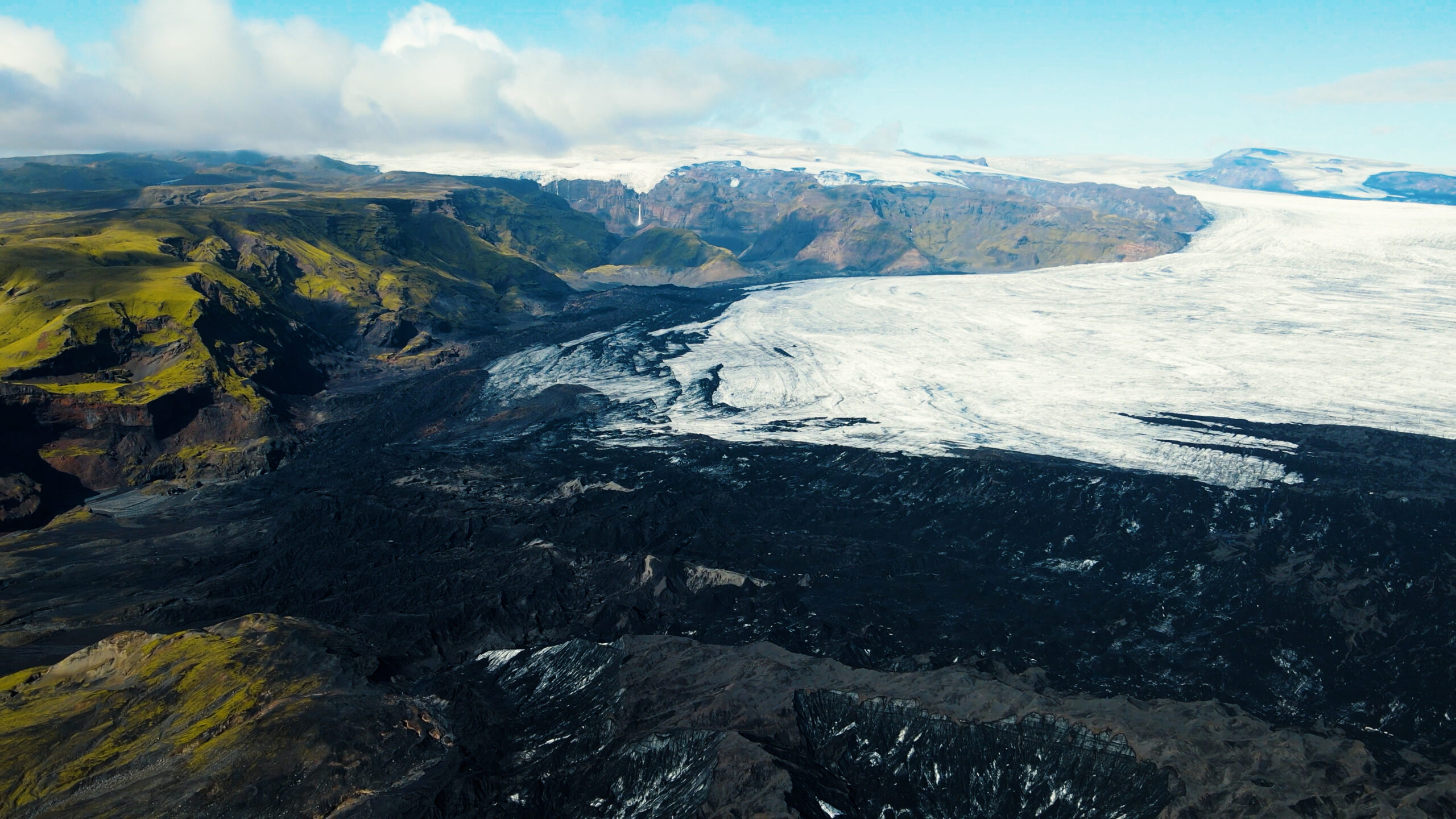
Christmas in Iceland is one of the most magical times of the year. The dark winter days are filled with warm lights, folklore comes alive, and families gather to celebrate centuries-old traditions. If you’re planning a visit to experience Iceland Christmas first-hand, you’ll discover a mix of ancient stories, unique characters like the Yule Lads, and joyful events across the country — from Reykjavík’s Christmas markets to festive activities in the countryside.

This guide explains how Icelanders celebrate Christmas, the important dates, local customs, and the best things to do during the holiday season, including northern lights tours, glacier adventures, and much more.

The Spirit of Christmas in Iceland

Despite the long winter nights, Christmas in Iceland feels bright and welcoming. Locals decorate homes, streets glow with fairy lights, and cafés fill with seasonal treats like laufabrauð (leaf bread) and hot chocolate. The whole country slows down and enjoys a cosy, family-oriented celebration rooted in folklore and history.

Unlike many countries that celebrate only on December 24th or 25th, Icelandic Christmas stretches across several days. The build-up begins in early Advent, and the festivities continue until January 6th, known as Þrettándinn (the Thirteenth Night), when the last of the celebrations end.

The Key Dates of Iceland Christmas

December 23: Þorláksmessa

The night before Christmas Eve is very important in Iceland. Locals take a final festive walk around town, meet friends, or enjoy a warm drink outside. In many families, this is the night when fermented skate is served — a very traditional (and very smelly!) dish that adventurous travelers sometimes try.

December 24: Christmas Eve

This is the main celebration. At 6:00 pm sharp, church bells ring across the country, marking the official start of Christmas. Families gather for dinner, exchange gifts, and spend the evening together. Almost all businesses close, and the streets become quiet and peaceful.

December 25–26: Jóladagur & Annar í jólum

Christmas Day and Boxing Day are slow, cosy days. Families visit relatives, share leftovers, and enjoy time indoors. Travellers will find restaurants and tours with limited availability, but winter activities usually continue.

December 31 – New Year’s Eve (Gamlárskvöld)

New Year’s Eve is one of the most important nights of the year in Iceland. Unlike Christmas, which is quiet and family-focused, December 31 is loud, bright, and full of energy.

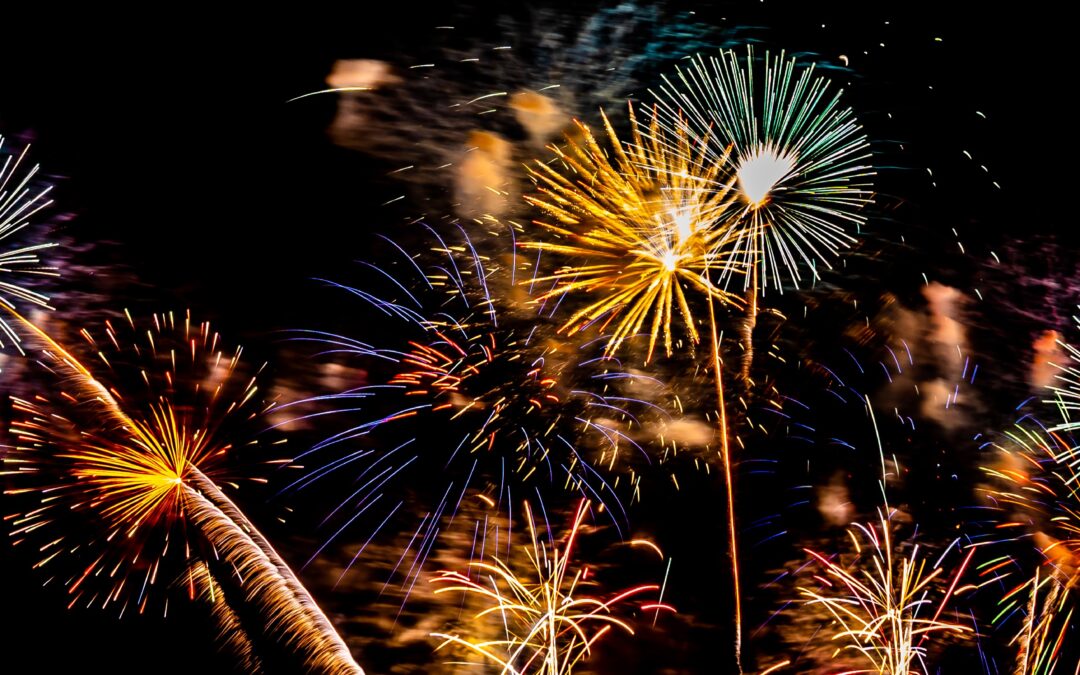
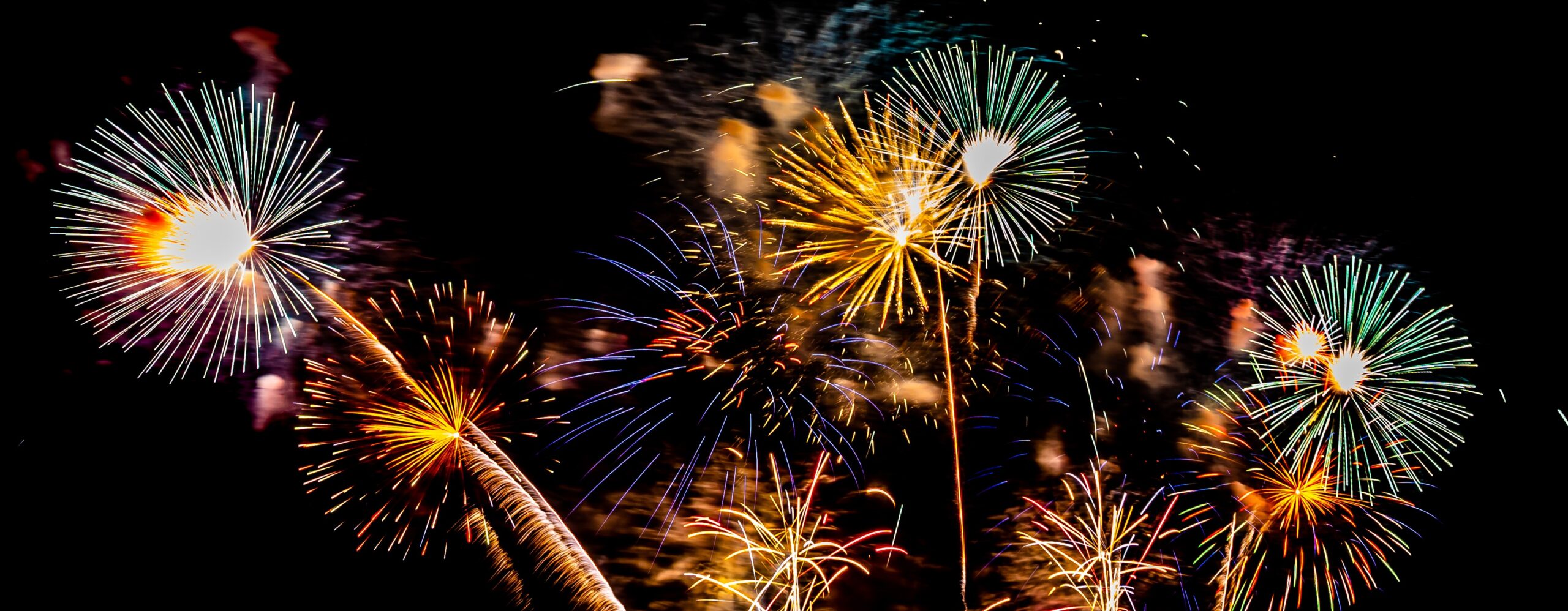
Communities gather around bonfires (brennur) in the evening, a long-standing tradition symbolising the end of the old year. After that, Icelanders celebrate with one of the biggest fireworks displays in the world. And you know what? They are not organised by the government, but lit by locals themselves! Fireworks are sold to support the Icelandic Search and Rescue teams, so almost everyone participates. 

At midnight, the sky erupts with colour, creating a magical atmosphere across the country. It’s a unique moment to experience, and with clear skies, you may even see fireworks and northern lights together.
January 6: Þrettándinn

This marks the end of the Christmas season. Folklore becomes central again: elves, magical creatures, and the last Yule Lads are celebrated with bonfires and fireworks in some towns.

The Icelandic Yule Lads: A Mischievous Christmas Tradition

One of the most iconic elements of Iceland Christmas is the Yule Lads (Jólasveinar). These 13 troll-like brothers come from Icelandic folklore and arrive one by one during the 13 nights before Christmas. Each Yule Lad has a particular personality and a funny habit, like slamming doors, stealing sausages, licking spoons, or peeking through windows.

A few well-known Yule Lads include:

  • Spoon-Licker (Þvörusleikir)
  • Door-Slammer (Hurðaskellir)
  • Bowl-Licker (Askasleikir)
  • Sausage-Swiper (Bjúgnakrækir)

Children leave a shoe in their window, and each night a Yule Lad puts a small gift inside — if the child has behaved well. Naughty children might receive a potato instead.

Grýla and the Christmas Cat

The Yule Lads’ mother, Grýla, is an old troll who supposedly comes down from the mountains to find badly behaved children. The Christmas Cat (Jólakötturinn), a gigantic creature from Icelandic stories, is said to eat anyone who does not receive new clothes for Christmas.

These traditions reflect Iceland’s rich folklore and are still very much alive today — especially in Reykjavík and Akureyri, where you will see Yule Lads decorations everywhere in December.

Christmas Traditions in Icelandic Homes

Food

Christmas meals vary by family, but common dishes include:

  • Roasted lamb (hangikjöt)
  • Ptarmigan
  • Smoked or baked ham
  • Leaf bread (laufabrauð), a thin, decorative bread fried in oil
  • Malt & appelsín, a Christmas soda mix

Icelanders decorate their homes with candles, wreaths, and lights, creating an atmosphere of warmth. The Danish influence also appears in many households, especially in desserts and cookies.

Gifts and Celebrations

Children receive 13 small gifts from the Yule Lads throughout December, plus the main presents on Christmas Eve. Books are extremely popular gifts, Iceland has something called the “Christmas Book Flood” (Jólabókaflóð), when new books are released just before the holidays.

Icelandic Christmas Markets

If you’re visiting in December, Christmas markets are a must-see. They add charm and atmosphere to the season and are some of the highlights for people searching for Iceland Reykjavík Christmas market experiences.

Hljómskálagarður Market, Reykjavík

One of the most popular ones, located by the lake in the city centre. You’ll find local crafts, Christmas decorations, baked goods and warm drinks.

Hafnarfjörður Christmas Market

Hafnarfjörður is known for its elvish folklore, making it a dreamy place for a Christmas stroll. The market features handmade products, performances, and plenty of lights.

Akureyri Christmas Market

Often set in a snowy landscape, perfect for those travelling to North Iceland in winter.

Many parks and streets in Reykjavík also offer small pop-up stalls, lights, and live music during Advent.

What to Do in Iceland During Christmas

December is a fantastic time for winter activities. Even though the days are short, Iceland’s landscapes shine during the festive season with snowy mountains, frozen waterfalls, and the northern lights dancing across the sky.

Here are the best activities to enjoy during Christmas:

1. Northern Lights Tours

Winter is the peak season to see the aurora. You can join organised northern lights tours, self-drive under a clear sky, or take a super jeep tour for the best visibility. Many operators run tours every night depending on the forecast.

2. Ice Cave Tours

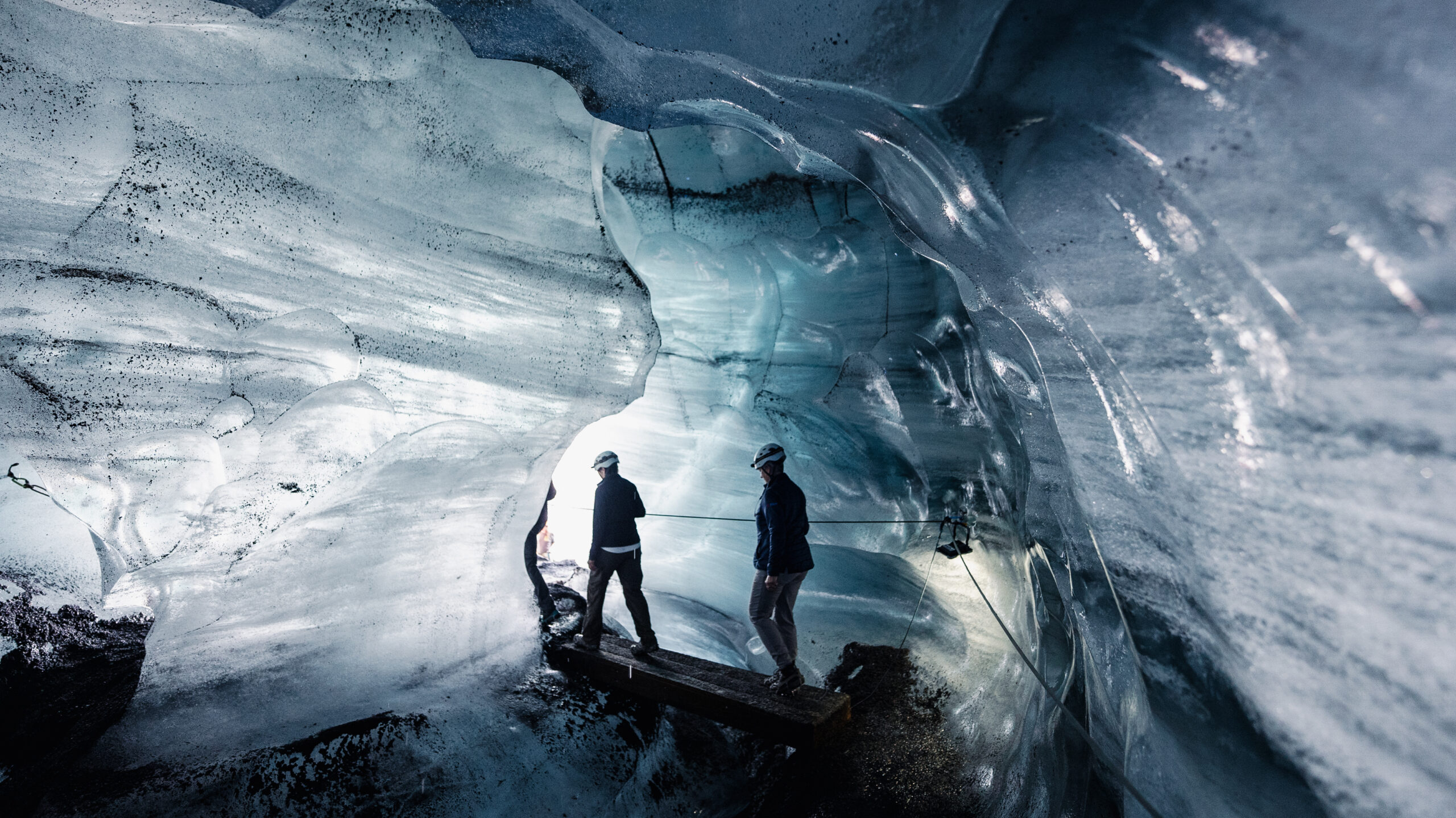
Visiting an ice cave, like Katla Ice Cave, is one of the most unforgettable experiences. The blue and black colours inside the caves make Christmas holidays feel even more magical.
3. Glacier Walks

Glacier walks are available in several areas (Sólheimajökull, Skaftafell, Vatnajökull). With a certified guide, you can safely explore crevasses and ice formations.

4. Snowmobiling

A thrilling winter activity and a great way to experience Iceland’s landscapes. Snowmobiling tours operate on glaciers like Langjökull or Mýrdalsjökull.

5. Hot Springs

After a cold day outside, nothing feels better than relaxing in geothermal water. The Blue Lagoon and Sky Lagoon are popular options, but there are many local hot pools as well.

6. Explore Christmas Lights in Reykjavík

The capital becomes beautifully illuminated. Don’t miss the massive Christmas tree at Austurvöllur Square or the lights on Skólavörðustígur leading up to Hallgrímskirkja church.

Driving and Practical Tips for Christmas in Iceland

If you’re visiting Iceland during Christmas, here are some things to keep in mind:

  • Weather: Expect snow, wind, ice, and short daylight hours. Check the forecast regularly. 
  • Road conditions: Some roads, especially in the Highlands, stay closed in winter. Always check www.road.is before travelling.
  • Opening hours: Most shops close early on December 23 and almost everything stops on December 24–25. Plan food, fuel, and activities ahead. 
  • Warm clothing: Bring layers, waterproof outerwear, winter boots, hat, gloves, and scarf. Temperatures may be mild in Reykjavík but much colder in the countryside.

Why Visit Iceland at Christmas?

Iceland in December is enchanting. Snowy landscapes, northern lights, folklore, and cosy celebrations make the experience unforgettable. Whether you’re here to explore traditions like the Yule Lads, visit Reykjavík Christmas markets, or enjoy adventure tours, the holiday season combines culture, warmth, and winter wonders in a way you won’t find anywhere else.

Christmas in Iceland is not only a festive moment — it’s a mix of ancient stories, natural beauty, and modern traditions that make the darkest time of the year shine.

More from our blog
Northern Lights Forecast in Iceland: How to Read and Use It

How to read the northern lights forecast in Iceland and use it to see the aurora during your trip.

Christmas in Iceland: How We Celebrate Christmas

Learn how Iceland celebrates Christmas and New Year’s Eve with traditions, Yule Lads, markets, and magical winter experiences.

How is the Weather in Iceland in Winter?

Learn what Iceland’s winter is really like: weather, driving tips, clothing and the best activities for a safe and magical trip.

Strongest in Iceland Award 2025

Proud to be among the Strongest in Iceland 2025—our second year in a row! Thank you to our amazing team and travelers.

Northern Lights in Iceland: When, Where and How to See Them

Find out when and where to see the Northern Lights in Iceland, plus tips to plan your perfect aurora adventure.

Our Private Tours in Iceland

Experience Iceland private tours in Katlatrack: buggy rides, glacier hikes, and super jeep adventures led by expert local guides.

5 Things You Didn’t Know About Katla Volcano

Discover 5 facts about Katla Volcano. This hidden and powerful volcano in the South of Iceland is a sleeping giant… For now.

What to Do in Vík Iceland in Less Than 2 Hours?

Visiting Vík with limited time? Discover the top things to do in less than two hours, including the black sand beach, Vík Church, Yoda Cave, and fun tours.

Where is Þórsmörk and Why is it so Special?

Þórsmörk offers epic hikes, glacier views, and legends in Iceland’s highlands—explore by foot, bus, or Super Jeep for the ultimate adventure.

What can you do in Þakgil? Campsite, hiking and much more!

Discover Þakgil in South Iceland: camping, hiking, and buggy or Super Jeep tours through its mossy cliffs, rivers, and hidden canyon.

5 Things You Didn’t Know About Katla Volcano

5 Things You Didn’t Know About Katla Volcano

5 Things You Didn’t Know About Katla Volcano

Iceland has some of the most powerful volcanoes in the world. Katla Volcano is one of the most impressive. It lies under the massive Mýrdalsjökull glacier in South Iceland. Katla combines raw power, a fascinating history, and rich folklore.

In this article, we’ll explore five surprising facts about Katla Volcano, including its eruptions, geological features, myths, and why it continues to captivate scientists and travelers alike.

1. Katla Volcano is One of Iceland’s Most Powerful Volcanoes

Katla volcano is a giant of nature. Its eruptions are among the strongest in Iceland. They can send ash clouds high into the sky. When it erupts, the ice of Mýrdalsjökull melts quickly. This causes sudden glacial floods called jökulhlaups in Icelandic.

These floods can reshape rivers, valleys, and even roads in just a few hours. Locals have always respected Katla’s power. For centuries, people left offerings to appease the spirits they believed lived there. Today, scientists monitor Katla with advanced instruments. They track earthquakes and ice movements to predict its activity.

Visiting the region gives you a sense of its raw energy. Black sand deserts, glacial rivers, and volcanic formations surround the volcano. Every corner shows how powerful Katla volcano truly is.

2. Hidden Under the Ice: Katla’s Unique Location

One of the most fascinating things about the Katla volcano is that you cannot see it directly. It is completely covered by the Mýrdalsjökull glacier. The ice makes it look calm, but underneath, there is a massive caldera about 10 kilometers wide.

Scientists study Katla with radar, seismographs, and aerial surveys. These tools help predict possible eruptions. Visitors cannot see the volcano directly, but they can explore its surroundings. Hiking trails, black sand deserts, and nearby rivers allow you to experience the area safely.

The hidden nature of Katla adds mystery. It is a reminder that even what looks peaceful can hide immense power. Experiencing the glacier and volcano up close is unforgettable.

3. The Meaning Behind the Name

Did you know that “Katla” is also a common name in Iceland? Many Icelandic girls are named after the volcano, inspired by its strength and energy. This shows how deeply Katla is part of local culture.

But literally, the name “Katla” means “kettle” or “cauldron” in Icelandic. This is a perfect description of its enormous caldera. The volcano is like a simmering pot of geothermal energy beneath the ice.

Icelandic volcanoes often have names tied to their shape or legends. Katla’s name reminds locals and visitors of its hidden force. For centuries, stories and songs described its power. It is said to guard the southern highlands. The name also evokes adventure and caution. Even Netflix has a series called “Katla,” inspired by the volcano.

4. Katla Volcano’s Last Eruption and Activity

The first recorded eruption of Katla volcano happened in 930. The next eruption was not documented until 1625. Since then, five more major eruptions occurred: 1660, 1721, 1755, 1823, and 1918. They happened roughly every 40 to 80 years. Over 100 years have passed since the last eruption. Icelanders are expecting Katla to erupt at any moment, although no significant seismic activity has been detected.

Katla is a sleeping giant under the Mýrdalsjökull glacier. When it erupts, it can produce explosive ash clouds. It can also trigger dangerous glacial floods. Nearby communities, especially the town of Vík, have evacuation plans. The local church is the safest high point. Monitoring glacial rivers helps predict jökulhlaups and protect residents.

Visitors can explore the surrounding landscapes and learn about Katla’s power. They can see how eruptions have shaped the land, history, and culture of southern Iceland. Every eruption has left a mark. Katla may be dormant, but it is a powerful and fascinating force in Iceland’s landscape.

5. Katla’s Folklore, Mythology, and Stories

Katla is not just a volcano—it is part of Icelandic legend. For centuries, locals have woven tales of mythical creatures, spirits, and divine forces into the story of Katla. 

One famous story tells of a small demon that lived near the glacier. The demon was mischievous, sometimes stealing supplies from travelers or untying their horses. People believed that during eruptions, the demon’s anger caused floods and ash clouds. A passing priest supposedly trapped the demon inside a boulder using holy runes. Locals say that if you stand near the boulder on a windy day, you can still hear faint scratching, as if the demon is restless beneath the rock.

Other legends say that giants and trolls moved under the ice, or that a dragon sleeps deep inside the volcano, waking only when the land must be reshaped. These stories became part of Icelandic culture, reminding people of the power of nature and inspiring awe for generations. Even today, visitors can feel this mysterious energy while exploring the glacier’s edge or listening to local guides share the myths.

Discover the Power and Mystery of Katla Volcano

Katla Volcano is not just a geological feature. It is a place of adventure, science, and legend. From its immense power to its ice-covered caldera, it fascinates both scientists and travelers. Visiting Katla allows you to see Iceland’s natural forces up close.

Whether you are interested in the Katla Volcano last eruption, the legends surrounding its ice-covered caldera, or exploring South Iceland’s dramatic landscapes, a tour is the best way to experience it. 

At Katlatrack, we provide guided adventures that combine safety, knowledge, and breathtaking views. Don’t just read about Katla—come and stand at the edge of one of Iceland’s most legendary volcanoes.

More from our blog

Northern Lights Forecast in Iceland: How to Read and Use It

How to read the northern lights forecast in Iceland and use it to see the aurora during your trip.

Christmas in Iceland: How We Celebrate Christmas

Learn how Iceland celebrates Christmas and New Year’s Eve with traditions, Yule Lads, markets, and magical winter experiences.

How is the Weather in Iceland in Winter?

Learn what Iceland’s winter is really like: weather, driving tips, clothing and the best activities for a safe and magical trip.

Strongest in Iceland Award 2025

Proud to be among the Strongest in Iceland 2025—our second year in a row! Thank you to our amazing team and travelers.

Northern Lights in Iceland: When, Where and How to See Them

Find out when and where to see the Northern Lights in Iceland, plus tips to plan your perfect aurora adventure.

Our Private Tours in Iceland

Experience Iceland private tours in Katlatrack: buggy rides, glacier hikes, and super jeep adventures led by expert local guides.

5 Things You Didn’t Know About Katla Volcano

Discover 5 facts about Katla Volcano. This hidden and powerful volcano in the South of Iceland is a sleeping giant… For now.

What to Do in Vík Iceland in Less Than 2 Hours?

Visiting Vík with limited time? Discover the top things to do in less than two hours, including the black sand beach, Vík Church, Yoda Cave, and fun tours.

Where is Þórsmörk and Why is it so Special?

Þórsmörk offers epic hikes, glacier views, and legends in Iceland’s highlands—explore by foot, bus, or Super Jeep for the ultimate adventure.

What can you do in Þakgil? Campsite, hiking and much more!

Discover Þakgil in South Iceland: camping, hiking, and buggy or Super Jeep tours through its mossy cliffs, rivers, and hidden canyon.