
How is the Weather in Iceland in Winter?
A Complete Guide to Temperatures, Storms, Road Closures & Winter Driving
Winter in Iceland is one of the most fascinating seasons of the year. For many travelers, it’s the moment when the country feels most magical: snowy landscapes, long nights illuminated by the northern lights, frozen waterfalls, steaming geothermal pools and a type of calm that only the Arctic can offer.
But winter is also the time when Iceland shows its wildest and most unpredictable side. Travelers search for information constantly — iceland weather winter, iceland weather in December, iceland winter driving — trying to understand what to expect before stepping into the land of ice and fire.
Understanding Iceland’s Winter Weather
When is winter in Iceland?
In Iceland, winter runs roughly from late October to early April, although snowy conditions can appear earlier or extend later. December, January and February are the coldest, darkest months, with limited daylight and frequent storms.
Despite its name, Iceland is not as brutally cold as many imagine. Thanks to the Gulf Stream, temperatures remain milder than in other northern regions. However, weather changes extremely fast — sometimes several times an hour — and wind can make even mild temperatures feel much colder.
Typical Winter Temperatures
Travelers often search for iceland weather in December, expecting extreme cold, but the reality is more nuanced:
- Coastline (Reykjavík, Vík, South Coast):
Temperatures usually range from -3°C to +5°C (26°F to 41°F). - North Iceland (Akureyri, Mývatn):
Slightly colder, often -10°C to 0°C (14°F to 32°F). - Highlands:
Closed in winter and far colder, often -20°C (-4°F) or below.
Temperatures alone don’t tell the whole story. The real challenge is the combination of wind, snow, sleet and icy roads, which can turn a calm morning into a stormy afternoon without warning.
Snow, Rain and Everything in Between
Winter precipitation in Iceland can take many forms. Snow is common, but the coastal climate also brings sleet, freezing rain, hail or snow that melts and refreezes repeatedly.
This creates constantly changing road conditions, which is why winter driving requires extra caution.
In South Iceland, including Vík, the weather is often wetter than in the north. Snow may fall, melt, and fall again within hours, making the landscape unpredictable.
Icelandic Wind: The True Winter Challenge
If there is one element visitors underestimate, it’s the wind.
During the heart of winter, wind gusts of 20–30 m/s (45–67 mph) are not unusual, and storms can reach even higher speeds. This makes wind the main factor behind weather warnings and road closures.
Understanding this is essential when planning a winter road trip. Many days remain calm and beautiful, but when Iceland issues a warning, it must be taken seriously. Locals respect the wind — and visitors should do the same.
Daylight Hours in Icelandic Winter
One of the unique aspects of winter in Iceland is the limited daylight.
- December: Only 4–5 hours of daylight (depending on the region)
- January: About 6–7 hours
- February: Around 8–10 hours
- March: Days get significantly longer
These short days influence travel plans, photography opportunities, and driving schedules.
The upside?
Long nights increase the chances of seeing the Northern Lights, making winter the best season for aurora hunters.
Road Conditions and Closures in Winter
Winter in Iceland affects not just the weather but also the country’s infrastructure. Many travelers don’t realize how common — and normal — winter road closures are.
Why Roads Close
Roads may close due to heavy snowfall, strong winds, poor visibility, ice storms, avalanches or flooding, mostly.
Even major roads can be affected. For example, Route 1 (the Ring Road) between Vík and Höfn sometimes closes due to wind and sandstorms, while parts around Mývatn can close because of snow.
The Highlands, including famous roads like F-roads leading to Landmannalaugar or Þórsmörk, are fully closed from October to June. Only Super Jeeps with special modifications can access certain areas.
How to Check Road Conditions
Before driving anywhere in winter, always check:
- Road.is – real-time road conditions and closures
- Safetravel.is – travel alerts and safety recommendations
- Vedur.is – weather forecasts and warnings
These websites are essential tools for winter travel. Icelanders use them daily — visitors should do the same.
Driving in Iceland in Winter
The search term iceland winter driving spikes every year from October onward. For good reason: driving conditions can be challenging, but with preparation, they can be managed safely.
What to Expect on Winter Roads
Drivers may encounter snow-covered roads, black ice, limited visibility, sudden whiteouts, slush or strong crosswinds.
Even on the Ring Road, conditions can change in minutes.
General Tips for Safe Winter Driving
- Rent a 4×4 vehicle. Small cars struggle in winter conditions, especially outside Reykjavík.
- Drive slower than you think you need to. Speed limits assume good conditions, which are rare in winter.
- Avoid driving in storms or warnings. If Iceland issues a yellow, orange or red alert, don’t drive.
- Use headlights at all times. It’s the law, and visibility is often low.
- Keep extra time in your schedule. A 2-hour journey in summer can take 4 hours in winter.
- Do not stop in the middle of the road. Snow banks often hide the edge; stopping can be dangerous.
- Refuel more often. Gas stations are scarce in remote areas.

What to Wear in Iceland in Winter
Understanding Iceland’s winter weather is one thing — dressing for it is another. Winter in Iceland is less about extreme cold and more about staying dry, warm and protected from wind.
Layering is Essential
The best winter outfit includes three layers:
1. Base Layer (thermal underwear). Merino wool or synthetic materials keep you dry and warm.
2. Mid Layer. A fleece or lightweight down jacket adds insulation.
3. Outer Layer. A waterproof and windproof jacket protects you from rain, snow and strong winds. Cotton is not recommended — once wet, it stays cold.
Other Essential Winter Items
- Waterproof pants
- Beanie, scarf or buff
- Insulated gloves
- Warm socks (preferably wool)
- Waterproof boots with good grip
- Crampons or micro-spikes for icy paths
The idea is simple: dress like you’re going hiking in bad weather, even if you’re just walking around town.
Winter Activities in Iceland: What you can do during Winter
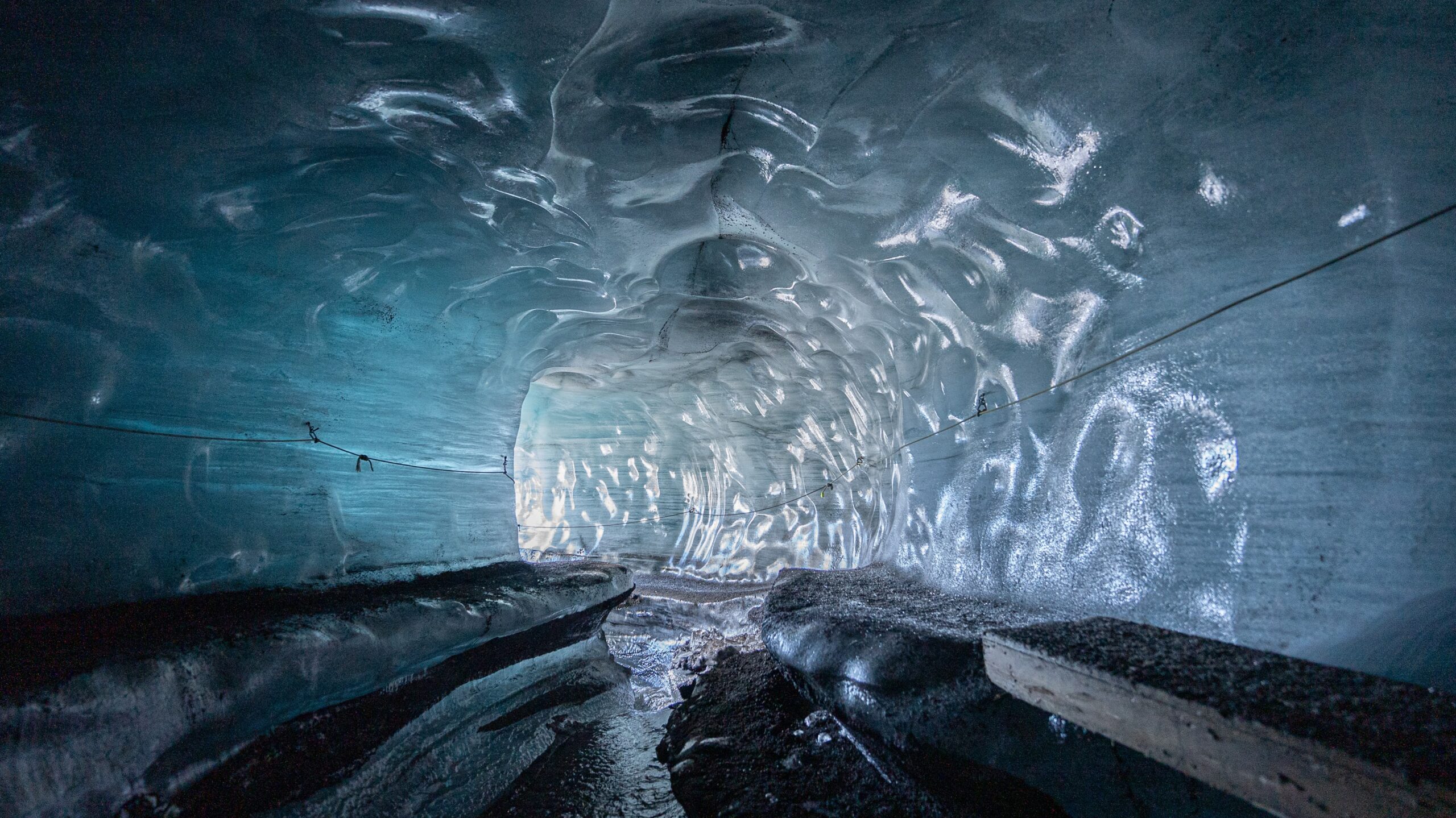
Winter in Iceland is not only about challenging weather, it’s also the season when some of the country’s most extraordinary activities are possible. The landscapes become a natural playground made of ice, snow and volcanic formations. One of the most iconic winter experiences is visiting the Katla Ice Cave, a unique glacier cave formed inside the Kötlujökull outlet glacier, which sits above one of Iceland’s most active volcanoes. Unlike seasonal blue ice caves that only open part of the year, the Katla Ice Cave can often be visited most of the year, but winter is when it becomes truly magical, with deep blue ice walls, frozen textures and dramatic contrasts shaped by centuries of volcanic ash.
Beyond ice caves, winter offers countless other adventures:
- Glacier hiking becomes especially beautiful when snow covers the mountains and crevasses, turning the glaciers into smooth white landscapes.
- For photographers, winter brings soft Arctic light, snowy mountains and the long nights needed to chase the Northern Lights.
- nowmobiling on Langjökull or Mýrdalsjökull provides an adrenaline-filled journey across vast frozen fields
- Visiting hot springs, like Blue Lagoon or natural geothermal pools, feel even more luxurious in the frosty air.
- Towns and villages become cozy hideaways where you can enjoy Icelandic traditions, seasonal food and the warmth of local hospitality.
Winter in Iceland is much more than a season; it’s a chance to discover the country at its most authentic and adventurous.
Iceland Weather in December: What Makes It Unique?
December is one of the most searched months for weather in Iceland. Travelers want to know what to expect during Christmas or New Year’s.
Here’s what makes December special:
- It’s the darkest month, with very short days.
- Temperatures hover around -3°C to +3°C.
- Snow is common around the country.
- Roads can be icy, but landscapes are often covered in snow.
- Northern Lights activity is strong thanks to long nights.
December feels like stepping into a winter fairy tale, but also into a month where weather can be highly unpredictable.
Weather by Region: South, North, West and East
- South Iceland (Reykjavík to Vík). Milder but wetter. Expect rain mixed with snow, strong winds and changing conditions. Roads may close temporarily.
- North Iceland (Akureyri, Mývatn). Colder, more stable winter weather, more snow, and clearer skies for Northern Lights.
- East Iceland. Snowy and calm, but mountain passes can close frequently.
- West Iceland & Snæfellsnes. Windy and variable, with beautiful winter landscapes and occasional road closures.
How Locals Experience Winter
Icelanders don’t fear winter, we adapt to it. Schools remain open, people go to work as usual and daily life continues despite storms or short days. The secret? Respecting the weather and planning around it.
What we always do as locals:
- Check the forecast every day.
- Drive cautiously.
- Dress properly.
- Avoid unnecessary travel during storms.
Travelers who follow the same habits usually enjoy a safe and unforgettable winter experience.
Final Tips for Your Winter Trip to Iceland
To enjoy Iceland in winter safely and comfortably:
- Check Road.is, Vedur.is and Safetravel.is daily.
- Build flexibility into your itinerary.
- Avoid long driving days.
- Dress warmly and waterproof.
- Consider guided tours for difficult routes.
- Respect weather alerts — they exist for your safety.
With the right mindset, winter in Iceland becomes a beautiful experience full of unique moments and dramatic scenery.
Winter in Iceland requires preparation, but it rewards travelers with some of the most unique experiences the country offers. With the right clothing, awareness of weather conditions and safe driving habits, you can enjoy a season filled with snow-covered landscapes, Northern Lights and incredible adventures like the Katla Ice Cave. It’s a time when Iceland feels wilder, quieter and deeply authentic. Visit with respect for nature — and winter will show you its most magical side.
More from our blog